

The Operation Process and Working Principle of Beer Spoilage Gas-Solid Pneumatic Conveying
Gas-solid pneumatic conveying is a critical technology in the food and beverage industry, particularly for handling beer spoilage, which is a byproduct of the brewing process. This method efficiently transports solid materials like beer spoilage through a pipeline using compressed air. Understanding the operation process and working principle of this system is essential for optimizing its performance and ensuring reliable material handling in breweries.
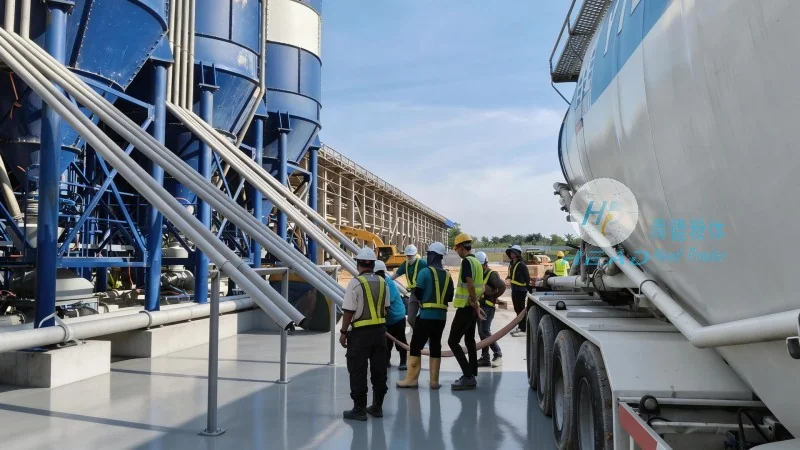
Introduction to Beer Spoilage and Pneumatic Conveying
Beer spoilage, also known as spent grain or brewery waste, consists of solid residues from the fermentation and filtration stages. Traditional methods of transporting this material are often labor-intensive and inefficient, leading to increased operational costs and environmental concerns. Gas-solid pneumatic conveying offers a solution by utilizing air pressure to move the material through a sealed pipeline, reducing the need for manual handling and minimizing contamination risks.
Working Principle of Gas-Solid Pneumatic Conveying
The core principle of pneumatic conveying is the creation of a flow of air within a pipeline that transports solid particles. This process can be categorized into two main types: dilute-phase and dense-phase conveying. Dilute-phase systems use high air velocities to suspend particles, while dense-phase systems use lower velocities and higher air pressure to push particles forward in a more compact form. For beer spoilage, a dilute-phase system is often preferred due to the relatively low density of the material and the need for efficient transport over long distances.
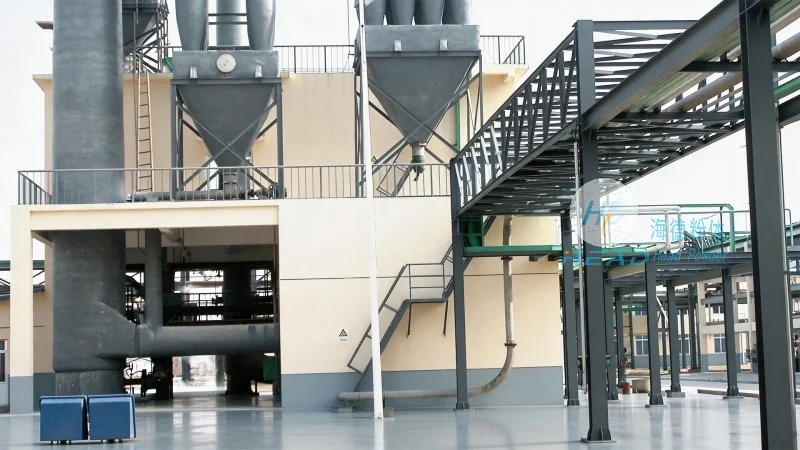
Key Components of the Pneumatic Conveying System
The operation of a beer spoilage pneumatic conveying system involves several key components, each playing a crucial role in the overall process. These components include the air compressor, which generates the necessary pressure; the hopper or feed hopper, where the beer spoilage is stored and fed into the system; the conveyor line, which is the main pipeline transporting the material; the control valves, which regulate the flow of air and material; and the receiver or discharge hopper, where the material is collected at the end of the line.
Operation Process of Beer Spoilage Gas-Solid Pneumatic Conveying
The operation process begins with the loading of beer spoilage into the feed hopper. The hopper is equipped with a feeder, such as a rotary valve or screw feeder, which controls the rate at which the material is released into the conveyor line. Simultaneously, the air compressor starts, generating compressed air that is introduced into the pipeline. The compressed air creates a flow that lifts and transports the solid particles through the pipeline. As the material moves, it is mixed with the air, forming a suspension that travels to the discharge hopper. The control valves adjust the air pressure and flow rate to maintain a consistent conveying rate, ensuring that the material reaches the destination without clogging or loss of efficiency.
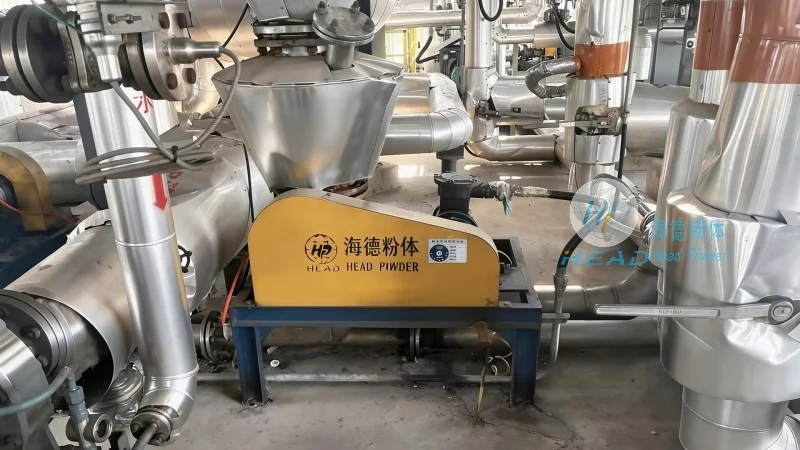
Advantages of Using Gas-Solid Pneumatic Conveying for Beer Spoilage
Implementing a pneumatic conveying system for beer spoilage offers several advantages over traditional methods. Firstly, it significantly reduces labor costs by automating the material handling process. Secondly, it minimizes the risk of contamination, as the system operates in a sealed environment, preventing exposure to external elements. Thirdly, it improves operational efficiency by allowing for continuous and consistent transport of large volumes of material. Additionally, the system can be easily integrated into existing brewery infrastructure, making it a cost-effective solution for upgrading material handling capabilities.
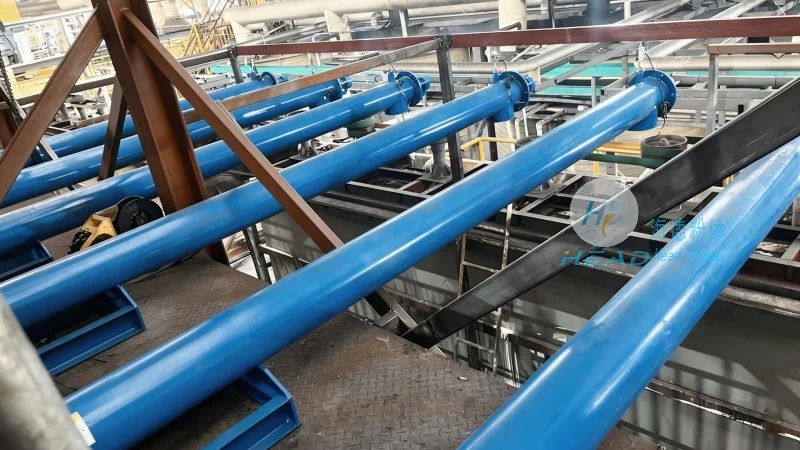
Applications and Industries
Beer spoilage pneumatic conveying systems are widely used in the brewing industry, particularly in large-scale breweries that produce significant volumes of beer. The technology is also applicable in other industries that handle solid waste or byproducts, such as the dairy and food processing sectors. The versatility of the system allows it to be adapted to various material types and conveying distances, making it a reliable choice for different industrial applications.
Conclusion
Gas-solid pneumatic conveying is an efficient and effective method for transporting beer spoilage, offering numerous benefits over traditional material handling techniques. By understanding the working principle and operation process of this system, breweries can optimize their operations, reduce costs, and improve overall productivity. The technology, provided by companies like Shandong HeadPowder Engineering Co., Ltd., is a key component in modern brewing processes, ensuring that beer spoilage is handled safely and efficiently.