

Operation Process and Working Principle of Ceramic Pneumatic Conveying
At Shandong HeadPowder Engineering Co., Ltd., we specialize in the design, manufacturing, and implementation of advanced ceramic pneumatic conveying systems. Our expertise lies in providing efficient and reliable solutions for the transportation of ceramic powders and granules, ensuring optimal performance and minimal material loss throughout the process.
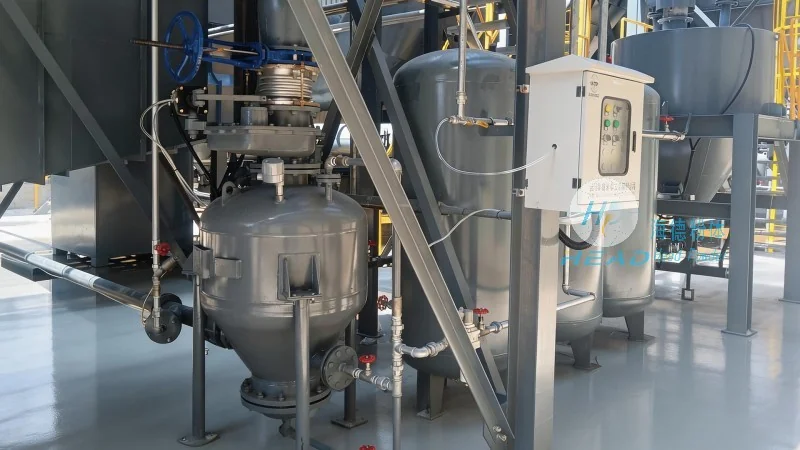
Understanding Ceramic Pneumatic Conveying: Core Principles
Ceramic pneumatic conveying is a method that uses compressed air to transport dry, free-flowing materials like ceramic powders and particles through a pipeline. The fundamental principle involves creating a flow of air that entrains the material, moving it from the source to the destination. This process is governed by several key factors, including air velocity, material properties, and system design. The goal is to achieve a stable, continuous flow without causing material degradation or system blockages.
The Operational Process of Ceramic Pneumatic Conveying
The operation of a ceramic pneumatic conveying system typically involves several sequential steps. First, the ceramic material is loaded into a hopper or feeder, where it is then fed into the conveying line. Simultaneously, compressed air is introduced into the system, creating a pressure differential that drives the material forward. The air velocity is carefully controlled to ensure that the material is fully entrained without excessive turbulence or particle breakage. As the material travels through the pipeline, it may encounter various components such as bends, filters, or cyclones, which help maintain flow stability and separate any air from the material stream.
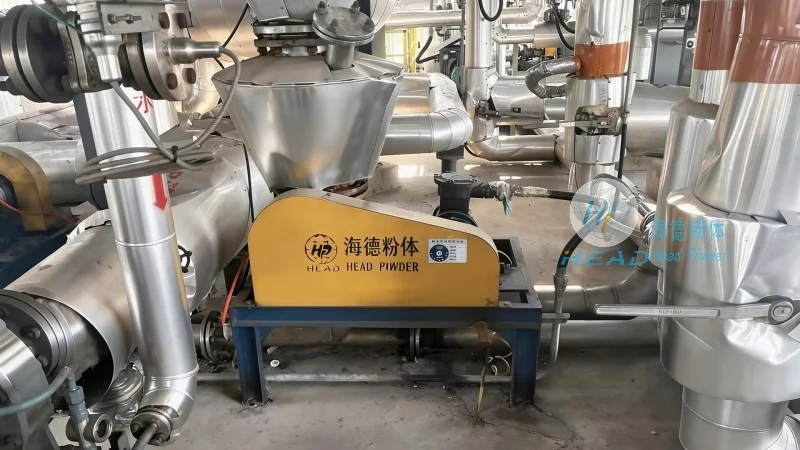
Key Components and Their Functions in Ceramic Pneumatic Conveying
Several critical components are integral to the efficient operation of ceramic pneumatic conveying systems. The feed system is responsible for introducing the ceramic material into the pipeline at a controlled rate. This component often includes hoppers, feeders, and valves to regulate material flow. The conveying line itself is typically made of materials resistant to the abrasive nature of ceramic powders, such as stainless steel or specialized plastics. The air supply system provides the necessary compressed air, with controls to adjust pressure and flow as needed. Additionally, separation and collection devices like cyclones or filters are used to separate the material from the air stream, ensuring that the material is deposited at the desired location without loss or contamination.
Advantages of Ceramic Pneumatic Conveying Systems
Implementing ceramic pneumatic conveying offers numerous advantages for industrial applications. One of the primary benefits is the ability to transport materials over long distances without the need for mechanical components like belts or screws, which can be prone to wear and maintenance. This reduces operational costs and increases system reliability. Additionally, the process is highly flexible, allowing for changes in material type or flow rate with minimal adjustments. The enclosed system also minimizes dust exposure, enhancing workplace safety and environmental compliance. Furthermore, ceramic pneumatic conveying can handle a wide range of particle sizes and densities, making it suitable for various ceramic products, from fine powders to larger granules.
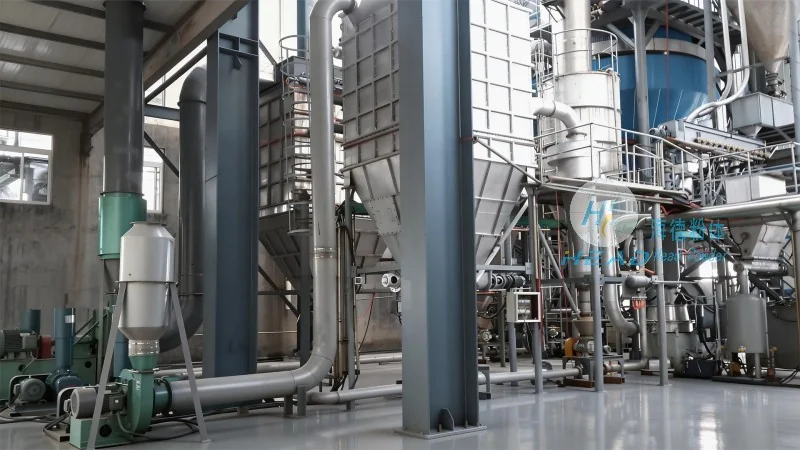
Applications and Industries Served by Ceramic Pneumatic Conveying
Ceramic pneumatic conveying systems are widely used across multiple industries that rely on the handling of ceramic materials. In the ceramic manufacturing sector, these systems are essential for transporting raw materials like clay, feldspar, and silica to production lines. They are also used in the ceramic processing industry to move finished products, such as tiles or sanitaryware, from production facilities to storage or packaging areas. The automotive and aerospace industries benefit from ceramic pneumatic conveying for transporting ceramic powders used in composite materials or thermal insulation. Additionally, in the chemical and pharmaceutical sectors, these systems are employed to handle ceramic-based catalysts or fillers, ensuring precise and contamination-free material transport.
Ensuring Efficiency and Reliability in Ceramic Pneumatic Conveying
At Shandong HeadPowder Engineering Co., Ltd., we prioritize efficiency and reliability in our ceramic pneumatic conveying solutions. Our engineers work closely with clients to design systems that meet specific operational requirements, considering factors such as material characteristics, distance of transport, and environmental constraints. Regular maintenance and monitoring are crucial to maintaining system performance. By utilizing high-quality components and adhering to industry best practices, we ensure that our clients achieve optimal material flow, minimal downtime, and consistent product quality. Our commitment to innovation and customer service has made us a trusted partner in the ceramic processing industry.