

Operation Process and Working Principle of Automatic Tonne Bag Feeding Pneumatic Conveying
HeadPowder, a leading provider of industrial material handling solutions, specializes in advanced pneumatic conveying technologies. The automatic tonne bag feeding system is a critical component in modern bulk material processing, designed to efficiently transfer bulk materials from sealed tonne bags into processing equipment. This system integrates automation and precision, ensuring reliable and consistent material handling for various industrial applications. The system is engineered to handle a wide range of materials, including powders, granules, and bulk solids, with minimal human intervention, making it an ideal solution for industries that require high throughput and consistent quality.
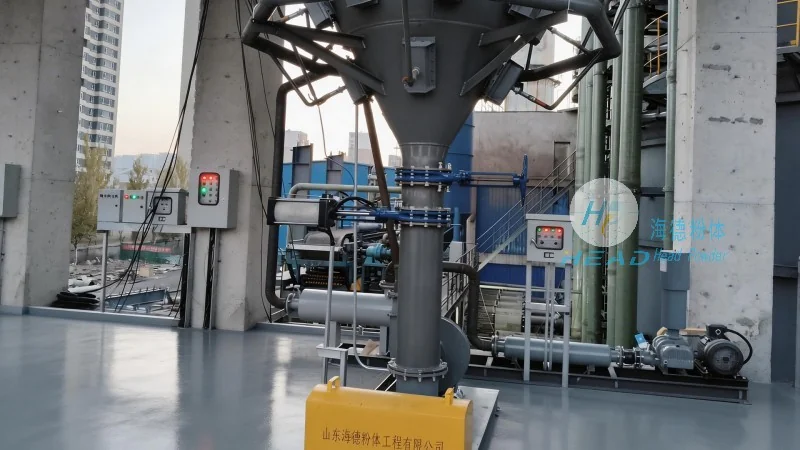
Key Components of the Automatic Tonne Bag Feeding System
The system consists of several key components that work in tandem to achieve seamless material transfer. These include a bag opening mechanism, a hopper or feeder, a pneumatic conveying line, and a control system. The bag opening mechanism is responsible for safely and efficiently opening the tonne bag, while the feeder ensures a controlled flow of material into the conveying line. The pneumatic conveying line uses air pressure to transport the material from the feeder to the processing equipment, such as a mixer, dryer, or storage silo. The control system monitors and regulates the entire process, ensuring optimal performance and safety. Each component is designed to work together seamlessly, minimizing downtime and maximizing efficiency.
Operation Process of the Automatic Tonne Bag Feeding System
The operation process of the automatic tonne bag feeding system typically involves the following steps: 1. Bag Placement: The tonne bag is placed on the bag opening platform, ensuring proper alignment and stability. The system may include sensors to detect the bag's position and confirm its readiness for processing. 2. Bag Opening: The system automatically opens the bag, using a mechanical or pneumatic mechanism to cut or tear the bag open. This step is designed to be safe and efficient, minimizing material loss and ensuring that the bag is fully emptied. 3. Material Transfer: The material from the bag is fed into the hopper or feeder, which then transfers it to the pneumatic conveying line. The feeder may include a rotary valve or screw feeder to regulate the flow rate, ensuring a consistent supply of material to the conveying line. 4. Conveying: The material is transported through the conveying line using air pressure, reaching the processing equipment. The air pressure is controlled by the system to maintain a consistent flow rate, preventing material buildup or blockages. 5. Bag Disposal: After the material is transferred, the empty bag is removed and disposed of. The system may include a bag handling mechanism to collect and dispose of the empty bags, ensuring a clean and organized workspace. The entire process is automated, reducing manual labor and increasing efficiency by up to 50% compared to traditional manual feeding methods.
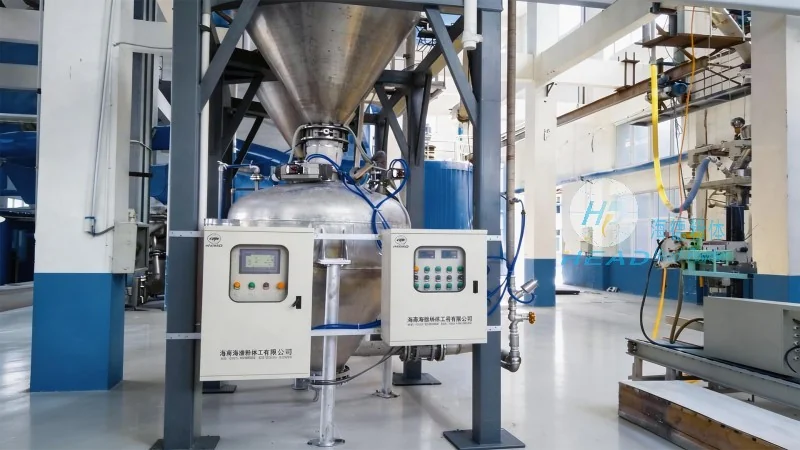
Working Principle of the Pneumatic Conveying System
The working principle of the automatic tonne bag feeding system is based on the principles of pneumatic conveying, which uses air to transport bulk materials. The system operates by creating a pressure differential between the feeder and the receiving equipment. Air is drawn from the feeder into the conveying line, creating a negative pressure that pulls the material from the bag into the line. The material is then carried by the air stream to the processing equipment. The control system adjusts the air pressure and flow rate to maintain a consistent material flow, ensuring that the system operates efficiently and safely. The system may use positive or negative pressure, depending on the application and material properties. Positive pressure systems are typically used for long-distance conveying, while negative pressure systems are used for short-distance or low-volume applications. The choice of pressure system depends on factors such as material characteristics, distance, and system cost.
Advantages of the Automatic Tonne Bag Feeding System
The automatic tonne bag feeding system offers several advantages over traditional manual feeding methods. These include: 1. Increased Efficiency: The system automates the entire process, reducing the time and labor required for material transfer. This leads to higher production rates and lower operational costs. 2. Improved Safety: The system eliminates the need for manual handling of heavy tonne bags, reducing the risk of injury from lifting or moving heavy loads. This is particularly important in industries where workers are exposed to hazardous materials. 3. Consistent Material Flow: The system ensures a controlled and consistent flow of material, improving the quality of the final product. Consistent material flow helps maintain product uniformity and reduces the risk of contamination or quality variations. 4. Reduced Downtime: The system is designed to operate continuously, minimizing downtime and maximizing production output. The automated process reduces the need for manual intervention, which can cause delays or errors. 5. Easy Integration: The system can be easily integrated with existing processing equipment, making it a versatile solution for various industrial applications. The system is compatible with a wide range of equipment, including mixers, dryers, and storage silos, allowing for seamless integration into existing production lines.
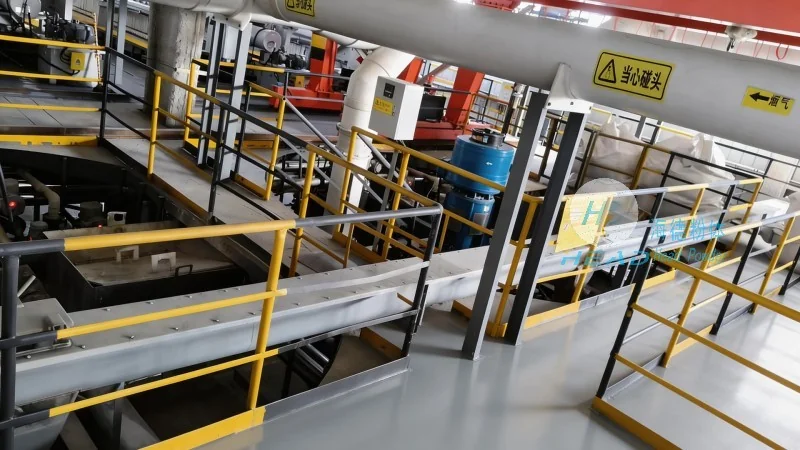
Applications and Industries
The automatic tonne bag feeding system is widely used in various industries, including food processing, pharmaceuticals, chemicals, and minerals. It is particularly suitable for handling materials that are difficult to handle manually, such as powders, granules, and bulk solids. The system is also used in applications where hygiene and cleanliness are critical, such as in the food and pharmaceutical industries. In the food industry, the system is used to handle ingredients like flour, sugar, and spices, ensuring that the ingredients are transferred without contamination. In the pharmaceutical industry, the system is used to handle active pharmaceutical ingredients (APIs) and excipients, ensuring that the materials are handled in a sterile and controlled environment. In the chemical industry, the system is used to handle chemicals and reagents, ensuring that the materials are transferred safely and efficiently. The system is also used in the minerals industry to handle raw materials like coal, ore, and sand, ensuring that the materials are transferred to processing equipment without loss or contamination.
Conclusion
In conclusion, the automatic tonne bag feeding system is a highly efficient and reliable solution for bulk material handling. It combines automation and precision to ensure consistent and safe material transfer. HeadPowder, with its expertise in industrial material handling, provides high-quality systems that meet the needs of various industries. The system is designed to improve productivity, reduce costs, and enhance safety, making it an essential component in modern industrial operations. As industries continue to demand higher efficiency and quality, the automatic tonne bag feeding system will remain a critical technology for bulk material handling. HeadPowder remains committed to providing innovative solutions that meet the evolving needs of the industrial sector, ensuring that its customers can achieve their production goals with minimal effort and maximum efficiency.