

Operation Process and Working Principle of Pneumatic Conveying for Edible Salt
Edible salt, a fundamental ingredient in culinary and industrial applications, often requires efficient and reliable transportation methods to ensure quality and safety. Pneumatic conveying systems have emerged as a preferred solution for handling edible salt, offering advantages such as hygienic operation, reduced contamination risk, and flexible system design. This article explores the operation process and working principles of pneumatic conveying for edible salt, highlighting the key components, operational steps, and benefits of this technology.
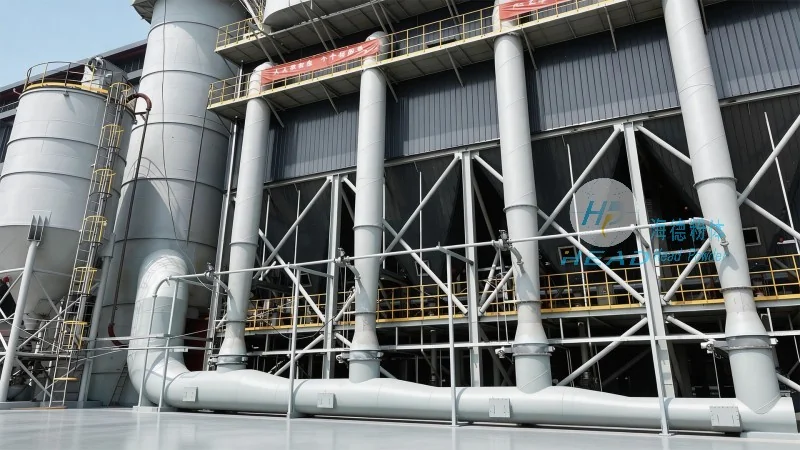
Introduction to Pneumatic Conveying Systems for Edible Salt
Pneumatic conveying, also known as air conveying, is a method of transporting bulk materials like edible salt using a stream of pressurized or vacuum air. Unlike traditional mechanical conveyors, pneumatic systems eliminate the need for direct contact between the material and the conveyor components, minimizing the risk of contamination and ensuring compliance with food safety regulations. The technology is widely adopted in the food processing industry due to its ability to handle sensitive materials while maintaining high efficiency.
Key Components of a Pneumatic Conveying System for Edible Salt
A typical pneumatic conveying system for edible salt consists of several critical components that work in tandem to ensure smooth operation. These include:
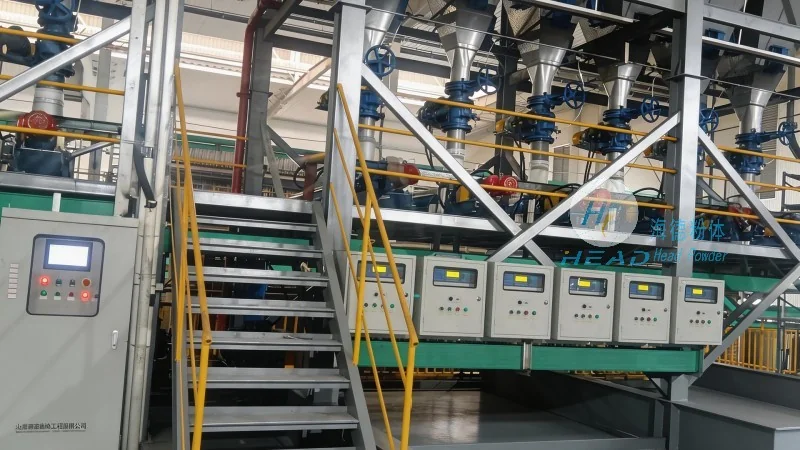
- Feeder: The feeder is responsible for introducing the edible salt into the system at a controlled rate. It ensures a consistent flow of material into the conveying line, preventing blockages and maintaining system efficiency.
- Conveying Line: The conveying line, often made of stainless steel or other food-grade materials, transports the salt using air pressure. The design of the line, including bends and elbows, is optimized to minimize pressure loss and maintain the integrity of the salt particles.
- Filter and Dust Collector: To maintain hygiene and prevent dust emissions, a filter and dust collector are integrated into the system. These components capture any fine particles or dust generated during the conveying process, ensuring that the air discharged is clean and the environment remains safe.
- Control System: The control system monitors and regulates the operation of the entire pneumatic conveying system. It adjusts air pressure, flow rates, and other parameters to optimize performance and prevent system failures.
The Operation Process of Pneumatic Conveying for Edible Salt
The operation of a pneumatic conveying system for edible salt involves several sequential steps that ensure the material is transported safely and efficiently from the source to the destination. The process typically begins with the feeding of the salt into the system:
- Material Feeding: The edible salt is fed into the system via the feeder. The feeder ensures a uniform flow of material, preventing overloading or underloading of the conveying line.
- Air Intake and Compression: Compressed air is introduced into the conveying line, creating a pressure differential that propels the salt particles forward. The air flow is carefully controlled to maintain the appropriate velocity for the salt particles, ensuring they remain suspended and transported without degradation.
- Transportation: As the air flows through the conveying line, the edible salt particles are carried along with the air stream. The system’s design, including the use of appropriate pipe diameters and bends, minimizes friction and pressure loss, allowing the salt to be transported over long distances with minimal energy consumption.
- Discharge and Separation: At the receiving end of the system, the salt is discharged into a storage or processing unit. The air, now containing fine particles, passes through a filter and dust collector, where the salt particles are separated from the air and collected for reuse or disposal.
Working Principles of Pneumatic Conveying for Edible Salt
The working principles of pneumatic conveying for edible salt are based on the interaction between the material particles and the air stream. Two primary modes of operation are commonly used: pressure and vacuum systems.
Pressure Pneumatic Conveying: In this mode, compressed air is used to push the edible salt through the conveying line. The system operates at a higher pressure than the ambient air, and the air is introduced at the inlet of the line. This method is suitable for short to medium-distance transportation and is effective for handling dry, free-flowing materials like edible salt.
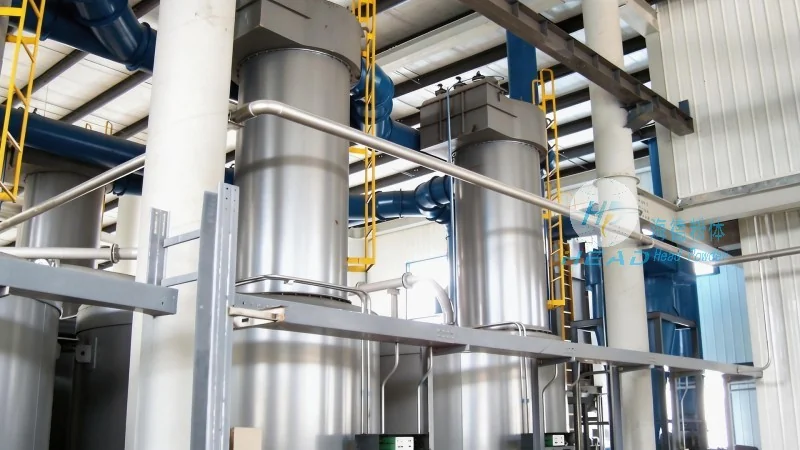
Vacuum Pneumatic Conveying: This mode uses a vacuum to draw the edible salt into the system. The vacuum is created by a fan or vacuum pump at the receiving end, and the air is drawn through the conveying line, pulling the salt particles along with it. Vacuum systems are ideal for long-distance transportation and for handling materials that are difficult to push, such as those with high moisture content or cohesive properties.
Benefits of Pneumatic Conveying for Edible Salt Handling
Pneumatic conveying systems offer several advantages when used for edible salt transportation, making them a preferred choice in the food industry:
- Hygienic and Clean Operation: The absence of direct contact between the salt and mechanical components reduces the risk of contamination, ensuring that the product remains safe for consumption.
- Reduced Risk of Product Degradation: Pneumatic systems operate at lower temperatures and avoid the mechanical stress associated with traditional conveyors, minimizing the risk of product degradation or damage.
- Flexible and Scalable Design: Pneumatic conveying systems can be easily customized to accommodate varying production volumes and distances. They can be expanded or modified to meet changing operational needs without significant downtime.
- Energy Efficiency: Modern pneumatic systems are designed to optimize energy use, reducing operational costs while maintaining high performance.
Applications of Pneumatic Conveying in Edible Salt Processing
Pneumatic conveying is widely used in various stages of edible salt processing, from raw material handling to final product packaging. Some common applications include:
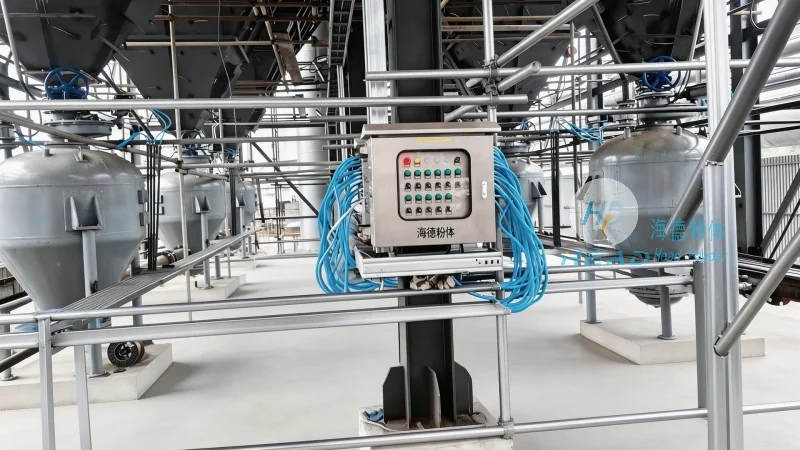
- Raw Material Transport: Transporting raw salt from storage silos or bulk containers to processing facilities.
- In-Plant Material Transfer: Moving salt between different processing units, such as from grinding to packaging.
- Packaging Line Integration: Conveying salt to packaging machines, ensuring a continuous and efficient supply of product.
- Waste and Byproduct Handling: Transporting waste or byproducts from processing operations to disposal or recycling facilities.
Conclusion and Company Overview
Pneumatic conveying has become an essential technology for the efficient and safe transportation of edible salt. The operation process, which involves controlled feeding, air compression, transportation, and discharge, ensures that the product remains intact and free from contamination. The working principles, based on pressure or vacuum systems, provide flexibility and adaptability to different operational requirements.
Shandong HeadPowder Engineering Co., Ltd., a leading provider of pneumatic conveying solutions, specializes in designing and manufacturing systems tailored to the unique needs of the edible salt industry. With a focus on hygiene, efficiency, and compliance with food safety standards, HeadPowder offers customized solutions that enhance the performance and reliability of edible salt handling processes. HeadPowder’s expertise in pneumatic technology ensures that clients can achieve optimal results while maintaining the highest standards of product quality and safety.