

The Operation Process and Working Principle of Carbon Additive Powder Pneumatic Conveying Machine
Carbon additive powder pneumatic conveying machines are essential equipment in industrial processes, particularly in the manufacturing of steel and other metal products. These systems efficiently transport carbon additive powders from storage to processing units, ensuring consistent material flow and minimal loss. The operation of such machines involves a series of steps that work in tandem to achieve reliable and efficient material handling.
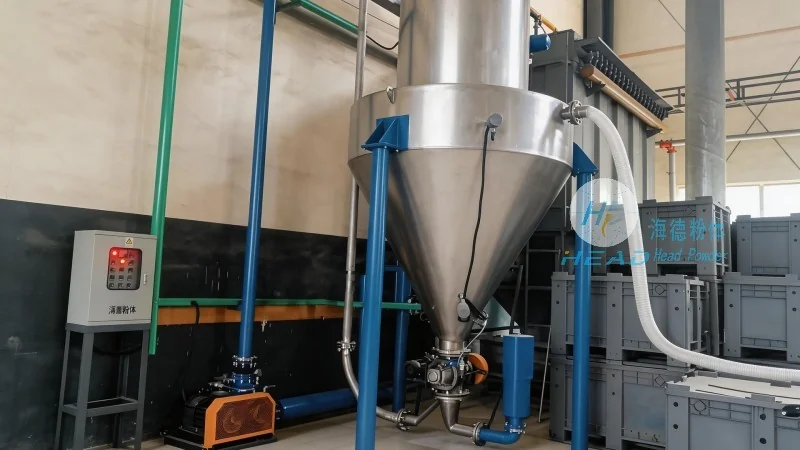
Working Principle of Pneumatic Conveying Machines
The core principle of pneumatic conveying is the use of air or gas to transport bulk materials through a pipeline system. In the case of carbon additive powder systems, the process begins with the feeding of the powder into a hopper or feeder. From there, the powder is introduced into a pipeline where it is mixed with a high-velocity air stream. This air-powder mixture travels through the pipeline to the destination point, such as a furnace or processing unit. The system typically includes components like a blower, filter, and control valves to regulate the flow and ensure proper operation.
Key Components and Their Functions
Several critical components make up a carbon additive powder pneumatic conveying machine. The hopper or feeder is responsible for storing and feeding the powder into the system. The blower or air compressor provides the necessary pressure and air volume to move the powder through the pipeline. The pipeline itself is designed to handle the air-powder mixture, often with bends and elbows that are optimized to minimize pressure loss. A filter system is crucial for capturing any fine particles and preventing them from escaping into the environment. Additionally, control valves and sensors are used to monitor and adjust the flow rate, ensuring stable operation.
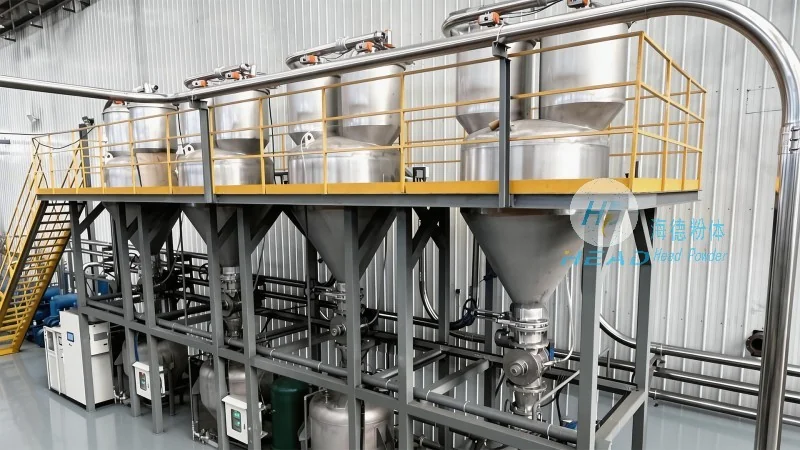
The Operation Process Step-by-Step
The operation of a carbon additive powder pneumatic conveying machine can be broken down into several key steps. First, the carbon additive powder is loaded into the hopper. The feeder then meters the powder at a controlled rate into the pipeline. The blower then starts, creating a high-velocity air stream that mixes with the powder. The mixture travels through the pipeline to the discharge point, where it is collected in a receiving hopper or directly into the processing equipment. The system may also include a venting or cleaning cycle to clear any residual powder from the pipeline and ensure it is ready for the next batch.
Advantages of Using Pneumatic Conveying for Carbon Additives
There are several advantages to using pneumatic conveying systems for carbon additive powders. One of the primary benefits is the ability to transport materials over long distances without the need for mechanical conveyors, which can be costly and space-consuming. Pneumatic systems also provide a dust-free environment, reducing health hazards and improving workplace safety. Additionally, these systems can handle a wide range of powder characteristics, including fine powders that are difficult to transport with other methods. The flexibility of pneumatic conveying allows for easy integration into existing production lines and can be adjusted to meet varying production demands.
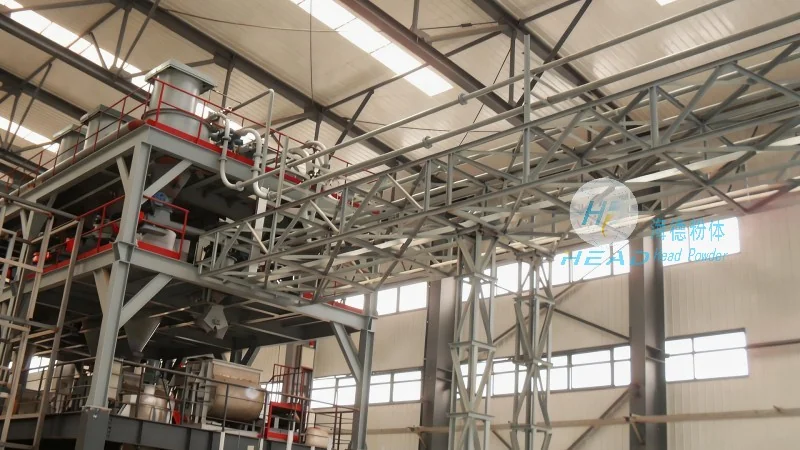
Applications in Industrial Settings
Carbon additive powder pneumatic conveying machines are widely used in various industrial applications. In the steel industry, these systems are crucial for transporting carbon additives to blast furnaces and other processing units. They are also used in the production of other metal alloys, where consistent carbon content is essential for quality control. Additionally, these machines are employed in the chemical and pharmaceutical industries for handling fine powders that require precise and controlled transport. The reliability and efficiency of pneumatic conveying make it an ideal choice for industries that demand high-quality material handling solutions.
Maintenance and Operational Considerations
Proper maintenance is essential to ensure the long-term performance and reliability of carbon additive powder pneumatic conveying machines. Regular cleaning of the hopper, feeder, and pipeline is necessary to prevent clogging and ensure smooth operation. The blower and air compressor should be checked regularly for wear and tear, and the filter system should be replaced as needed to maintain air quality. Additionally, monitoring the pressure and flow rates can help identify any issues early, preventing costly downtime. Proper training for operators is also important to ensure safe and efficient operation of the system.