

Operation Process and Working Principle of Calcined Gypsum Pneumatic Conveying System Equipment
Shandong HeadPowder Engineering Co., Ltd., based in Shandong, China, specializes in the design, manufacturing, and installation of advanced pneumatic conveying systems for calcined gypsum. This article provides a detailed overview of the operation process and working principles of such systems, highlighting key components and their functions to ensure efficient material handling in industrial applications.
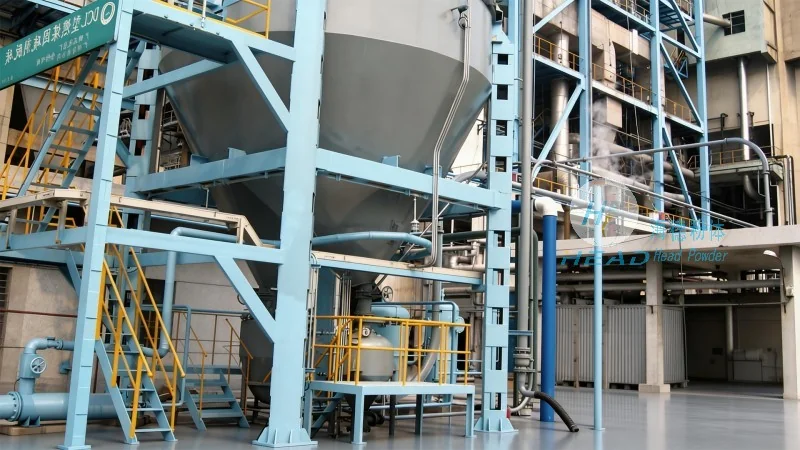
System Overview and Key Components
The calcined gypsum pneumatic conveying system is a sophisticated piece of equipment designed to transport calcined gypsum powder from a storage silo or hopper to processing units or packaging areas. The system typically consists of several critical components, including a feed hopper, a rotary valve, a pneumatic conveyor (either positive or negative pressure), a filter system, and a dust collection unit. Each component plays a vital role in the overall operation, ensuring smooth and reliable material transport.
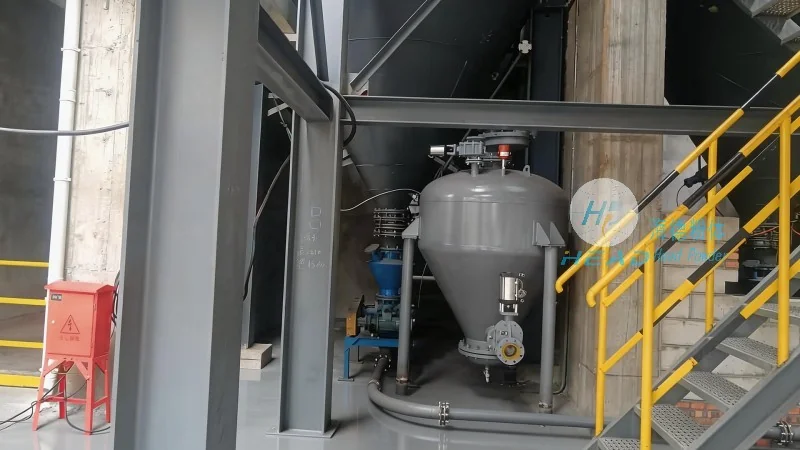
Working Principle of Pneumatic Conveying
The core of the calcined gypsum pneumatic conveying system is the pneumatic conveying mechanism, which uses air to move the powder. In positive pressure systems, compressed air is introduced into the conveying line, creating a pressure higher than the ambient air, which propels the gypsum particles forward. Negative pressure systems, on the other hand, create a vacuum that draws the material from the source. The choice between positive and negative pressure depends on factors such as the distance to be covered, the material properties, and the system layout. For calcined gypsum, which is a fine powder with low bulk density, positive pressure systems are often preferred due to their ability to handle longer distances and maintain consistent flow rates.
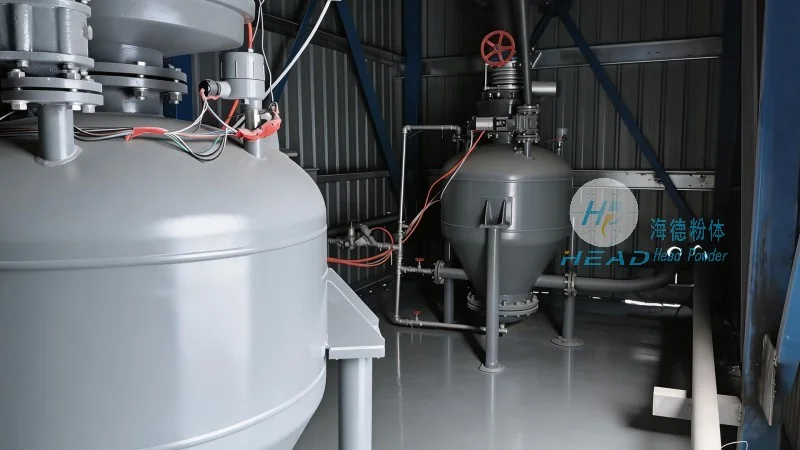
Operation Process: Step-by-Step
The operation of the calcined gypsum pneumatic conveying system follows a systematic process, starting from the initial loading of the feed hopper. Here is a detailed breakdown of the typical steps involved:
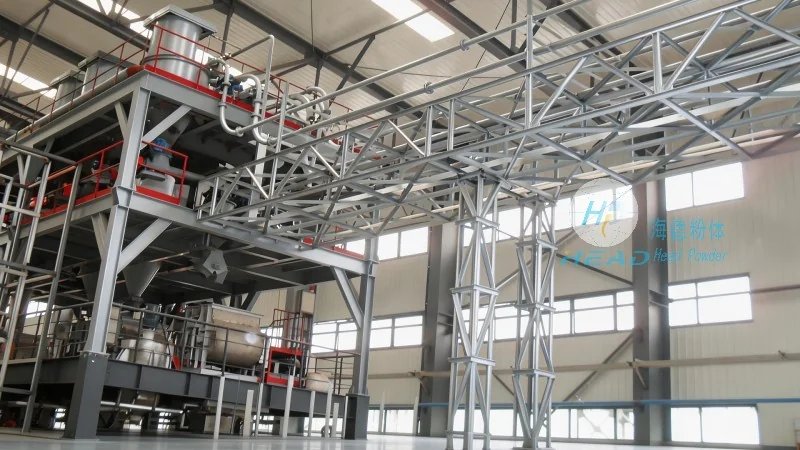
- Material Loading: Calcined gypsum is loaded into the feed hopper from a bulk storage silo or a truck. The hopper is equipped with a level indicator to monitor the material level, ensuring that the system operates at optimal capacity.
- Material Feeding: A rotary valve, positioned at the bottom of the hopper, controls the flow of gypsum into the pneumatic conveyor. The rotary valve regulates the quantity of material released, preventing overloading and maintaining a steady feed rate.
- Pneumatic Conveying: Compressed air is introduced into the conveyor line, creating a pressure differential that moves the gypsum particles. The air flow is controlled by a pressure regulator to ensure consistent velocity and prevent material degradation or blockages.
- Filter and Dust Collection: As the gypsum travels through the conveying line, it passes through a filter system that captures any fine particles or dust. The filtered air is then discharged to the atmosphere, while the collected dust is returned to the system or disposed of as per regulations.
- Discharge and Unloading: At the destination point, the gypsum is discharged into a receiving hopper or processing unit. The rotary valve at the discharge end controls the flow of material, ensuring that it is delivered to the next stage of the production process without spillage or loss.
Ensuring Efficiency and Reliability
Efficient operation of the calcined gypsum pneumatic conveying system requires proper maintenance and monitoring of key parameters. Regular checks on air pressure, flow rates, and filter performance are essential to prevent system downtime and maintain product quality. Additionally, the system is designed with features such as airlocks and check valves to prevent backflow and ensure smooth material transport. By adhering to these operational guidelines, industrial facilities can achieve high throughput and consistent performance in handling calcined gypsum.