

Operation Process and Working Principle of Lime Powder Conveying
Lime powder conveying systems are critical components in various industrial applications, particularly in sectors requiring the efficient transport of calcium oxide (lime) from storage to processing units. The process involves several key stages, each designed to ensure reliable, safe, and efficient material handling. This article provides a detailed overview of the operation process and working principles of lime powder conveying, highlighting the technical aspects and operational considerations essential for optimal performance. As a leading provider in the field, Shandong HeadPowder Engineering Co., Ltd. specializes in designing and manufacturing advanced conveying solutions tailored to meet the specific needs of industrial clients.
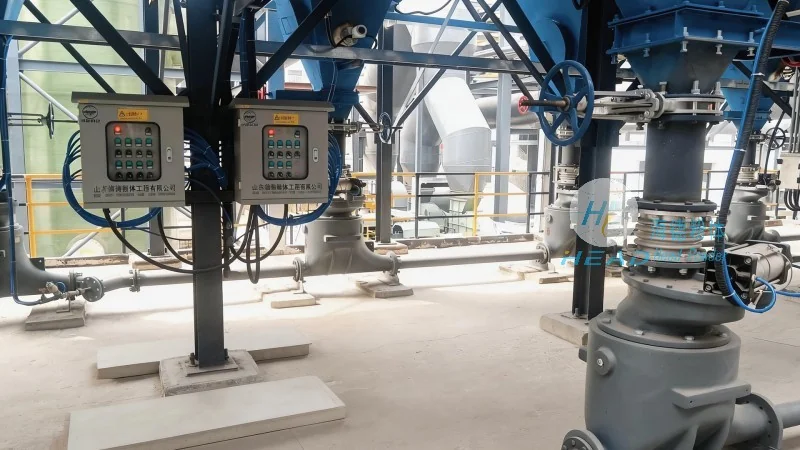
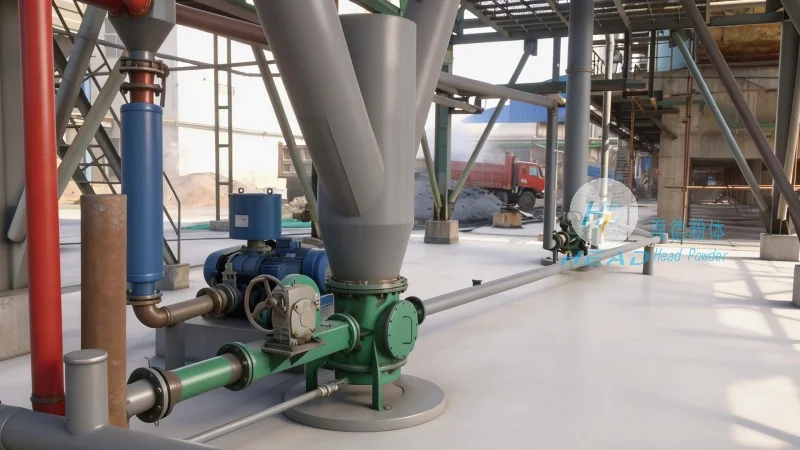
Key Components of Lime Powder Conveying Systems
The effectiveness of lime powder conveying relies on a combination of specialized equipment and components. At the core of these systems are storage silos or hoppers that hold the bulk lime powder. These are typically equipped with aeration systems to prevent caking and maintain material flowability. The primary conveying equipment includes pneumatic systems (using air or gas as the transport medium) and mechanical systems (such as screw conveyors or belt conveyors). Each component plays a vital role in the overall functionality of the system. The company, Shandong HeadPowder Engineering Co., Ltd., offers customized solutions that integrate these components to ensure seamless operation.
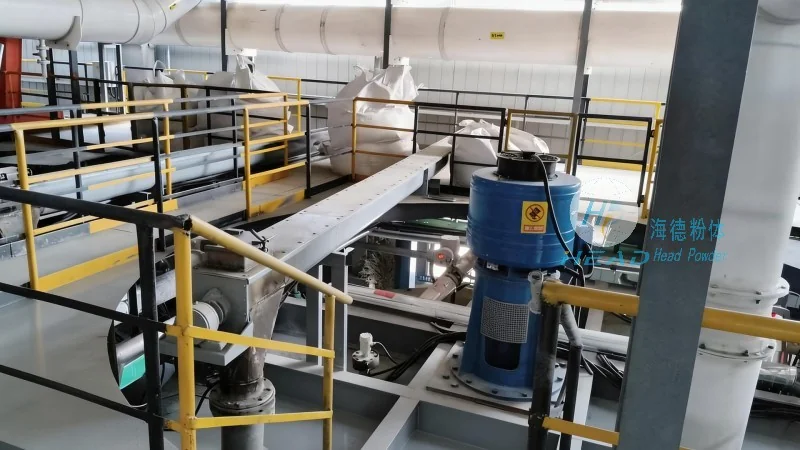
Working Principle of Pneumatic Conveying
Pneumatic conveying systems utilize compressed air or other gases to transport lime powder through a network of pipes. The process begins with the material being drawn from the storage silo into a hopper equipped with a rotary valve or feeder. The feeder then meters the powder into the conveying line, where it is entrained by the air flow. The air-lime mixture travels through the pipeline, reaching the destination point (e.g., a reactor or processing unit). At the discharge end, a cyclone separator or filter separates the powder from the air, allowing the lime to be deposited and the air to be recirculated or vented. This method is particularly suitable for handling fine powders and can achieve long-distance transport with minimal material degradation. The company’s expertise in pneumatic system design ensures efficient and reliable transport for clients.
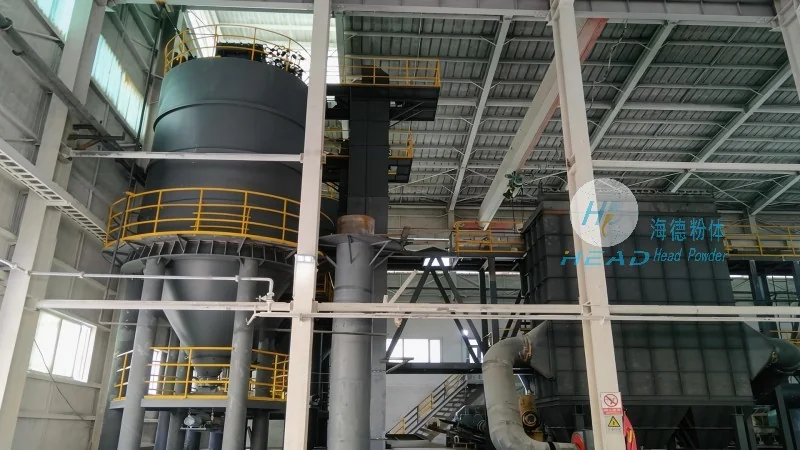
Working Principle of Mechanical Conveying
Mechanical conveying systems, such as screw or belt conveyors, rely on mechanical motion to move lime powder. In screw conveyors, a rotating screw (auger) inside a trough pushes the material forward. The trough is often equipped with a discharge valve at the end to control the flow. Belt conveyors use a continuous belt that moves over rollers, transporting the lime powder from the storage area to the processing site. These systems are generally more suitable for bulkier or coarser materials and require less maintenance compared to pneumatic systems. However, they are limited in terms of vertical lift and may not be as effective for fine powders prone to bridging or clogging. Shandong HeadPowder Engineering Co., Ltd. provides both pneumatic and mechanical solutions to accommodate diverse industrial requirements.