

Operation Process and Working Principle of White Powder Bulk Material Handling
White powder bulk material handling is a critical process in various industries, ensuring efficient and safe transportation of powders like white flour, pigments, or pharmaceutical powders. This article delves into the operation process and working principles of such systems, highlighting the key components and mechanisms involved. The importance of reliable bulk handling systems cannot be overstated, as they directly impact production efficiency, product quality, and workplace safety.
Key Components of White Powder Bulk Handling Systems
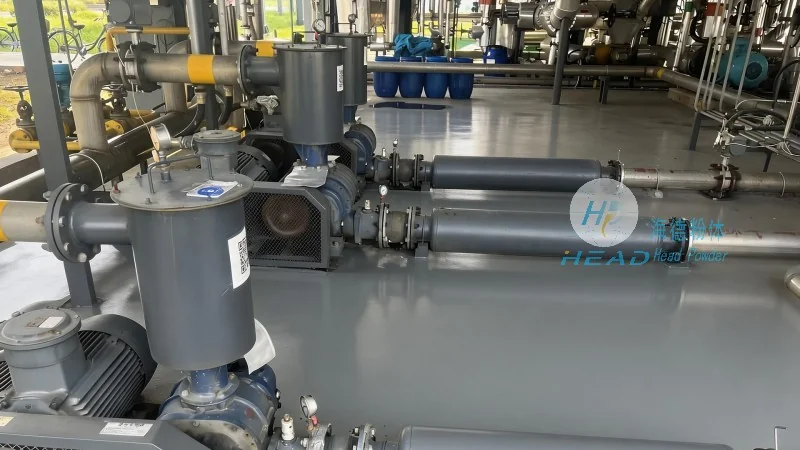
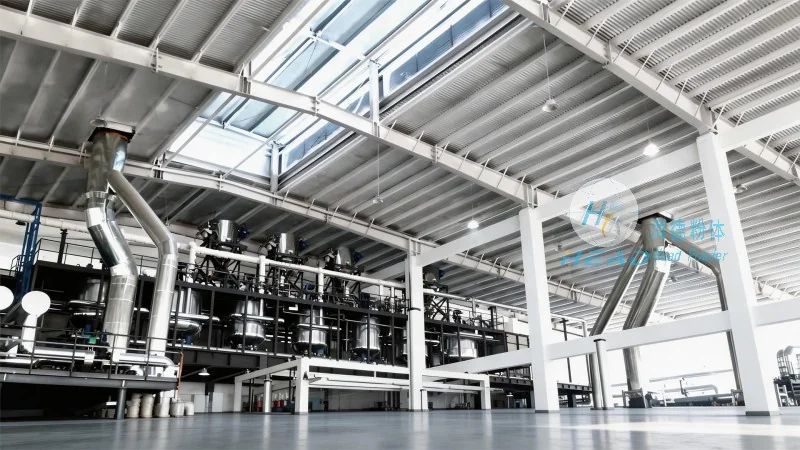
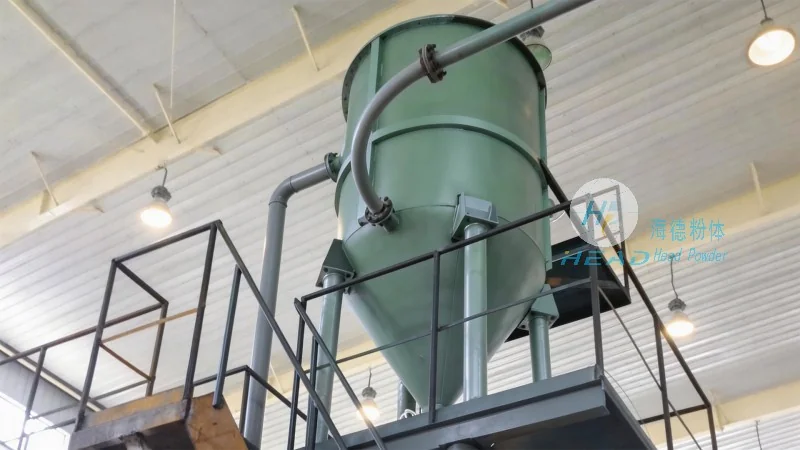
HeadPowder, a leading manufacturer based in Shandong, China, specializes in designing and implementing advanced bulk material handling solutions. The core components of a typical white powder handling system include hoppers, feeders, conveyors, and control systems. Hoppers are used to store and feed the powder, with common designs including conical, rectangular, or cylindrical shapes to accommodate different powder volumes and flow characteristics. Feeders regulate the discharge rate, ensuring a steady flow into the conveyor. Common types include screw feeders, vibratory feeders, and rotary valves, each chosen based on the powder's properties and required flow rate. Conveyors, such as screw conveyors or pneumatic systems, transport the powder from one location to another. Control systems monitor and adjust the operation based on real-time data, ensuring optimal efficiency and safety. These systems may include sensors for pressure, flow rate, and temperature, as well as alarms for abnormal conditions.
Operation Process of White Powder Handling
The operation process of white powder bulk material handling typically involves several stages. First, the powder is loaded into the hopper from a storage silo or container. The feeder then controls the discharge rate, ensuring a consistent flow into the conveyor. The conveyor transports the powder to the destination, such as a processing unit or storage area. Throughout the process, sensors and control systems monitor parameters like pressure, flow rate, and temperature to prevent blockages or overloading. HeadPowder's systems are designed to handle various white powders, adapting to different particle sizes and flow characteristics. For example, fine powders like talcum or pigment may require pneumatic systems to avoid dust accumulation, while coarse powders like flour may use mechanical screw conveyors. The control system adjusts the speed of the feeder or conveyor based on real-time feedback, maintaining a stable operation.
Working Principles of White Powder Handling Systems
The working principles of white powder bulk handling systems rely on mechanical and pneumatic forces. Mechanical systems use gravity and screw or belt mechanisms to move the powder. In a screw conveyor, a rotating screw blade pushes the powder forward, utilizing the friction between the screw and the material to transport it. The speed of the screw determines the flow rate, and the design of the screw (e.g., pitch, diameter) is tailored to the powder's properties. Pneumatic systems, on the other hand, utilize air pressure to transport the powder through pipes. The powder is suspended in a stream of air and carried to the destination. The pressure and air flow rate are controlled to ensure efficient transport without causing excessive wear or dust generation. HeadPowder's engineers design customized solutions that balance efficiency, cost, and safety, ensuring compliance with industry standards and regulations.
Advantages of Advanced White Powder Handling Solutions
Modern white powder handling systems offer several advantages over traditional methods. They improve operational efficiency by reducing downtime and increasing throughput. The use of automated control systems minimizes human error and enhances safety. Additionally, these systems can handle a wide range of powder types, from fine to coarse particles, without compromising performance. HeadPowder's expertise in material handling ensures that clients receive tailored solutions that meet their specific needs, whether for small-scale or large-scale operations. For instance, a food processing plant may require a system that meets food safety standards, while a chemical plant may need a system that handles hazardous powders with enhanced safety features. The advanced solutions also reduce dust emissions, improving workplace air quality and compliance with environmental regulations.
Conclusion
In conclusion, the operation process and working principles of white powder bulk material handling are complex but essential for industrial applications. With advanced technology and expert engineering, companies like Shandong HeadPowder Engineering Co., Ltd. provide reliable and efficient solutions that enhance productivity and safety. By understanding the key components and mechanisms, industries can optimize their material handling processes and achieve better results. The future of bulk material handling lies in continued innovation, with companies like HeadPowder leading the way in developing more efficient, sustainable, and safe systems for the global market.