

Glass Slag Powder Conveying: Operation Process and Working Principle
Glass slag powder conveying systems are essential in industrial applications where the efficient transport of glass slag particles is required. These systems are designed to handle the unique characteristics of glass slag, such as its abrasive nature and varying particle sizes. The operation process and working principle of these systems are critical for ensuring reliable and safe material handling. This article provides a detailed overview of how glass slag powder conveying systems function, focusing on the key components and processes involved. As a leading provider of industrial conveying solutions, Shandong HeadPowder Engineering Co., Ltd. specializes in designing and manufacturing high-quality glass slag powder conveying systems tailored to meet the specific needs of various industries.
Key Components of Glass Slag Powder Conveying Systems
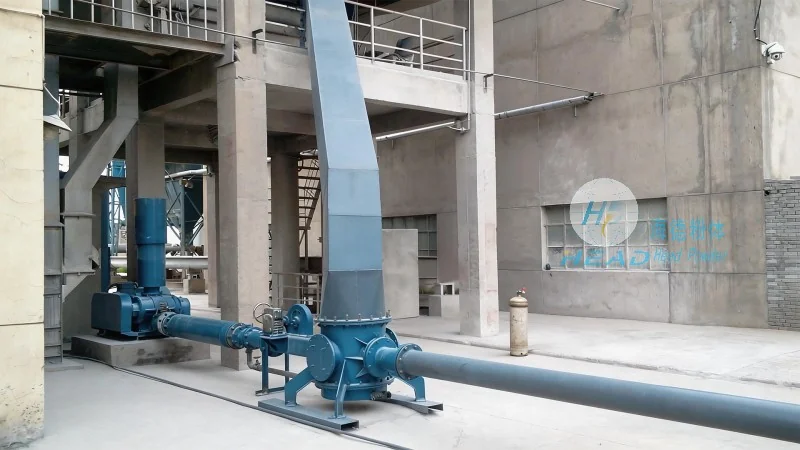
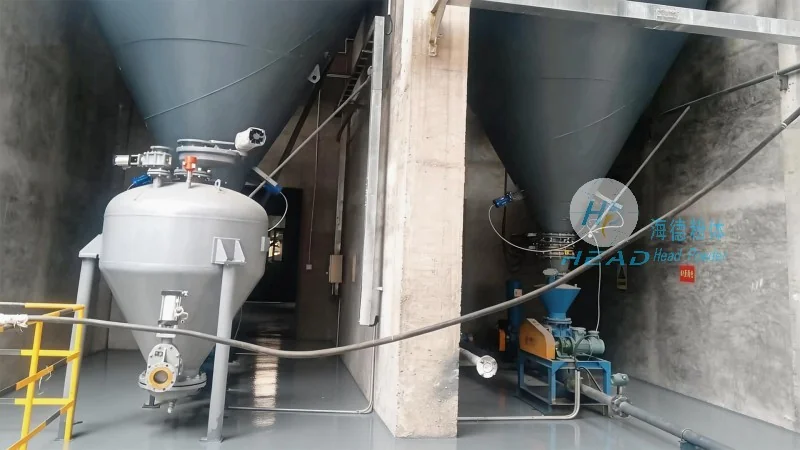
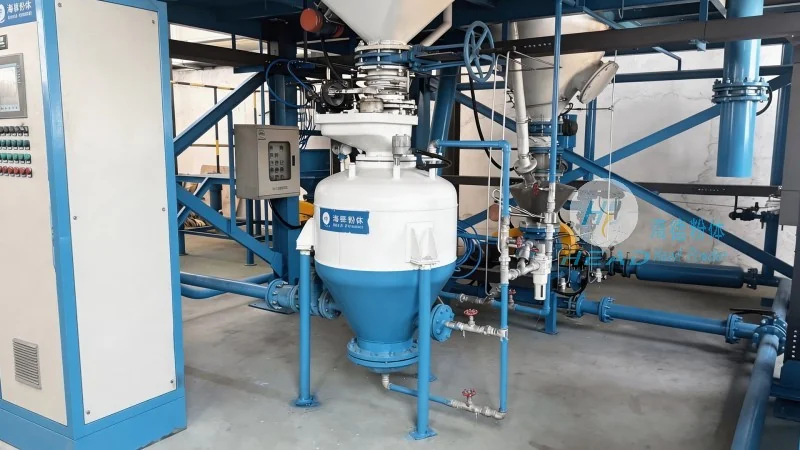
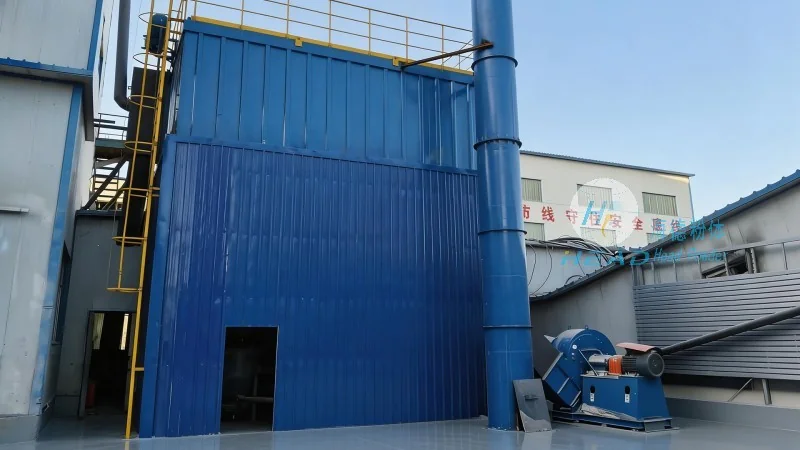
The core components of a glass slag powder conveying system typically include a hopper for material storage, a conveyor mechanism (such as a screw conveyor or pneumatic conveyor), a control system for operation, and a dust collection system to manage airborne particles. The hopper is designed to hold the glass slag and ensure a consistent feed to the conveyor. The conveyor mechanism is the heart of the system, responsible for moving the material from the hopper to the discharge point. The control system allows operators to monitor and adjust the conveying speed and pressure as needed. The dust collection system is crucial for maintaining a safe and clean working environment by capturing and filtering the fine particles that may be generated during the conveying process. Each component plays a vital role in the overall performance and efficiency of the system, and proper integration of these parts is essential for optimal operation.
Working Principle of Glass Slag Powder Conveying
The working principle of glass slag powder conveying systems can vary depending on the type of conveyor used. The most common types include screw conveyors and pneumatic conveyors. Screw conveyors use a rotating screw to push the material forward, while pneumatic conveyors use air pressure to transport the material through a pipeline. In screw conveyors, the glass slag is fed into the hopper and then moves along the screw as it rotates, gradually being pushed towards the discharge outlet. The speed of the screw and the angle of the conveyor determine the conveying capacity and efficiency. For example, a horizontal screw conveyor is suitable for short-distance transport, while a steeply inclined screw conveyor can handle vertical or near-vertical transport. Pneumatic conveyors, on the other hand, work by creating a pressure differential between the inlet and outlet of the pipeline. The material is introduced into the system and is carried by the moving air stream, which can be either positive pressure (blowing air into the pipe) or negative pressure (sucking air out of the pipe). The choice of conveyor type depends on factors such as the material's properties, the distance to be conveyed, and the required throughput. For instance, positive pressure systems are often used for short to medium distances, while negative pressure systems are better suited for longer distances or when handling fine powders.