

Operation Process and Working Principle of Aluminum Nitride Powder Conveying
Aluminum nitride (AlN) is a widely used ceramic material in modern industrial applications, particularly in the semiconductor and electronics sectors. The efficient and reliable transportation of AlN powder is crucial for maintaining production quality and operational efficiency. This article provides an in-depth look at the operation process and working principle of AlN powder conveying systems, highlighting the key components, technical aspects, and practical considerations involved in the process.
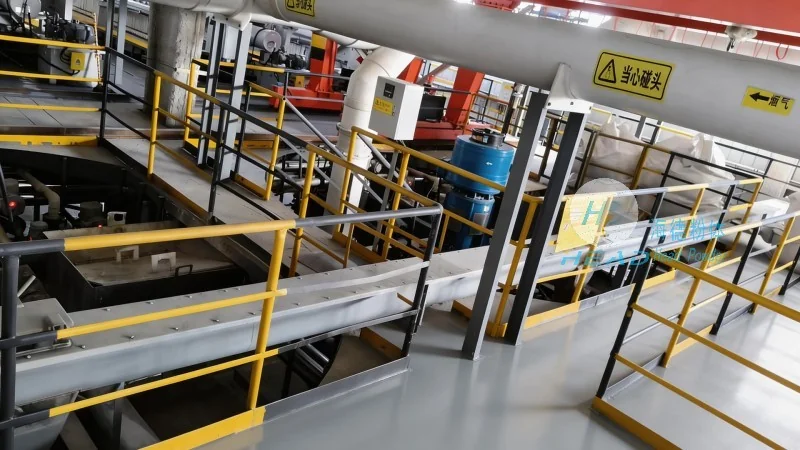
About HeadPowder: A Leading Provider of Powder Handling Solutions
HeadPowder, a division of Shandong HeadPowder Engineering Co., Ltd., is a professional manufacturer and supplier specializing in advanced powder handling technologies. With headquarters in Shandong, China, HeadPowder has established itself as a trusted partner for industries requiring precise and efficient powder conveying solutions. The company's expertise lies in designing and implementing customized systems tailored to the unique needs of clients, ensuring optimal performance and reliability in various industrial applications.
Understanding the Operation Process of Aluminum Nitride Powder Conveying
The operation process of AlN powder conveying typically involves several key stages, each designed to ensure the safe and efficient movement of the material from the source to the destination. The process begins with the collection of AlN powder, which is often stored in bulk containers or silos. From there, the powder is transferred to the conveying system through a series of components that work in tandem to maintain the material's integrity and prevent contamination.
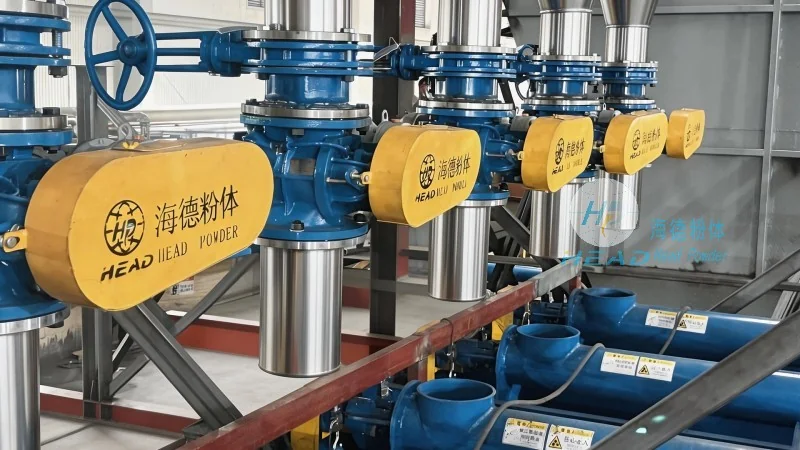
One of the primary components in an AlN powder conveying system is the feeding device, which ensures a consistent and controlled flow of powder into the conveyor. This is often achieved through the use of rotary valves or screw feeders, which regulate the material's movement and prevent blockages. The feeding device is crucial for maintaining the uniformity of the powder stream, which is essential for downstream processing steps.
Working Principle of the Conveying System
The core of the AlN powder conveying system is the conveyor itself, which can be either pneumatic or mechanical, depending on the specific requirements of the application. Pneumatic conveying systems use compressed air to transport the powder through a pipeline, while mechanical systems rely on screw conveyors or belt conveyors to move the material. The choice of system depends on factors such as the powder's properties, the distance to be covered, and the required flow rate.
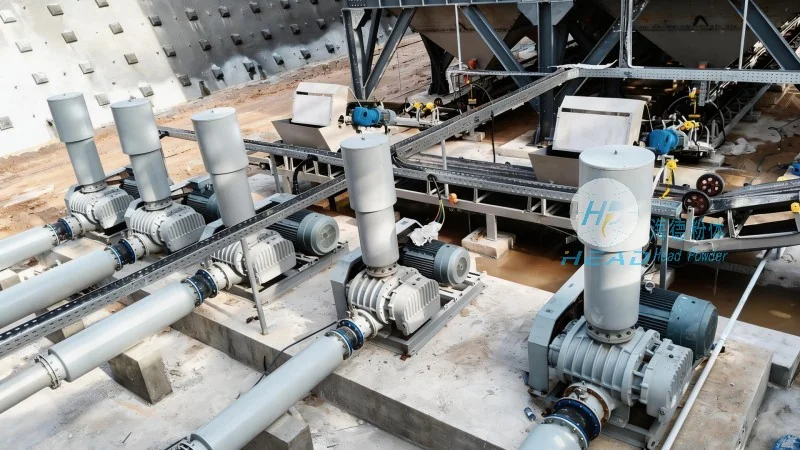
In a pneumatic conveying system, the AlN powder is introduced into a pipeline and carried by a stream of air. The air velocity is carefully controlled to ensure that the powder particles are suspended and transported without causing excessive wear or degradation. The system typically includes a blower or compressor to generate the necessary air pressure, and a filter to remove any dust or particles from the exhaust air. This approach is particularly effective for handling fine powders like AlN, as it minimizes the risk of particle agglomeration and ensures a smooth flow.
For mechanical conveying systems, the AlN powder is moved through a rotating screw or belt. The screw conveyor, for example, uses a helical screw to push the powder forward, while the belt conveyor relies on a moving belt to transport the material. These systems are often preferred for bulk material handling, as they can handle larger quantities of powder and are less susceptible to air pressure fluctuations. However, they may require more maintenance and are generally less suitable for fine powders that are prone to clogging.
Key Considerations for Efficient Aluminum Nitride Powder Conveying
Several factors must be considered to ensure the efficient and reliable operation of AlN powder conveying systems. First, the material properties of the AlN powder, such as its particle size, density, and moisture content, play a critical role in determining the most suitable conveying method. Fine powders with high moisture content may require additional drying or conditioning steps to prevent clogging and ensure smooth transport.
Second, the system's design must account for the potential for particle agglomeration, which can lead to blockages and reduced efficiency. This is often addressed through the use of agitators or vibration devices that keep the powder in a free-flowing state. Additionally, the system must be equipped with appropriate filtration and cleaning mechanisms to prevent the buildup of dust and debris, which can affect performance over time.
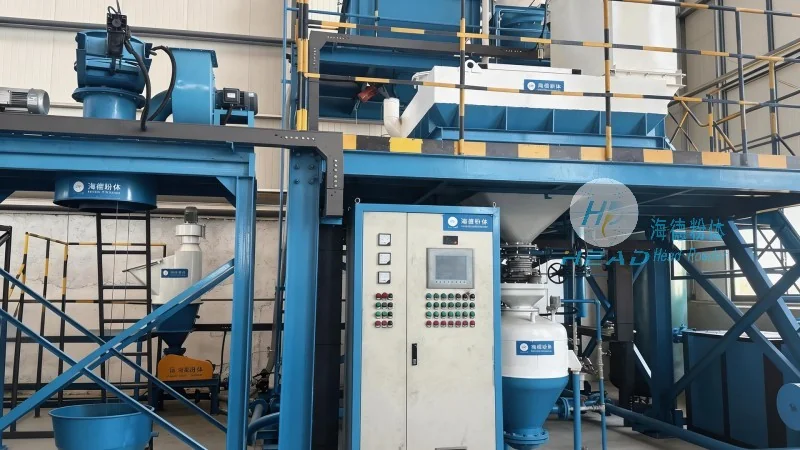
Third, the maintenance and operational parameters of the conveying system are essential for long-term reliability. Regular inspection and maintenance of components such as rotary valves, screw conveyors, and air filters are necessary to prevent breakdowns and ensure consistent performance. The system's control system, which monitors flow rates, pressure, and other parameters, also plays a vital role in maintaining optimal operation.
Conclusion: The Importance of Advanced Powder Conveying Solutions
In conclusion, the operation process and working principle of aluminum nitride powder conveying are complex and require careful consideration of various factors to ensure efficiency and reliability. HeadPowder, with its expertise in powder handling technologies, offers customized solutions that address the unique challenges of AlN powder transportation. By understanding the key components and operational principles of these systems, industries can optimize their production processes and enhance overall performance. The continued development of advanced conveying technologies will further improve the efficiency and safety of AlN powder handling, supporting the growth of industries that rely on this critical material.