

Operation Process and Working Principle of Dry Manure Powder Conveying
HeadPowder Engineering, a leading company based in Shandong, China, specializes in the design and implementation of advanced dry manure powder conveying systems. These systems are crucial for modern agricultural and livestock operations, offering an efficient solution to manage and transport manure while minimizing environmental impact. The technology behind these systems combines mechanical engineering principles with sustainable practices, ensuring that waste management processes are both effective and environmentally responsible.
Working Principle of Dry Manure Powder Conveying
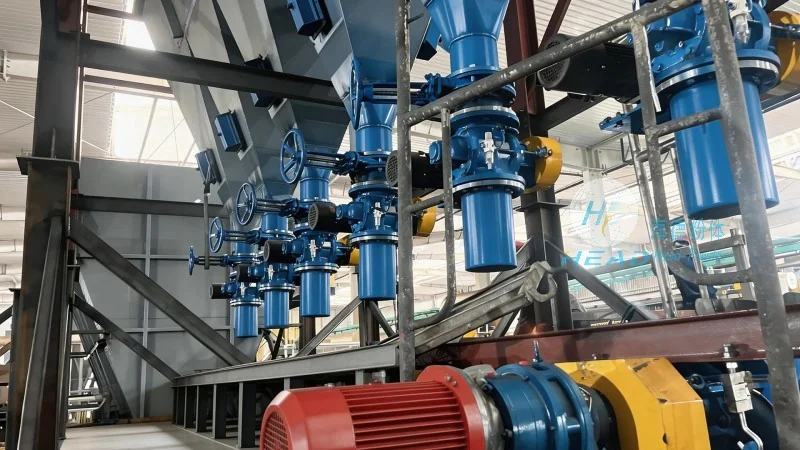
The core working principle of dry manure powder conveying involves several key stages that transform raw manure into a manageable powder for transport. Initially, the system collects fresh manure from livestock facilities, such as barns or paddocks. This raw material is then subjected to a drying process, typically using heat or air circulation, to reduce moisture content. Following drying, the manure is passed through a grinding or crushing mechanism, which breaks down larger particles into a fine, powdery consistency. The resulting dry manure powder is then conveyed through a network of pipes or hoses using positive displacement pumps or air-driven systems. This method ensures that the material is transported without clogging or degradation, maintaining its quality throughout the process.
Operation Process of Dry Manure Powder Conveying
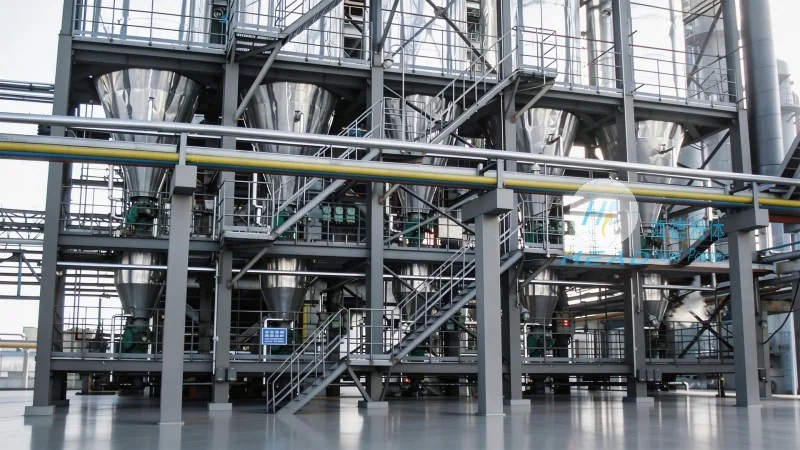
The operation process of a dry manure powder conveying system is a systematic sequence of steps that optimize efficiency and reliability. The process begins with the collection of manure from the source, which may involve automated sensors or manual collection methods depending on the scale of the operation. Once collected, the manure is transported to a drying unit, where it undergoes controlled drying to achieve the optimal moisture level for powder formation. After drying, the material is fed into a grinding unit, which processes it into a fine powder. The powder is then transferred to a storage silo or directly to a conveying system. The conveying phase uses specialized pumps, such as rotary lobe or diaphragm pumps, to move the powder through pipelines to designated disposal or processing sites. This entire process is monitored by automated controls, ensuring consistent performance and minimizing downtime. Regular maintenance and calibration of the equipment are also integral to maintaining the system's efficiency and longevity.
Technical Advantages and Applications
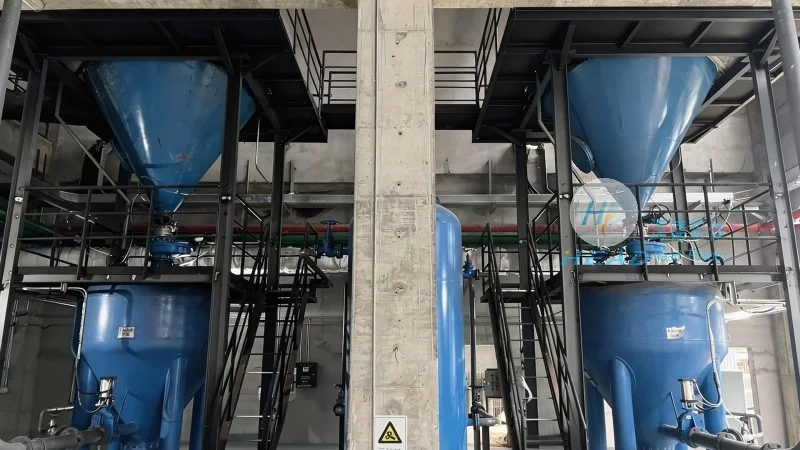
Dry manure powder conveying systems offer several technical advantages that make them ideal for contemporary agricultural practices. These systems significantly reduce the volume of manure, which in turn lowers transportation costs and storage requirements. The dry powder form also minimizes odors and pathogens, enhancing safety for both workers and the environment. Additionally, the technology is energy-efficient, with optimized pumping and drying processes that reduce operational expenses. HeadPowder Engineering's systems are designed to handle various types of manure, including cow, pig, and poultry waste, making them versatile for different livestock operations. The systems are also scalable, accommodating small-scale farms as well as large commercial operations, ensuring that they can meet the needs of diverse agricultural settings.