

Operation Process and Working Principle of Potash Fertilizer Powder Conveying
Understanding the operation process and working principle of potash fertilizer powder conveying is crucial for optimizing material handling in agricultural and industrial applications. This article provides a detailed overview of the key components, processes, and operational aspects involved in efficiently transporting potash fertilizer, a vital nutrient for enhancing crop yields. The information is presented by Shandong HeadPowder Engineering Co., Ltd., a leading provider of specialized engineering solutions for bulk material handling systems.
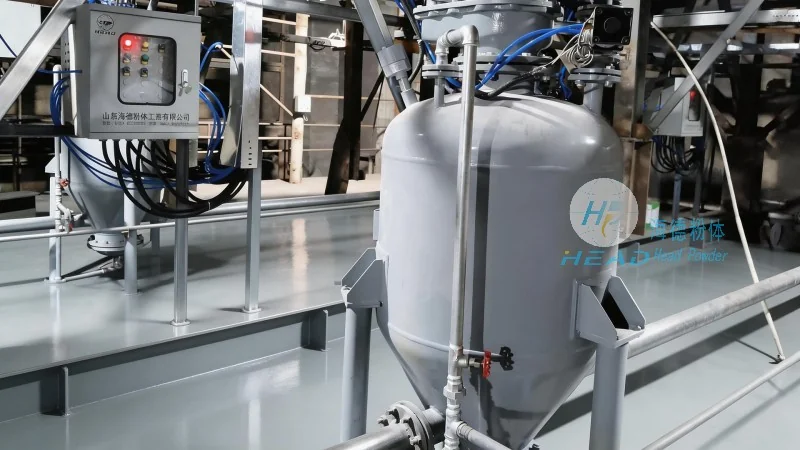
Introduction to Potash Fertilizer Powder Conveying
Potash fertilizer, primarily composed of potassium compounds such as potassium chloride (KCl) and potassium sulfate (K₂SO₄), is a critical component in modern agricultural practices. Efficient and reliable powder conveying systems are essential to ensure that this valuable resource is transported safely and effectively from production facilities to storage or distribution points. The process involves several stages, each designed to maintain the integrity of the fertilizer while minimizing dust generation and energy consumption. Shandong HeadPowder Engineering Co., Ltd. specializes in designing and manufacturing advanced conveying solutions tailored to the unique properties of potash fertilizer, ensuring optimal performance and durability.
Key Components of the Conveying System
The potash fertilizer powder conveying system typically consists of several interconnected components that work in harmony to achieve seamless material transport. These components include feeders, conveyors, dust control systems, and control panels. Each component plays a specific role in the overall operation, contributing to the efficiency and safety of the process. The feeders are responsible for uniformly feeding the potash fertilizer into the conveyor system, preventing blockages and ensuring consistent flow rates. The conveyors, which may include belt conveyors, screw conveyors, or pneumatic systems, transport the material through the system. Dust control systems are integral to maintaining a safe working environment by capturing and filtering airborne particles. The control panels allow operators to monitor and adjust the system parameters in real-time, ensuring optimal performance and preventing operational issues.
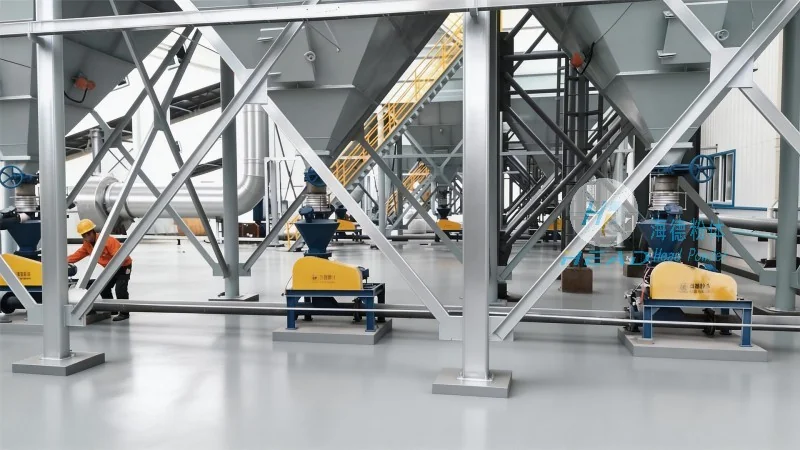
Operation Process of Potash Fertilizer Powder Conveying
The operation process of potash fertilizer powder conveying begins with the loading of raw potash fertilizer into the feeding hopper. The feeder then regulates the flow of material into the conveyor, ensuring a steady supply. The conveyor transports the fertilizer to the next stage of the process, such as storage silos or packaging units. During this stage, the system may incorporate features like vibration or agitation to prevent material bridging and ensure smooth flow. The conveying process is typically continuous, with the system running until the desired quantity of fertilizer is transported. The control system continuously monitors key parameters such as flow rate, pressure, and temperature, adjusting the operation as needed to maintain optimal conditions. This ensures that the potash fertilizer is handled with precision and minimal loss or degradation.
Working Principle of the Conveying System
The working principle of the potash fertilizer powder conveying system is based on the principles of fluidization and mechanical transport. The system utilizes a combination of mechanical forces and air flow to move the material through the conveyor. In pneumatic conveying systems, for example, compressed air is used to create a flow of air and material, transporting the potash fertilizer through pipes. The air flow is carefully controlled to maintain the desired velocity and pressure, ensuring that the material is conveyed without excessive pressure drops or blockages. In mechanical conveyors, such as belt or screw conveyors, the material is moved by the rotation of the conveyor components, which create a continuous flow of material. The design of the conveyor system is critical to the efficiency of the process, as it must be tailored to the specific properties of the potash fertilizer, including its particle size, density, and moisture content. Shandong HeadPowder Engineering Co., Ltd. employs advanced engineering techniques to design systems that are optimized for the unique characteristics of potash fertilizer, ensuring reliable and efficient operation.
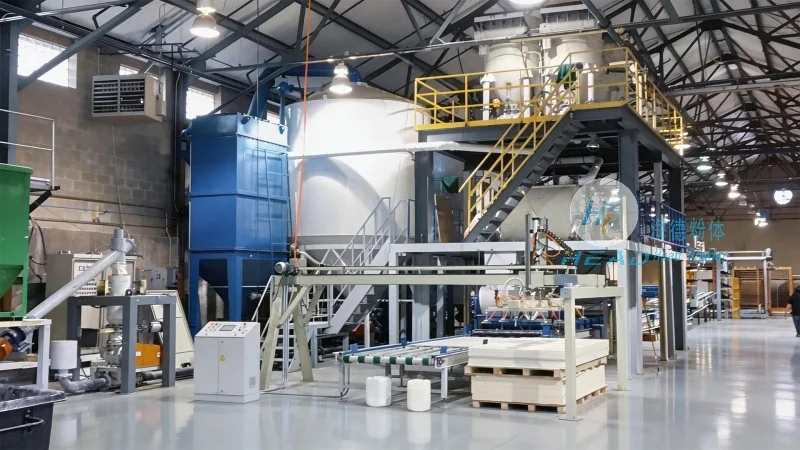
Benefits of Efficient Potash Fertilizer Powder Conveying
Efficient potash fertilizer powder conveying offers several benefits for agricultural and industrial operations. By optimizing the transport process, companies can reduce operational costs, improve productivity, and enhance safety. The use of advanced conveying systems minimizes dust generation, reducing the risk of respiratory issues and improving air quality in the workplace. Additionally, efficient conveying reduces material loss and degradation, ensuring that the potash fertilizer maintains its nutritional value and effectiveness. The continuous operation of the system allows for consistent supply of fertilizer, supporting the timely application in agricultural fields. Shandong HeadPowder Engineering Co., Ltd. provides customized conveying solutions that address the specific needs of each client, ensuring that the benefits of efficient potash fertilizer powder conveying are realized.
Conclusion
In conclusion, the operation process and working principle of potash fertilizer powder conveying are complex but essential for the efficient handling of this vital agricultural resource. The system involves a series of interconnected components and processes that work together to transport potash fertilizer safely and effectively. Shandong HeadPowder Engineering Co., Ltd. specializes in designing and manufacturing advanced conveying solutions tailored to the unique properties of potash fertilizer, ensuring optimal performance and durability. By understanding and implementing efficient conveying systems, agricultural and industrial operations can improve productivity, reduce costs, and enhance safety, ultimately contributing to sustainable agricultural practices.