

Foam Powder Conveying: Operation Process and Working Principle
Shandong HeadPowder Engineering Co., Ltd., commonly known as HeadPowder, specializes in advanced powder handling solutions, including foam powder conveying systems. The company focuses on developing efficient and reliable technologies to address the challenges of transporting fine or cohesive powders, which are critical in industries such as chemical, pharmaceutical, and food processing.
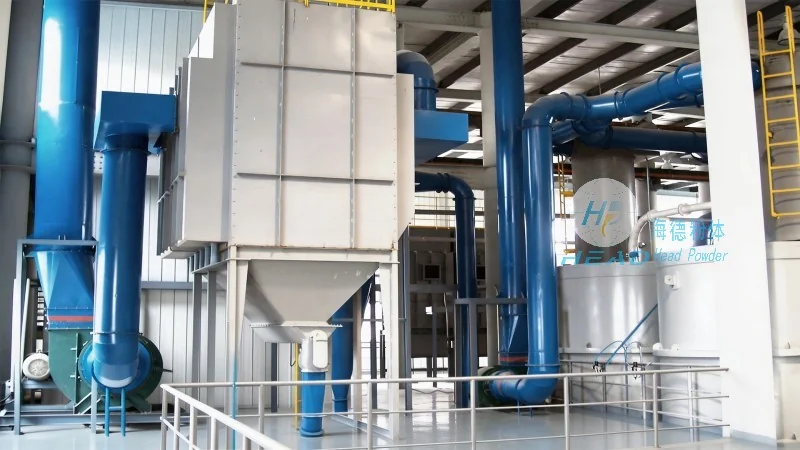
Overview of Foam Powder Conveying Technology
Foam powder conveying is a sophisticated method that integrates air and powder to create a stable, low-density mixture for transport. This technique is particularly effective for handling materials that are difficult to convey using conventional pneumatic or mechanical systems. By leveraging the principles of fluidization and gas-solid two-phase flow, the system achieves smooth, continuous movement of powder over long distances, minimizing particle segregation and ensuring consistent delivery.
Key Components and System Architecture
The foam powder conveying system comprises several core components that collaborate to ensure optimal performance. These include a powder feeder, a foam generator, a conveying line, and a separation or recovery unit. The powder feeder introduces the dry powder into the system, while the foam generator injects air or gas to create the foam medium. The conveying line, typically a flexible or rigid tube, transports the foam-powder mixture to the destination. Finally, the separation unit removes excess air, allowing the powder to settle and be collected for downstream processing.
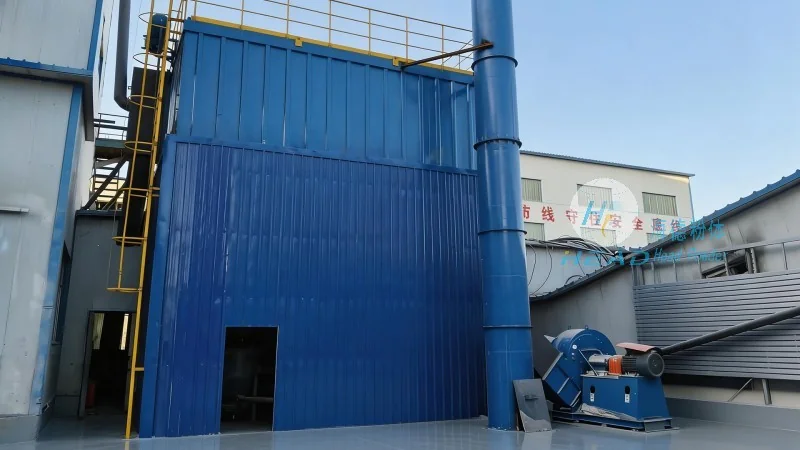
Operation Process: Step-by-Step Execution
The operation of a foam powder conveying system follows a systematic sequence to ensure consistent and efficient material transport. The process begins with the preparation of the powder feed, where the material is loaded into the feeder and prepared for introduction. Next, the foam generator is activated, and air is introduced to create the foam structure. The powder is then mixed with the foam, forming a stable slurry that is ready for transport. As the mixture travels through the conveying line, it maintains a uniform flow, minimizing particle agglomeration and ensuring consistent delivery. At the receiving end, the separation unit removes the air, allowing the powder to settle and be collected for further use.
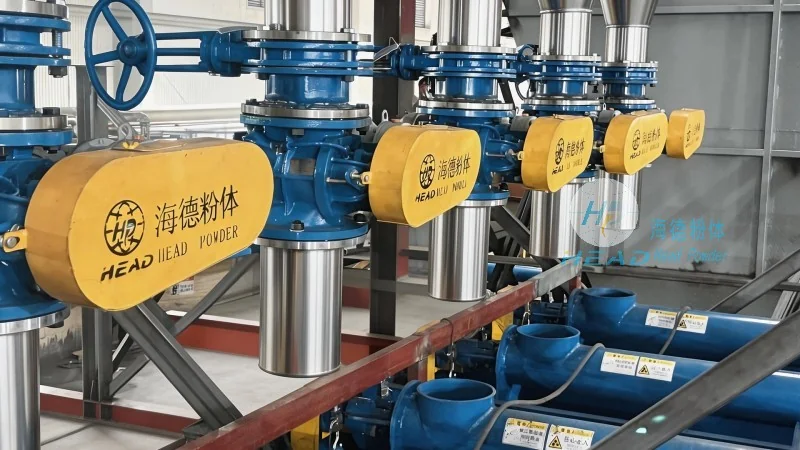
Working Principle: Fluidization and Two-Phase Flow Dynamics
The working principle of foam powder conveying is based on the physics of fluidization and two-phase flow. When air is introduced into the powder bed, it creates a fluidized state where particles are suspended and behave like a fluid. The foam generator enhances this effect by increasing the air-to-powder ratio, resulting in a low-density mixture that reduces friction and energy consumption. The two-phase flow dynamics ensure that powder particles are evenly distributed within the foam, preventing degradation and maintaining particle integrity. This principle enables efficient transport of even the most challenging powders, such as those with high moisture content or fine particle sizes.
Advantages and Applications in Industrial Settings
Foam powder conveying offers several advantages over traditional conveying methods, making it a preferred choice for various industries. The primary benefits include reduced energy consumption, lower pressure drop, and improved material handling for fine or cohesive powders. Additionally, the system minimizes particle degradation and maintains product quality, which is crucial in applications like pharmaceuticals and food processing. Industries that benefit from this technology include chemical manufacturing, where bulk powder transport is required; pharmaceuticals, where precise dosing and purity are essential; and food processing, where hygienic and efficient handling of ingredients is necessary.