

Operation Process and Working Principle of Rice Husk Powder Conveying
Shandong HeadPowder Engineering Co., Ltd., located in Shandong, China, specializes in the design and implementation of efficient rice husk powder conveying systems. These systems are crucial for industries dealing with rice husk processing, as they ensure the safe and reliable transport of this lightweight, abrasive material from one processing stage to another. The operation of such systems involves a series of steps that work in tandem to maintain consistent flow and minimize material loss.
Key Components and Their Roles
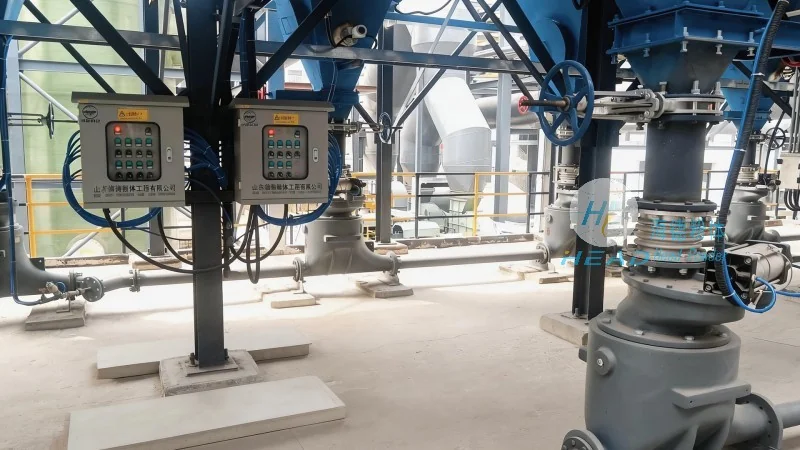
The rice husk powder conveying system typically consists of several key components, each playing a vital role in the overall process. The primary components include the hopper, which serves as the storage and feeding unit, the conveyor (such as a screw conveyor or pneumatic conveyor), and the control system that regulates the flow rate. The hopper is designed to handle the bulk storage of rice husk powder, ensuring a steady supply to the conveyor. The conveyor then transports the material through the system, while the control system monitors and adjusts parameters like speed and pressure to maintain optimal performance.
Operation Process: Step-by-Step
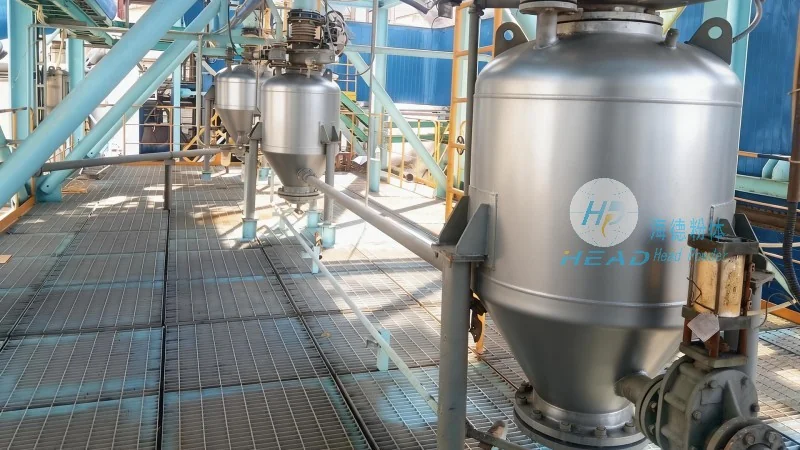
The operation of a rice husk powder conveying system begins with the loading of rice husk into the hopper. As the material accumulates, the hopper's design allows for uniform feeding into the conveyor. The conveyor then moves the powder through the system, either by mechanical means (like a screw conveyor) or by pneumatic pressure (in a pneumatic conveying system). In a screw conveyor, the rotating screw pushes the powder forward, while in a pneumatic system, compressed air propels the material through pipes. The system is equipped with sensors and controls that monitor the flow rate and pressure, ensuring that the conveying process remains stable and efficient. At the discharge end, the rice husk powder is collected in a receiving container, completing the transport cycle.
Working Principle: Mechanisms of Material Transport
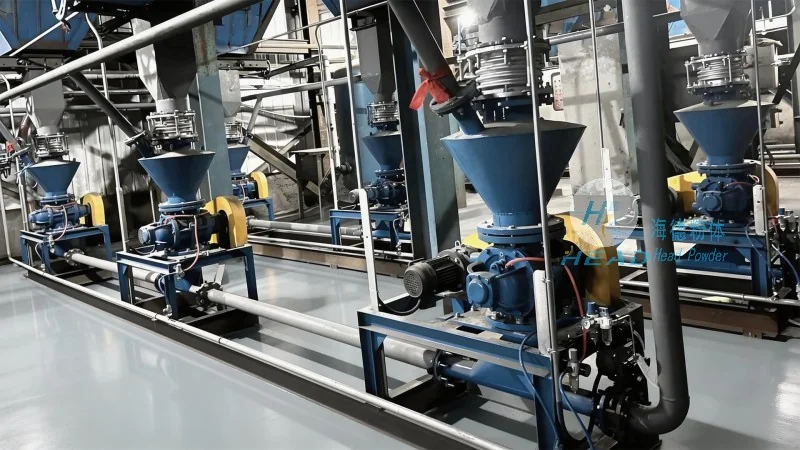
The working principle of rice husk powder conveying systems is based on the physics of material movement under controlled conditions. For mechanical conveyors, the principle involves the use of a rotating screw or belt to apply force and move the material. The screw conveyor, for example, uses the helical blade to push the powder forward, leveraging the friction between the blade and the material to achieve transport. The speed of the screw and the pitch of the helix are critical factors that determine the conveying capacity and efficiency. In pneumatic conveying systems, the principle relies on the creation of a pressure differential. Compressed air is introduced into the conveying line, creating a flow that entrains the rice husk powder and transports it through the system. The pressure and velocity of the air, along with the design of the ductwork, are key to ensuring that the material is conveyed without clogging or loss.
Advantages and Applications
Rice husk powder conveying systems offer several advantages, making them ideal for various industrial applications. These systems are capable of handling large volumes of material with minimal labor, reducing the risk of dust exposure and material spillage. The design of the system, particularly the hopper and conveyor, minimizes the risk of material buildup and blockages, which can be common in traditional handling methods. Additionally, the control systems allow for precise regulation of the conveying rate, ensuring that the material is delivered to the next processing stage at the required rate. Industries such as biomass energy production, animal feed manufacturing, and construction material production benefit from these systems, as they efficiently transport rice husk powder for further processing or use.
Conclusion
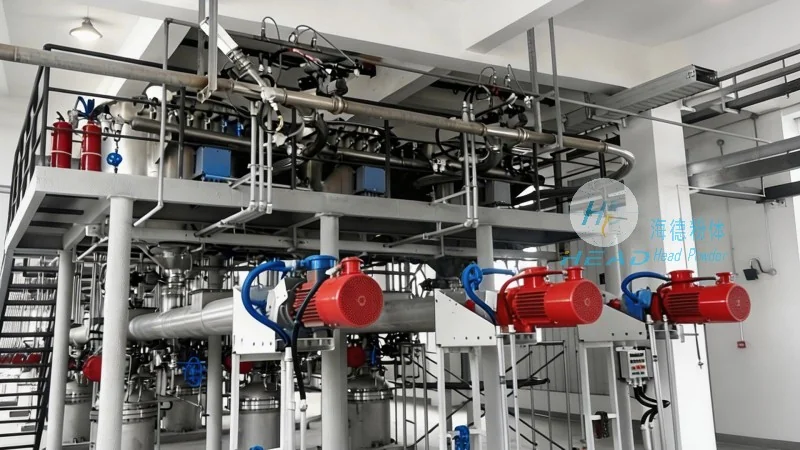
Shandong HeadPowder Engineering Co., Ltd. provides comprehensive solutions for rice husk powder conveying, combining advanced technology with practical design to meet the needs of various industries. The operation process and working principles of these systems ensure reliable and efficient transport of rice husk powder, contributing to the overall productivity and safety of rice husk processing operations. By understanding the key components and mechanisms involved, industries can optimize their material handling processes and enhance operational efficiency.