

Operation Process and Working Principle of Catalyst Powder Conveying
Understanding the operation process and working principle of catalyst powder conveying is crucial for optimizing industrial processes in sectors such as chemical manufacturing, petrochemicals, and environmental treatment. This article provides a detailed overview of how catalyst powders are efficiently transported and utilized, emphasizing the technical aspects and operational efficiency of the system.
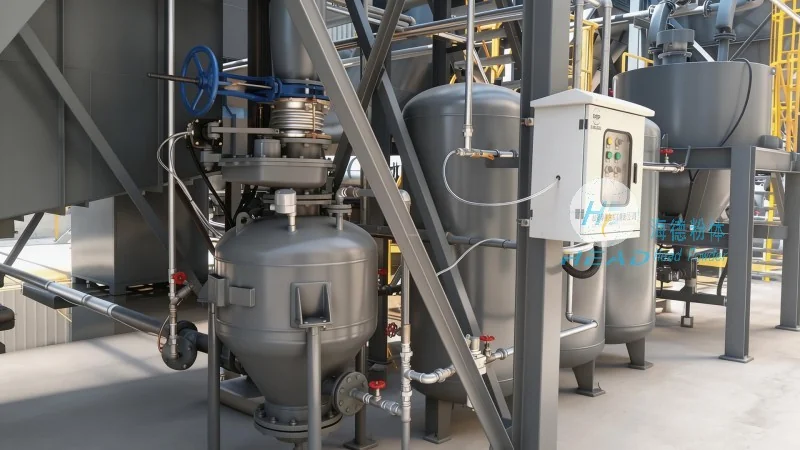
Company Profile: Shandong HeadPowder Engineering Co., Ltd.
HeadPowder, as a leading provider in the field of powder handling and processing, specializes in developing advanced solutions for catalyst powder conveying systems. With a strong presence in Shandong, China, the company combines expertise in mechanical engineering, material science, and process automation to deliver reliable and efficient equipment for industrial applications. The company's commitment to quality and innovation ensures that its products meet the stringent requirements of modern manufacturing environments.
Overview of Catalyst Powder Conveying Systems
Catalyst powder conveying systems are designed to handle fine powders, such as those used in catalytic reactions, with precision and minimal loss. These systems typically involve a combination of components, including feeders, conveyors, and control mechanisms, all working in tandem to ensure consistent and safe material transport. The primary goal is to maintain the integrity of the catalyst particles while minimizing degradation or agglomeration during the conveying process.
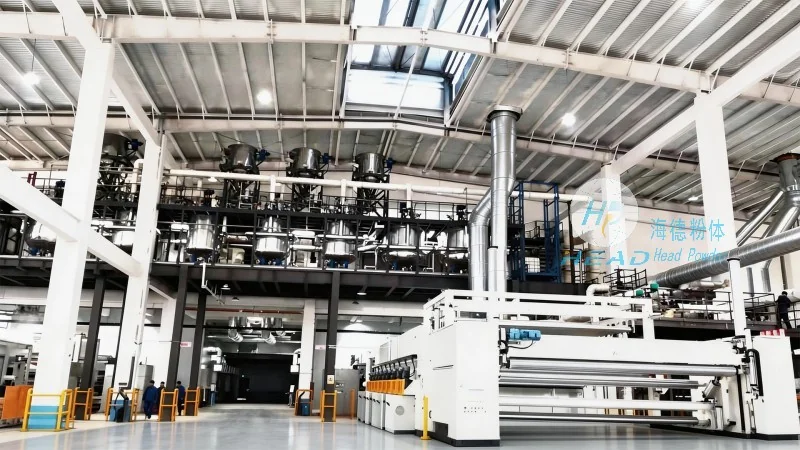
The Operation Process of Catalyst Powder Conveying
The operation process of catalyst powder conveying begins with the feeding of the powder into the system. This is usually done using a rotary valve or a screw feeder, which ensures a controlled and steady flow of material into the conveyor. The conveyor itself, often a pneumatic or mechanical type, then transports the powder to the desired destination, such as a reactor or storage tank. Throughout this process, the system monitors parameters like pressure, flow rate, and temperature to maintain optimal conditions. The entire operation is typically automated, with sensors and control systems adjusting the process in real-time to prevent issues like clogging or uneven distribution.
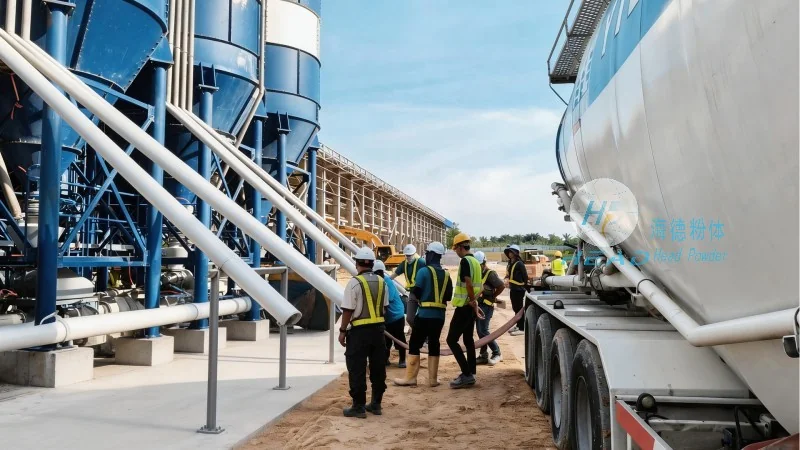
Working Principle of Catalyst Powder Conveying
The working principle of catalyst powder conveying relies on the interaction between the powder particles and the conveying medium. In pneumatic conveying systems, for example, compressed air is used to create a flow that propels the powder through the pipeline. The air velocity and pressure are carefully controlled to ensure that the particles are carried without excessive friction or breakage. Mechanical conveyors, on the other hand, use rotating components like screws or belts to move the powder along a defined path. The design of these components is critical, as they must be able to handle the specific properties of catalyst powders, such as their size, density, and moisture content. The principle also involves maintaining a consistent flow rate and preventing backflow, which can lead to material loss or system inefficiencies.
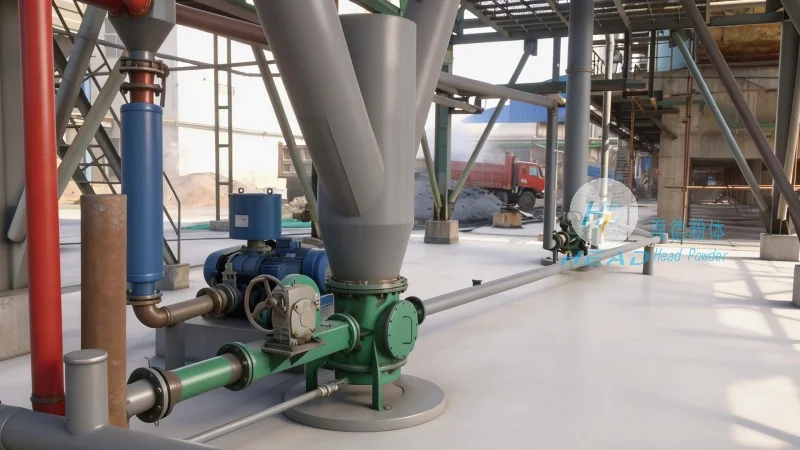
Key Components and Their Functions
Several key components are integral to the effective operation of catalyst powder conveying systems. The feeder is responsible for delivering the powder to the conveyor at a controlled rate, preventing overloading or underfeeding. The conveyor itself, whether pneumatic or mechanical, is the core of the system, responsible for transporting the material. In pneumatic systems, the air compressor and filter ensure a clean and consistent air supply, while the pipeline and valves control the flow direction and pressure. In mechanical systems, the drive system and bearings provide the necessary power and support. Additionally, control systems, including sensors and programmable logic controllers (PLCs), monitor and adjust the process parameters to maintain optimal performance.
Benefits and Applications
Efficient catalyst powder conveying offers numerous benefits, including improved process reliability, reduced material loss, and enhanced safety. By maintaining the integrity of the catalyst particles, the system ensures that the catalyst remains effective in the intended application. This is particularly important in industries where catalyst performance directly impacts product quality and yield. The technology is widely used in the production of chemicals, pharmaceuticals, and environmental treatment processes, where precise control over powder handling is essential. Companies like Shandong HeadPowder Engineering Co., Ltd. provide tailored solutions to meet the specific needs of these industries, ensuring that their clients can achieve optimal performance and efficiency.