

Operation Process and Working Principle of Polyethylene Powder Conveying Line
HeadPowder, a leading manufacturer based in Shandong, China, specializes in the design and production of advanced polyethylene powder conveying lines. These systems are engineered to handle the unique challenges associated with transporting polyethylene powders efficiently and reliably. The following sections will delve into the operation process and working principles of such a system, providing a comprehensive understanding of its functionality and benefits.
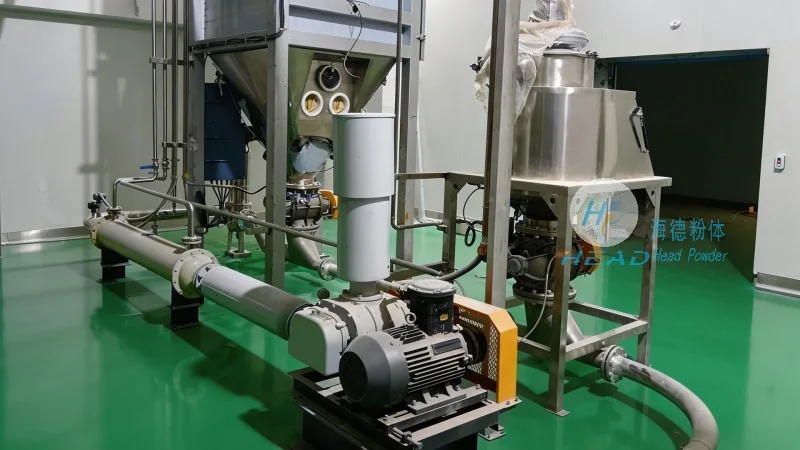
Overview of Polyethylene Powder Conveying Systems
Polyethylene powder conveying lines are sophisticated industrial solutions designed to transport polyethylene powder from storage silos or processing units to various destinations, such as reactors, mixers, or packaging stations. The core components of these systems typically include feeders, conveyors, control panels, and safety devices. Each component plays a crucial role in ensuring the smooth and safe operation of the entire line.
Key Components and Their Functions
1. Polyethylene Powder Feeders: These devices are responsible for feeding the polyethylene powder into the conveying system. Common types include screw feeders, rotary valves, and vibratory feeders. The choice of feeder depends on the powder's flow characteristics, such as bulk density, moisture content, and particle size. For polyethylene powders, which can be cohesive or have varying flowability, a screw feeder with adjustable speed or a rotary valve with a suitable design is often preferred to maintain consistent flow rates and prevent blockages.
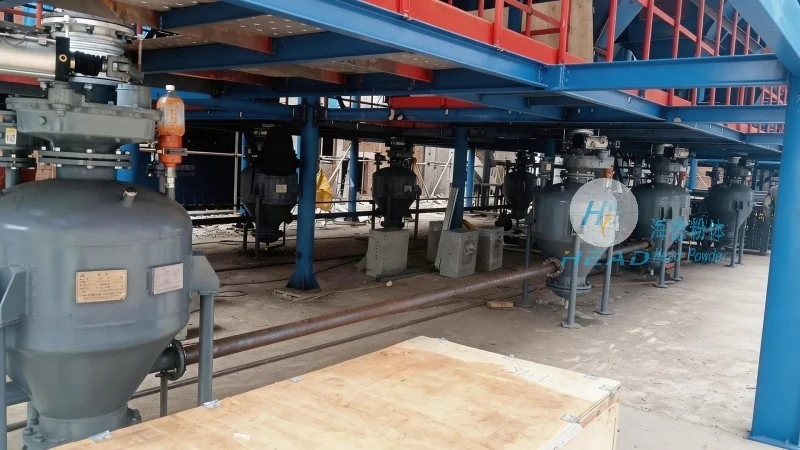
2. Polyethylene Powder Conveyors: The conveyor is the heart of the polyethylene powder conveying line. It can be categorized into different types, including pneumatic conveying systems (air-solids conveying) and mechanical conveying systems (like belt conveyors or bucket elevators). Pneumatic conveying is widely used for polyethylene powders due to its ability to handle fine powders and minimize dust generation. In pneumatic systems, the polyethylene powder is suspended in a stream of air and transported through pipelines. The velocity of the air and the design of the pipeline (e.g., straight sections, bends, and expansion joints) are critical factors that affect the conveying efficiency and the risk of particle degradation or segregation.
3. Control Panels and Sensors: Modern polyethylene powder conveying lines are equipped with advanced control panels that monitor and regulate the operation of the system. Sensors, such as level sensors, pressure sensors, and flow meters, provide real-time data on the powder level in silos, the pressure within the conveying lines, and the flow rate of the material. This data is used to adjust the feeder speed, conveyor air velocity, and other parameters to maintain optimal performance. Additionally, safety sensors and alarms are integrated to detect potential issues, such as overpressure, blockages, or leaks, and to initiate emergency shutdown procedures if necessary.
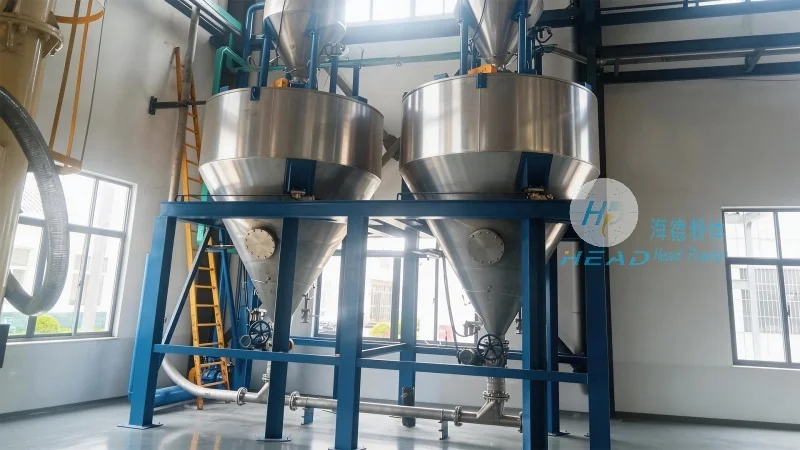
4. Safety and Environmental Measures: Handling polyethylene powders requires strict adherence to safety and environmental standards. The conveying line is typically equipped with dust collection systems, such as cyclones or baghouses, to capture and filter the powder particles from the air, preventing dust emissions and ensuring a clean working environment. Explosion-proof designs are also implemented in areas where the polyethylene powder may be prone to static electricity or other ignition sources, as polyethylene is a combustible material under certain conditions.
Operation Process of Polyethylene Powder Conveying Lines
The operation of a polyethylene powder conveying line involves several sequential steps, each designed to ensure the efficient and safe transport of the material. The process typically begins with the preparation of the polyethylene powder in the storage silo. The powder is first checked for moisture content and particle size distribution to ensure it meets the required specifications. Once the powder is ready, the feeder is activated to start the flow of material into the conveying system.
Next, the conveying system is initiated. In a pneumatic conveying system, the air compressor or blower starts operating, creating a flow of air through the pipeline. The polyethylene powder is then introduced into the air stream, where it is suspended and transported to the destination. The control panel continuously monitors the system parameters, adjusting the air velocity and feeder speed as needed to maintain a stable flow rate. The receiving equipment, such as a mixer or reactor, is then activated to receive the polyethylene powder, completing the transfer process.
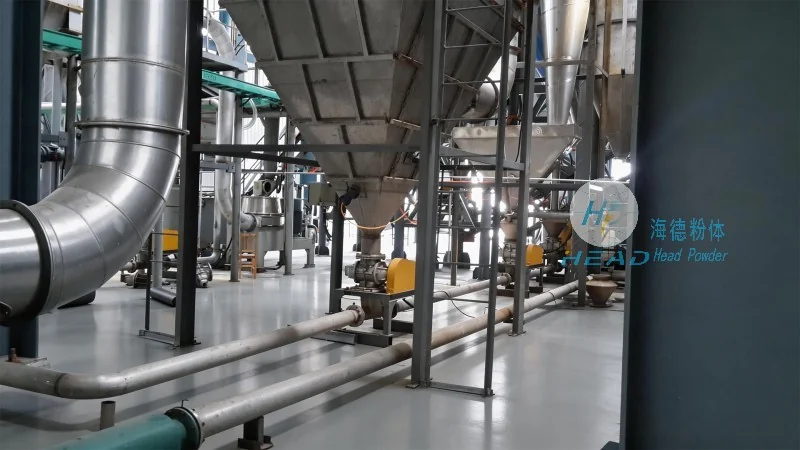
During the operation, the system may encounter various challenges, such as blockages in the pipeline or variations in powder flowability. The control system is designed to detect these issues and take corrective actions. For example, if a blockage is detected, the system may automatically reduce the air velocity or increase the feeder speed to clear the obstruction. If the powder flow rate drops below a set threshold, the control panel may alert the operator to check for issues like clogged feeders or low powder levels in the silo.
The entire operation is typically automated, with minimal manual intervention required. The control panel allows operators to monitor the system's performance, adjust parameters, and perform maintenance tasks as needed. Regular maintenance, such as cleaning the feeder, checking the conveyor system for wear, and inspecting the dust collection equipment, is essential to ensure the long-term reliability and efficiency of the polyethylene powder conveying line.