

Operation Process and Working Principle of Multi-Point Feeding Powder Conveyors
Shandong HeadPowder Engineering Co., Ltd. specializes in the design, manufacturing, and supply of advanced powder conveying systems, with a focus on innovative solutions for efficient material handling in various industrial applications. The company, commonly known as headpowder, is headquartered in Shandong, China, and has established itself as a leading provider of high-quality multi-point feeding powder conveyors that meet the demanding requirements of modern powder processing industries.
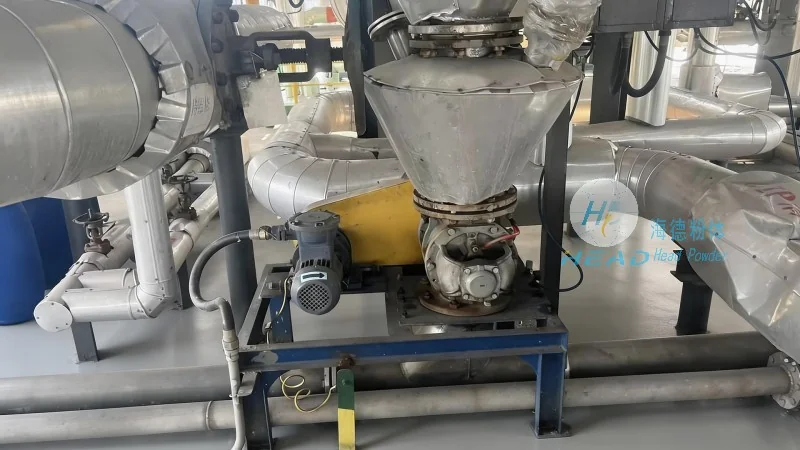
Multi-Point Feeding Powder Conveyors: An Overview
Multi-point feeding powder conveyors are sophisticated equipment designed to transport bulk powder materials from multiple feeding points to a central or designated discharge point. These systems are engineered to handle a wide range of powder types, including fine powders, granules, and bulk materials, with precision and efficiency. The primary goal of such conveyors is to ensure consistent material flow, minimize material degradation, and enhance overall operational productivity in powder processing facilities.
The Operation Process of Multi-Point Feeding Powder Conveyors
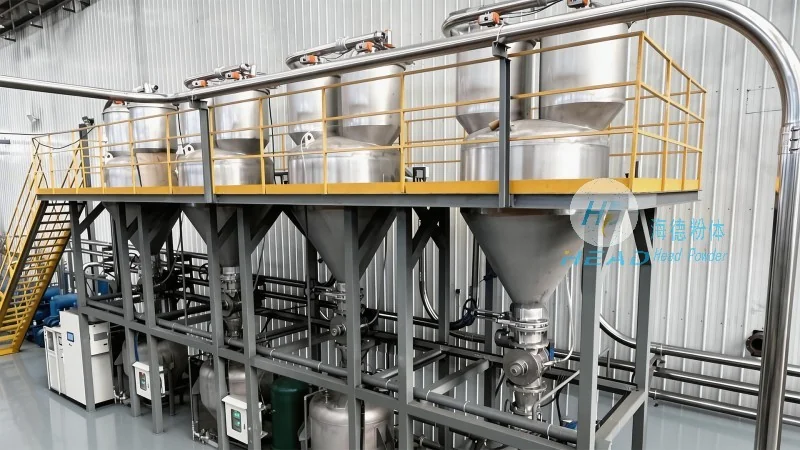
The operation of a multi-point feeding powder conveyor typically involves several key steps. Initially, the system is activated, and the feeding hoppers at each source location begin to discharge the powder into the conveyor's main pipeline. The powder is then transported through the conveyor's internal components, such as screw conveyors, pneumatic lines, or mechanical belts, depending on the specific design. As the powder moves along the pipeline, it is evenly distributed and directed towards the central discharge point. The system continuously monitors the flow rate and pressure to maintain optimal performance, ensuring that the material is delivered at the required speed and quantity. At the discharge end, the powder is collected and transferred to the next processing stage, completing the material handling cycle.
Working Principle of Multi-Point Feeding Powder Conveyors
The working principle of multi-point feeding powder conveyors is based on the principles of mechanical or pneumatic material transport. In mechanical systems, rotating screws or augers push the powder forward through the pipeline, while in pneumatic systems, compressed air or other gases create a flow that carries the powder. The multi-point feeding design allows for simultaneous input from multiple sources, which is crucial for applications where materials are produced or collected at various locations. The system integrates sensors and control mechanisms to regulate the flow from each feeding point, ensuring that the total material flow matches the conveyor's capacity. This integration of multiple feeding points and control systems enables the conveyor to handle varying material volumes and maintain a stable flow, even when the input from different sources fluctuates.
Key Features and Benefits
Multi-point feeding powder conveyors from headpowder offer several key features that enhance their performance and reliability. These include adjustable feeding rates, which allow operators to control the flow from each source independently, and robust material handling capabilities that prevent clogging and material degradation. The systems are also equipped with advanced monitoring and control technologies, such as pressure sensors and flow meters, to provide real-time data on the conveyor's operation. This data helps in optimizing the system's performance and ensuring that it operates within safe and efficient parameters. Additionally, the conveyors are designed for easy maintenance and cleaning, reducing downtime and operational costs for the end-user.
Applications in Industrial Settings
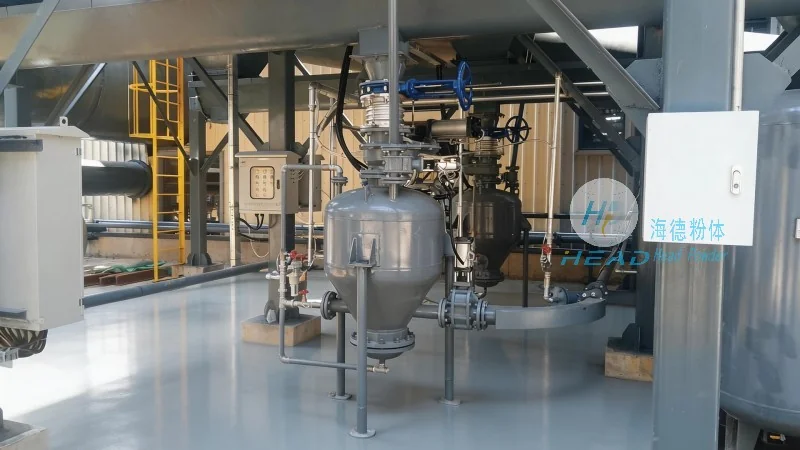
Multi-point feeding powder conveyors are widely used in various industrial sectors, including pharmaceuticals, food processing, chemical manufacturing, and mining. In pharmaceutical applications, these systems are used to transport active pharmaceutical ingredients (APIs) and excipients with high precision, ensuring that the material is handled in a sterile and controlled environment. In food processing, the conveyors are employed to handle powders like flour, sugar, and spices, maintaining product quality and preventing contamination. In chemical manufacturing, they are used to transport bulk chemicals and reagents, while in mining, they assist in the transport of mineral powders from processing plants to storage or further processing facilities. The versatility of multi-point feeding powder conveyors makes them an essential component in modern industrial material handling operations.
Conclusion
Multi-point feeding powder conveyors are critical equipment for efficient and reliable material handling in powder processing industries. The advanced design and operation of these systems, as exemplified by products from Shandong HeadPowder Engineering Co., Ltd., ensure that bulk powders are transported with precision, minimal degradation, and optimal efficiency. By integrating multiple feeding points and sophisticated control mechanisms, these conveyors address the challenges of handling materials from various sources, providing a seamless solution for industrial material transport needs. As industries continue to demand higher productivity and quality in their operations, multi-point feeding powder conveyors remain a vital technology for maintaining competitive edge and operational excellence.