

Operation Process and Working Principle of Lithium Iron Phosphate Powder Conveying Machine
Shandong HeadPowder Engineering Co., Ltd., located in Shandong, China, specializes in the design and manufacturing of advanced powder conveying equipment. The company focuses on providing reliable solutions for the handling of lithium iron phosphate (LFP) powders, which are critical components in the production of lithium-ion batteries. The following content details the operation process and working principle of a lithium iron phosphate powder conveying machine produced by HeadPowder.
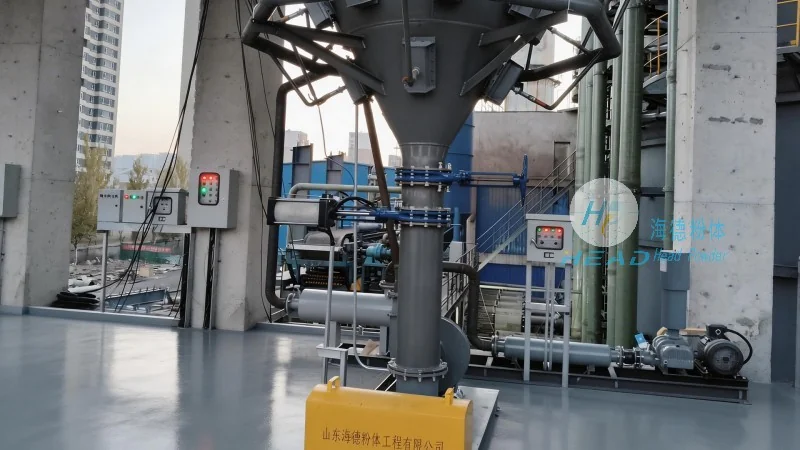
Product Overview: Lithium Iron Phosphate Powder Conveying Machine
The lithium iron phosphate powder conveying machine is a specialized piece of equipment engineered to efficiently transport LFP powders from storage silos or raw material bins to processing lines in battery manufacturing facilities. This machine is designed to meet the stringent requirements of the battery industry, including high precision, low dust generation, and consistent flow control. The equipment is built with robust materials and advanced control systems to ensure stable and reliable operation under various production conditions.
Operation Process of the Powder Conveying Machine
The operation of the lithium iron phosphate powder conveying machine typically follows a systematic sequence to ensure smooth material transfer. The process begins with the preparation phase, where the machine is checked for proper alignment, lubrication, and functional integrity of all components. Once the machine is ready, the start-up procedure is initiated. This involves activating the main drive motor, which powers the conveying mechanism, such as a screw or pneumatic system, depending on the model. The control system then monitors the flow rate and pressure, adjusting parameters as needed to maintain optimal performance.
During the conveying operation, the LFP powder is fed into the inlet hopper of the machine. The powder then moves through the conveying tube or screw channel under the influence of the mechanical or pneumatic force generated by the drive system. The machine's control panel provides real-time feedback on the material flow, allowing operators to adjust the speed or pressure to prevent clogging or uneven distribution. The conveying process continues until the target amount of powder is delivered to the discharge outlet, where it is transferred to the next stage of the battery production line.
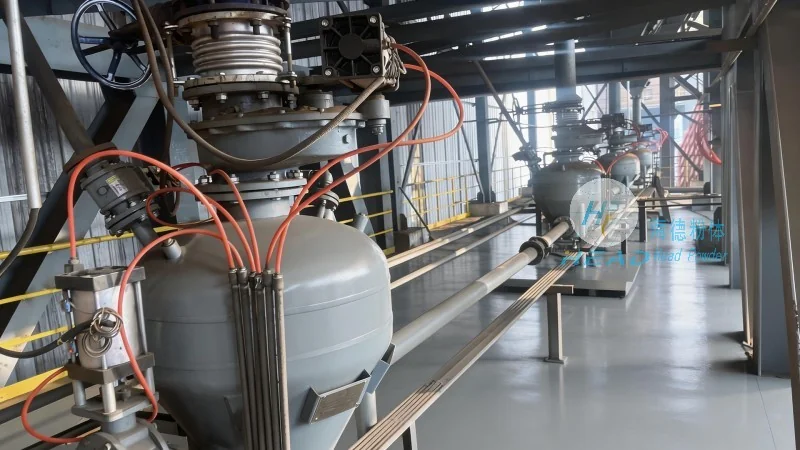
Working Principle of the Powder Conveying Machine
The working principle of the lithium iron phosphate powder conveying machine is based on the application of mechanical or pneumatic forces to move the powder through the conveying system. The most common types of conveying mechanisms used in such machines include screw conveyors and pneumatic conveying systems. Screw conveyors utilize a rotating screw to push the powder forward, while pneumatic systems use compressed air to create a flow of air and powder particles.
In the case of a screw conveyor design, the machine consists of a helical screw rotating inside a cylindrical tube. As the screw rotates, it pushes the LFP powder along the tube, transferring it from the inlet to the outlet. The speed of the screw and the pitch of the helix are carefully designed to ensure a consistent flow rate and prevent material degradation. The screw conveyor is equipped with a sealed housing to minimize dust emissions and maintain a clean working environment.
Pneumatic conveying systems, on the other hand, operate by introducing compressed air into the conveying line, which creates a flow that carries the LFP powder particles. The air flow is controlled by a series of valves and regulators to maintain the desired pressure and flow rate. The pneumatic system is often preferred for applications requiring long-distance or high-volume material transport, as it can handle larger quantities of powder with less mechanical wear.
Key Features and Technical Specifications
The lithium iron phosphate powder conveying machine from Shandong HeadPowder Engineering Co., Ltd. incorporates several key features that enhance its performance and reliability. These include high-precision control systems, which allow for accurate adjustment of flow rates and pressure, ensuring consistent material delivery. The machine is also equipped with dust collection and filtration systems to minimize environmental impact and maintain a safe working environment. Additionally, the equipment is designed with durable materials, such as stainless steel and corrosion-resistant alloys, to withstand the harsh conditions of powder handling and prevent material contamination.
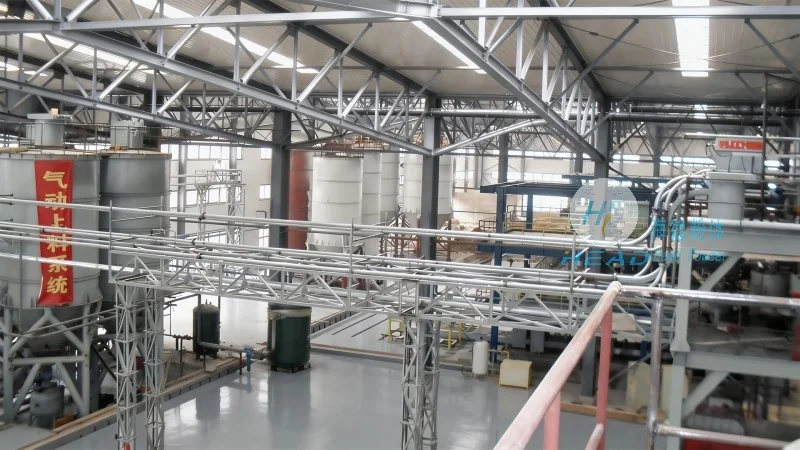
Technical specifications of the machine typically include a conveying capacity ranging from 1 to 50 tons per hour, depending on the model and configuration. The machine can handle powder with a particle size range of 1 to 200 microns, making it suitable for various LFP powder compositions. The system operates at a pressure range of 0.5 to 2.0 bar for pneumatic models and a speed range of 10 to 200 rpm for screw models. These specifications ensure that the machine can meet the diverse needs of different battery production lines and adapt to changing production requirements.
Application in Battery Manufacturing
The lithium iron phosphate powder conveying machine plays a crucial role in the battery manufacturing process, particularly in the production of lithium-ion batteries. The efficient and reliable transport of LFP powders is essential for maintaining production efficiency and ensuring the quality of the final battery products. By using this specialized equipment, manufacturers can reduce material handling time, minimize dust exposure, and improve overall production throughput. The machine's ability to handle high volumes of powder with low maintenance requirements makes it an ideal choice for large-scale battery production facilities.
Conclusion
In summary, the lithium iron phosphate powder conveying machine from Shandong HeadPowder Engineering Co., Ltd. is a sophisticated piece of equipment designed to meet the demanding requirements of the battery industry. Through its systematic operation process and advanced working principles, the machine ensures efficient and reliable transport of LFP powders, contributing to the overall productivity and quality of lithium-ion battery production. With its robust construction, precise control systems, and adaptability to various production conditions, this equipment is a valuable asset for manufacturers seeking to optimize their battery production lines.