

Operation Process and Working Principle of Small Stone Powder Conveyors
Shandong HeadPowder Engineering Co., Ltd., a leading manufacturer based in Shandong, China, specializes in the design, production, and supply of advanced powder conveying equipment. Our company, commonly known as HeadPowder, focuses on providing efficient and reliable solutions for bulk material handling, particularly in the processing of small stone powders. The small stone powder conveyor is a critical piece of equipment in many industrial applications, enabling the smooth transport of fine powders with precision and minimal loss.
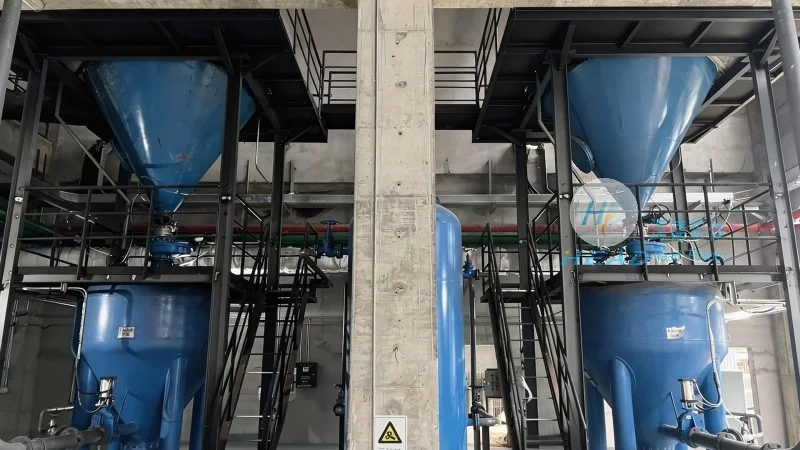
Introduction to Small Stone Powder Conveyors
Small stone powder conveyors are specialized systems engineered to handle the transportation of small stone powders, which are often used in various industrial processes such as construction, mining, and chemical manufacturing. These conveyors are designed to ensure efficient and safe material movement, reducing downtime and operational costs. The equipment typically consists of components like hoppers, feeders, conveyor belts or pipes, and control systems, all working in tandem to achieve optimal performance.
Key Components and Their Functions
The small stone powder conveyor system comprises several key components, each playing a vital role in the overall operation. The hopper serves as the storage and feeding unit, where the small stone powder is collected and fed into the conveyor. The feeder, often a screw or rotary type, regulates the flow rate of the material, ensuring a consistent and controlled discharge into the conveyor. The conveyor itself, which can be a belt conveyor or a pneumatic system, transports the powder from the hopper to the destination. Finally, the control system monitors and adjusts the operation, maintaining the desired flow and preventing overloading or blockages.
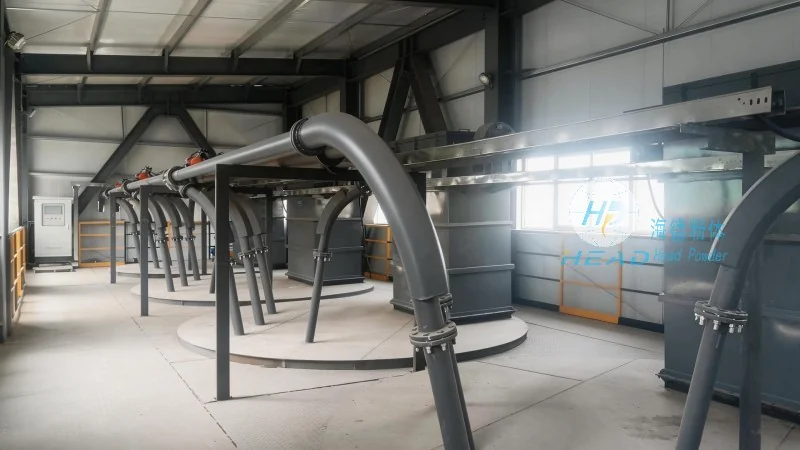
Operation Process of Small Stone Powder Conveyors
The operation of a small stone powder conveyor begins with the loading of the small stone powder into the hopper. Once the hopper is filled, the feeder starts to rotate, gradually releasing the powder into the conveyor. The conveyor then moves the material along its path, either through a belt system or a pneumatic pipeline, depending on the design. The material is transported to the discharge point, where it is collected in a container or transferred to the next processing stage. Throughout the process, the control system continuously monitors the flow rate, pressure, and other parameters to ensure smooth operation and prevent any issues.
Working Principle of Small Stone Powder Conveyors
The working principle of small stone powder conveyors is based on the principles of mechanical or pneumatic transport. In mechanical systems, the conveyor belt or screw rotates, creating a force that moves the powder forward. The friction between the material and the conveyor surface, along with the gravitational force, helps in the material movement. In pneumatic systems, compressed air is used to create a flow that carries the powder through the pipeline. The air pressure and flow rate are carefully controlled to ensure efficient and consistent transport. Both systems are designed to handle fine powders without causing segregation or degradation, maintaining the quality of the small stone powder throughout the conveying process.
Advantages of Using Small Stone Powder Conveyors
Small stone powder conveyors offer several advantages in industrial applications. Firstly, they provide a continuous and efficient method of transporting small stone powders, reducing the need for manual handling and associated labor costs. Secondly, the equipment is designed to minimize material loss and contamination, ensuring the quality of the powder is maintained. Thirdly, the systems are highly customizable, allowing for integration with existing production lines and adaptation to specific operational requirements. Additionally, the use of small stone powder conveyors improves safety in the workplace by reducing the risk of dust exposure and accidents associated with manual handling of powders.
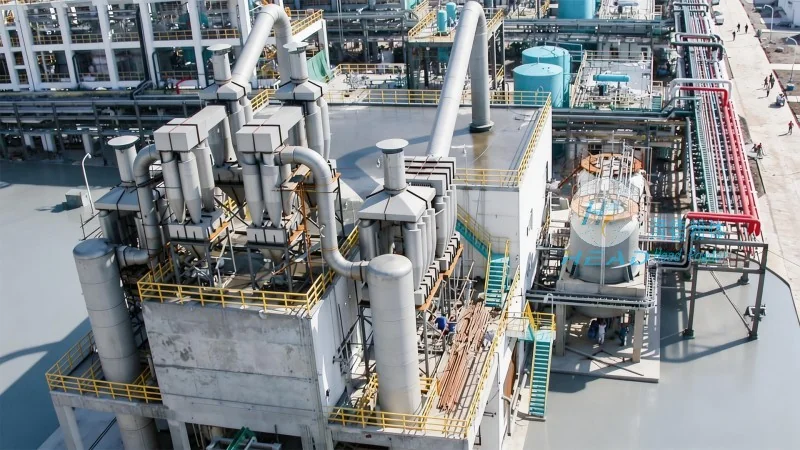
Applications in Industrial Settings
Small stone powder conveyors are widely used in various industrial settings where the handling of fine powders is required. In the construction industry, they are used to transport small stone powders for concrete and mortar production. In the mining industry, they help in the transport of processed powders from crushers and grinders to storage or further processing units. In the chemical industry, they are used to convey powders used in the manufacturing of chemicals and pharmaceuticals. The versatility of small stone powder conveyors makes them an essential component in many production processes, contributing to increased productivity and efficiency.
Maintenance and Operational Tips
To ensure the optimal performance and longevity of small stone powder conveyors, regular maintenance is essential. This includes cleaning the hopper and conveyor components to prevent the accumulation of powder and blockages. The feeder and conveyor belts should be inspected regularly for wear and tear, and replaced as needed. The control system should be checked for proper functionality, ensuring that all sensors and controls are working correctly. Additionally, it is important to follow the manufacturer's guidelines for operation and maintenance, as this will help to prevent issues and extend the life of the equipment. By adhering to these maintenance practices, users can ensure that their small stone powder conveyors operate efficiently and reliably, minimizing downtime and operational costs.