

Operation Process and Working Principle of Gypsum Gray Powder Conveying Machine
For industrial applications involving the handling and transportation of gypsum gray powder, the gypsum gray powder conveying machine plays a crucial role in ensuring efficient material flow and process continuity. This equipment is designed to handle bulk materials with precision, making it an essential component in various production lines. In this article, we will explore the operation process and working principle of such a machine, while also providing insights into the company behind its development and manufacturing—Shandong HeadPowder Engineering Co., Ltd., commonly known as headpowder, based in Shandong, China.
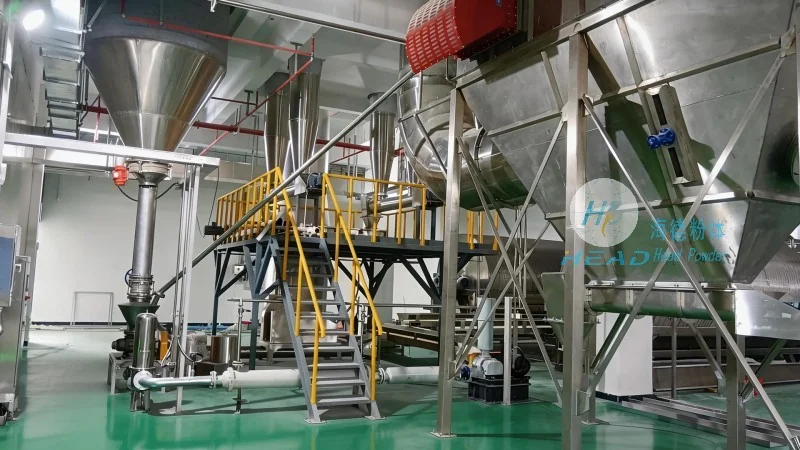
Company Background and Expertise
Shandong HeadPowder Engineering Co., Ltd., operating under the brand name headpowder, is a leading manufacturer in the field of powder handling equipment. With a strong presence in Shandong, China, the company specializes in developing and producing high-quality conveying systems tailored to the needs of different industries. Their expertise lies in understanding the unique challenges of handling materials like gypsum gray powder, which often requires specialized equipment to maintain material integrity and operational efficiency. By leveraging advanced engineering and manufacturing techniques, headpowder ensures that their conveying machines meet the highest standards of performance and reliability.
Overview of the Gypsum Gray Powder Conveying Machine
The gypsum gray powder conveying machine is a sophisticated piece of industrial equipment designed to transport bulk gypsum gray powder from one location to another within a production facility. It is engineered to handle the specific properties of gypsum gray powder, such as its fine particle size and potential for dust generation, while maintaining a consistent flow rate and minimizing material loss. The machine typically consists of several key components, including a hopper for material storage, a conveyor system for transport, and control mechanisms for operation. These components work in harmony to ensure smooth and efficient material handling.
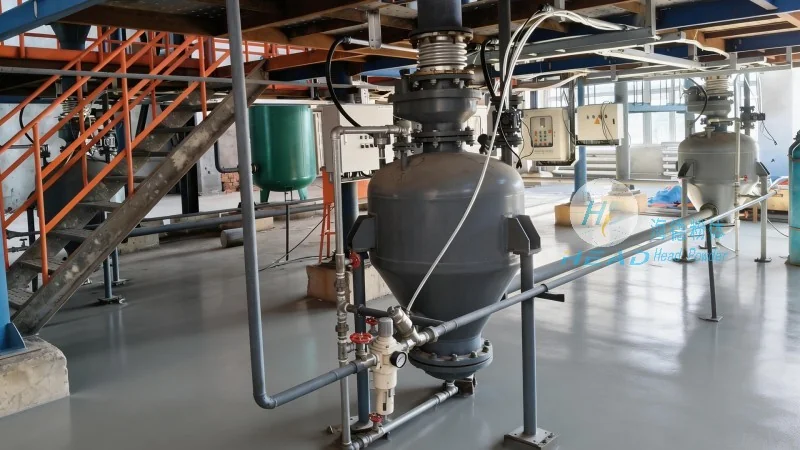
Operation Process of the Gypsum Gray Powder Conveying Machine
The operation of the gypsum gray powder conveying machine involves a series of steps that ensure the material is transported safely and effectively. The process begins with the loading of gypsum gray powder into the hopper. The hopper is designed to hold a sufficient quantity of material to maintain a continuous flow to the conveyor system. Once the hopper is filled, the material is fed into the conveyor via a feeding mechanism, such as a screw or a rotary valve. The conveyor then transports the material through a pipeline or a series of connected sections to the discharge point. The speed of the conveyor can be adjusted to control the flow rate, allowing for precise control over the material output. Additionally, the machine may include safety features such as dust collection systems to manage airborne particles and prevent environmental contamination.
Working Principle of the Gypsum Gray Powder Conveying Machine
The working principle of the gypsum gray powder conveying machine is based on the principles of mechanical transport and material flow. The machine utilizes a combination of gravity and mechanical force to move the powder through the system. The hopper provides a storage area where the material is held under controlled conditions, preventing caking or agglomeration. The feeding mechanism then transfers the material into the conveyor, which may be a screw conveyor, a pneumatic conveyor, or a combination of both, depending on the specific design. For gypsum gray powder, a screw conveyor is often preferred due to its ability to handle fine powders without causing excessive friction or blockages. The screw conveyor consists of a rotating screw inside a tube, which pushes the material forward as it rotates. The speed of the screw determines the flow rate, and the design of the screw (e.g., pitch and diameter) is optimized to handle the specific characteristics of gypsum gray powder. The conveyor system is connected to a discharge outlet, where the material is released into the next stage of the production process. Throughout the operation, the machine is equipped with sensors and control systems to monitor parameters such as flow rate, pressure, and temperature, ensuring optimal performance and preventing potential issues like blockages or overloading.
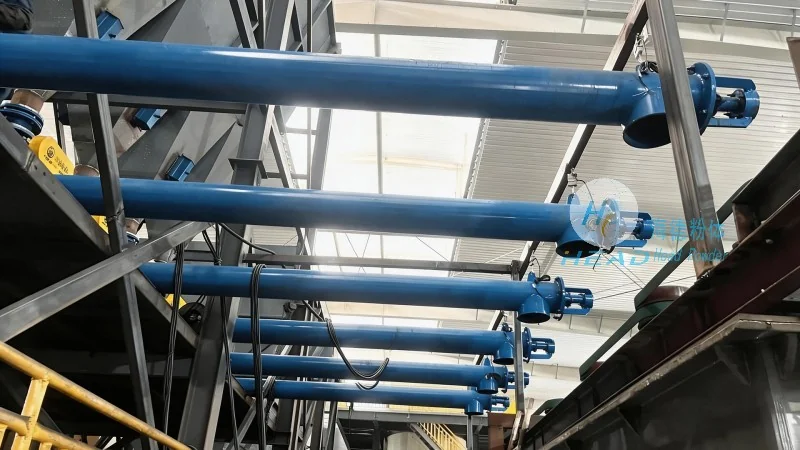
Key Features and Benefits
The gypsum gray powder conveying machine offered by headpowder features several key attributes that enhance its performance and usability. These include a robust construction to withstand the rigors of continuous operation, advanced control systems for precise operation, and integrated dust collection to maintain a clean working environment. The machine is designed to handle high volumes of gypsum gray powder with minimal maintenance, reducing downtime and operational costs. Additionally, the equipment is customizable to meet specific customer requirements, such as different material capacities, conveyor lengths, and discharge configurations. This flexibility allows headpowder to provide tailored solutions that address the unique needs of each client, ensuring optimal performance in their respective production environments.
Conclusion
In conclusion, the gypsum gray powder conveying machine is a vital piece of equipment for industries dealing with gypsum gray powder, providing efficient and reliable material transport. The operation process, which involves loading, feeding, conveying, and discharging, is carefully designed to ensure smooth material flow. The working principle, based on mechanical transport and controlled material handling, leverages advanced engineering to handle the specific properties of gypsum gray powder. With a strong background in powder handling equipment, Shandong HeadPowder Engineering Co., Ltd. (headpowder) has developed a range of conveying machines that meet the demands of modern industrial applications. By understanding the operation process and working principle of such a machine, users can appreciate the importance of proper equipment selection and maintenance in achieving efficient and sustainable material handling processes.