

Operation Process and Working Principle of White Powder Material Conveying
White powder material conveying systems are essential in various industrial applications, ensuring efficient and safe transportation of bulk materials like white powders. Understanding the operation process and working principle is crucial for optimizing performance and maintaining system reliability.
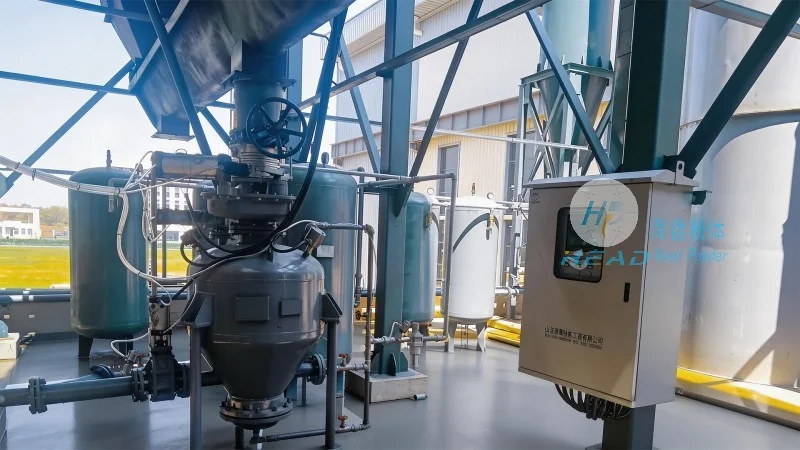
Overview of White Powder Material Conveying Systems
White powder material conveying systems are designed to transport bulk white powders from one location to another within industrial facilities. These systems are commonly used in industries such as pharmaceuticals, food processing, chemical manufacturing, and more. The primary goal is to move materials efficiently while minimizing dust generation, product contamination, and energy consumption.
Key Components of White Powder Conveying Systems
White powder material conveying systems typically consist of several key components that work together to achieve the desired material transport. These components include hoppers for material storage, feeders to control the flow rate, conveying mechanisms (like screw conveyors, pneumatic systems, or belt conveyors), and control systems to regulate operation. Each component plays a vital role in ensuring smooth and consistent material movement.
The Operation Process of White Powder Material Conveying
The operation process of white powder material conveying begins with material loading into the hopper. The material is then fed into the conveying system through a feeder, which controls the flow rate to prevent overloading or underflow. The conveying mechanism then transports the material through the system, often using air pressure (in pneumatic systems) or mechanical force (in screw or belt systems). The material is delivered to the discharge point, where it is collected for further processing or storage. Throughout the process, the system monitors parameters like pressure, flow rate, and temperature to ensure optimal performance and safety.
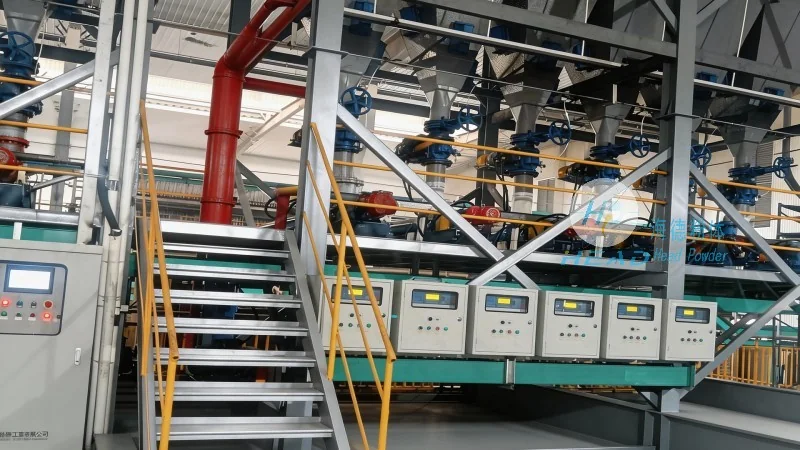
Working Principle of White Powder Material Conveying
The working principle of white powder material conveying varies depending on the type of system used. For pneumatic conveying systems, the principle involves using compressed air to create a flow that transports the powder particles through a pipeline. The air pressure and velocity are carefully controlled to maintain a stable flow and prevent particle segregation or blockages. In mechanical conveying systems, such as screw or belt conveyors, the principle relies on mechanical force to move the material along a path. The screw or belt rotates, pushing the powder forward, and the system is designed to handle different powder characteristics, including particle size, density, and moisture content.
Advantages of White Powder Material Conveying Systems
White powder material conveying systems offer several advantages over traditional manual handling methods. These include improved safety by reducing human exposure to dust and hazardous materials, increased efficiency through automated material transport, and better product quality by minimizing contamination and segregation. Additionally, these systems can handle large volumes of material, reducing labor costs and improving overall operational productivity.
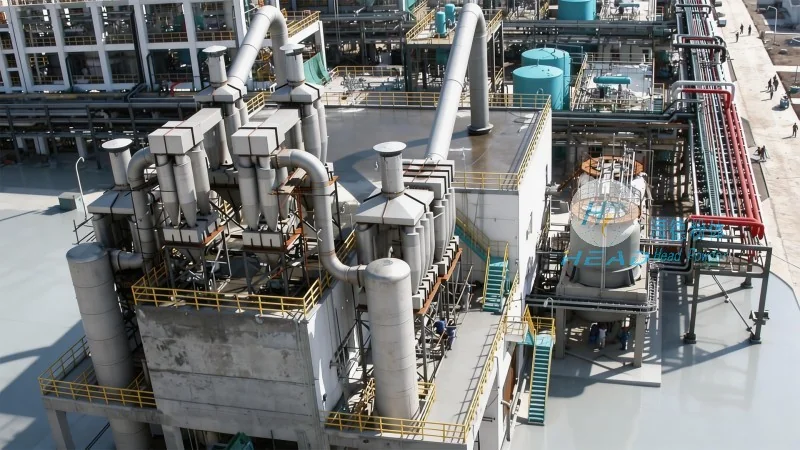
Applications in Different Industries
White powder material conveying systems are widely used across various industries due to their versatility and adaptability. In the pharmaceutical industry, they are used to transport active pharmaceutical ingredients (APIs) and excipients with high purity requirements. In food processing, they handle ingredients like flour, sugar, and spices, ensuring consistent quality and hygiene. In chemical manufacturing, they transport powders like catalysts and reagents, maintaining process efficiency and safety. Each application requires specific system configurations to meet industry standards and regulatory requirements.
Maintenance and Operational Considerations
Proper maintenance is essential to ensure the long-term performance and reliability of white powder material conveying systems. Regular cleaning of hoppers, feeders, and conveying lines is necessary to prevent material buildup and blockages. The system's control components, such as sensors and valves, should be inspected and calibrated periodically to maintain accurate operation. Additionally, monitoring for signs of wear and tear, such as increased pressure drops or reduced flow rates, can help identify potential issues before they cause system failures. Proper operational training for personnel is also crucial to ensure safe and efficient system use.
Conclusion
White powder material conveying systems are critical components in modern industrial operations, providing efficient and reliable transportation of bulk materials. By understanding the operation process and working principle, industries can optimize their systems to meet specific requirements, improve productivity, and ensure compliance with safety and quality standards. The continued development of advanced materials and control technologies further enhances the capabilities of these systems, making them indispensable in various sectors.