

The Operation Process and Working Principle of Soybean Meal Material Handling
At Shandong HeadPowder Engineering Co., Ltd., we specialize in the design, manufacturing, and implementation of efficient material handling systems tailored for the soybean meal industry. Our expertise lies in ensuring that the process of transporting soybean meal from processing to storage or further applications is optimized for reliability, efficiency, and safety. This article delves into the detailed operation process and underlying working principles of our soybean meal material handling solutions, highlighting the key components and steps involved in a typical system.
Key Components of the Soybean Meal Material Handling System
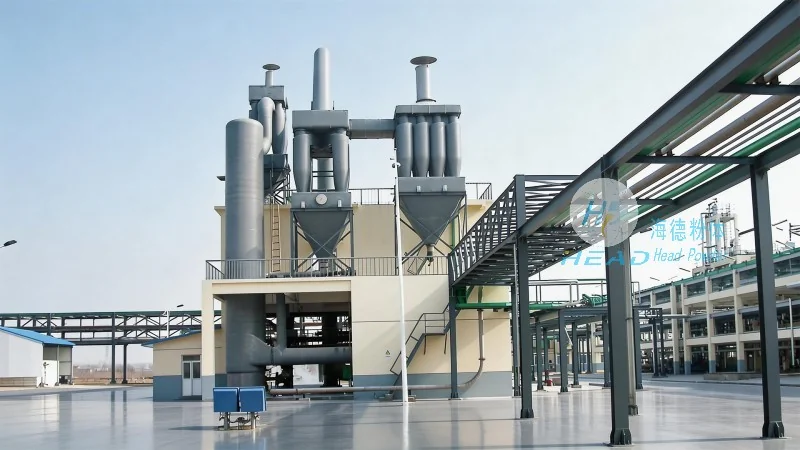
The soybean meal material handling system typically comprises several critical components that work in concert to ensure smooth operation. These include bulk material feeders, conveyor systems (such as belt conveyors or screw conveyors), storage silos or hoppers, and control panels. Each component is engineered to handle the specific characteristics of soybean meal, which includes its granular texture, moisture content, and potential for dust generation. The feeders are designed to uniformly distribute the material into the conveyor, while the conveyors transport it to the desired location with minimal loss or degradation. Storage silos are often equipped with aeration systems to maintain the quality of the meal by controlling moisture levels, preventing spoilage, and ensuring consistent product quality.
The Step-by-Step Operation Process
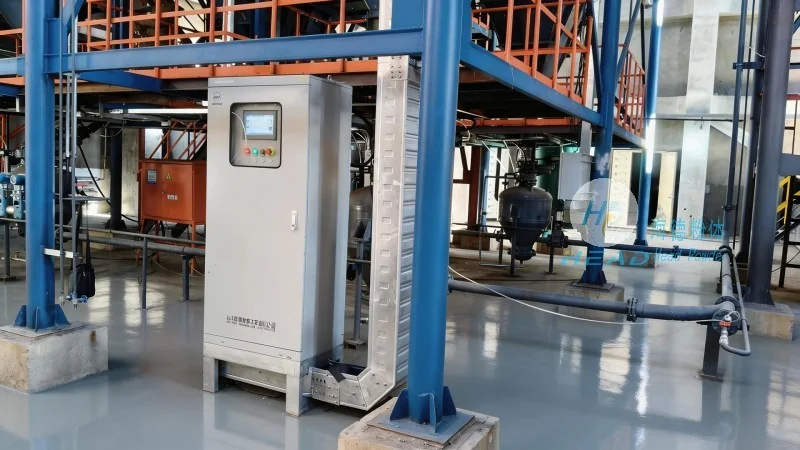
The operation of the soybean meal material handling system follows a systematic sequence of steps that ensure the material is moved efficiently from one stage to the next. The process begins with the loading of soybean meal into the initial hopper or storage silo. From there, the material is fed into the conveyor system through a feeder mechanism. The feeder regulates the flow rate, ensuring a consistent and controlled discharge of the meal into the conveyor. The conveyor then transports the material to the next processing or storage stage. At each stage, sensors and control systems monitor the flow rate, pressure, and other parameters to maintain optimal performance. The system may also include automatic shut-off mechanisms to prevent overfilling or blockages, enhancing safety and preventing material waste.
Working Principles of the Material Handling Mechanisms
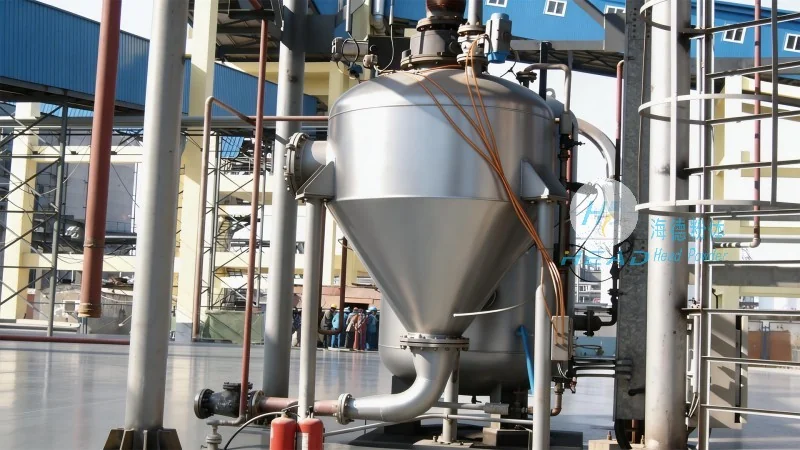
The working principles of the soybean meal material handling system are based on mechanical and pneumatic engineering principles tailored to the properties of soybean meal. For instance, belt conveyors utilize friction and gravity to move the material along a path. The belt, often made of durable materials like rubber or plastic, is driven by a motor and pulley system, pulling the meal forward. Screw conveyors, on the other hand, use a rotating screw to push the material forward, which is particularly effective for handling materials with higher moisture content or those prone to clogging. The control panels integrate sensors such as level detectors, flow meters, and pressure sensors to provide real-time data and automate the operation. This integration allows for precise control over the entire process, ensuring that the material is handled in a manner that minimizes degradation and maximizes efficiency.
Ensuring Efficiency and Reliability in Soybean Meal Handling
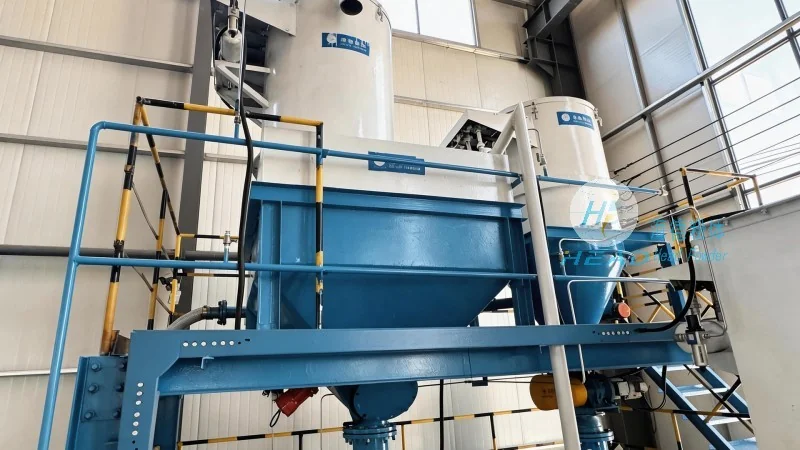
Efficiency and reliability are paramount in soybean meal material handling, as any disruptions can lead to production delays or quality issues. Our systems are designed with robust components and advanced control technologies to minimize downtime and maximize throughput. Regular maintenance schedules are recommended to keep the equipment in optimal condition, including cleaning of conveyor belts, lubrication of moving parts, and calibration of sensors. Additionally, the use of high-quality materials and corrosion-resistant components ensures that the system can withstand the harsh conditions often encountered in the soybean processing industry. By adhering to these principles, our material handling solutions help clients achieve consistent product quality, reduce operational costs, and enhance overall productivity.