

Operation Process and Working Principle of PTA Material Handling Systems
PTA (Polyethylene Terephthalate Acid) is a fundamental raw material in the production of polyester fibers and resins. The efficiency and reliability of material handling systems are paramount to ensuring smooth operations within PTA processing facilities. This article delves into the operation process and working principle of PTA material handling systems, detailing the key components, control mechanisms, and operational procedures that underpin their effectiveness.
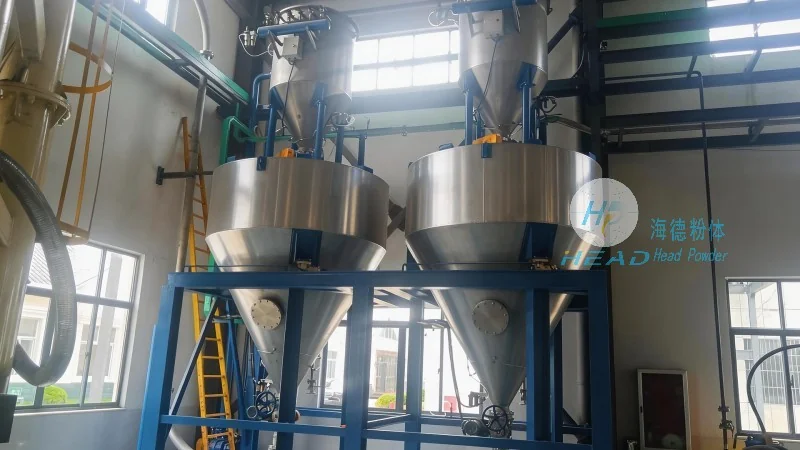
Overview of PTA Material Handling Systems
PTA material handling systems are engineered to transport PTA pellets or granules from storage silos to processing units, such as reactors or crystallizers. These systems are typically integrated into larger industrial complexes, requiring precise coordination with other equipment like reactors, dryers, and packaging machinery. The design of these systems emphasizes factors like material flow rate, energy efficiency, and safety, ensuring PTA is handled without degradation or contamination.
Key Components and Their Roles
The PTA material handling system comprises several interconnected components, each serving a critical function. The primary components include bulk storage silos, conveyor systems (including belt conveyors and screw conveyors), pneumatic conveying lines, and material handling equipment like bucket elevators. Each component is selected based on PTA's physical properties, such as density, flowability, and dust generation potential.
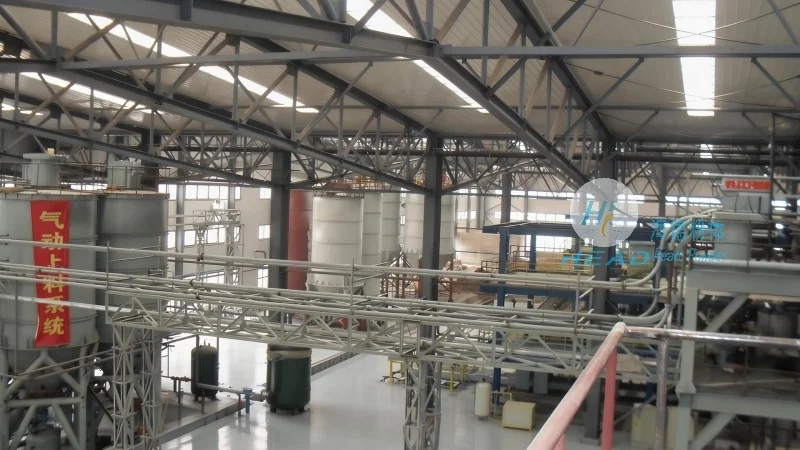
Bulk storage silos store large quantities of PTA, equipped with level sensors and discharge valves to regulate material flow. Conveyor systems, particularly belt conveyors, handle horizontal and inclined transport with high capacity and low maintenance. Screw conveyors are ideal for vertical or inclined transport, ensuring consistent movement. Pneumatic conveying systems utilize air pressure to move PTA particles through pipelines, suitable for long-distance or high-velocity transport.
Working Principle of the Material Handling Process
The operation of a PTA material handling system follows a systematic sequence, starting from the storage silo and ending at the processing unit. The process begins with material discharge from the silo into a conveyor system. The conveyor transports PTA to a transfer point, directing it to the next stage. For example, a belt conveyor may move PTA to a bucket elevator, which lifts the material to a higher level for further processing.
Control mechanisms ensure smooth operation, including motor drives, speed controllers, and level sensors that monitor material flow and adjust conveyor speed as needed. The control system manages pneumatic line pressure and flow rate, preventing blockages and ensuring consistent delivery. Safety features like emergency stop buttons and dust suppression systems protect operators and maintain a safe environment.
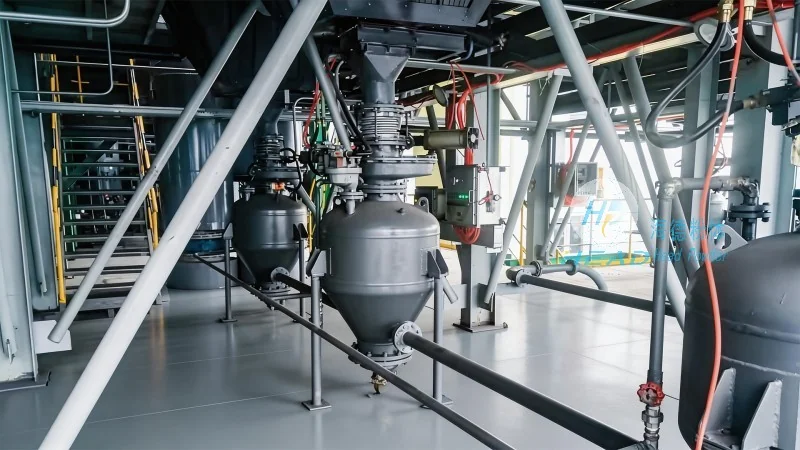
Operational Procedures and Maintenance
Proper operational procedures and regular maintenance are essential for system efficiency and longevity. Routine inspections of conveyor belts, silo cleaning, and worn part replacement are standard practices. Trained personnel follow standardized protocols for equipment start-up, stoppage, and monitoring. Any deviations from normal operation are promptly addressed to prevent downtime.
About Shandong HeadPowder Engineering Co., Ltd.
Shandong HeadPowder Engineering Co., Ltd., a leading provider of material handling solutions, specializes in designing and manufacturing PTA material handling systems tailored to chemical industry needs. With a focus on innovation and quality, the company has developed advanced systems that enhance productivity and safety in PTA processing plants. HeadPowder's expertise in material handling technology ensures systems are reliable, efficient, and compliant with industry standards. The company is headquartered in Shandong, China, serving global clients with customized solutions for material handling challenges.