

Operation Process and Working Principle of Gray Calcium Material Handling System
Gray calcium material handling systems are critical components in industrial operations, particularly in facilities that process and transport calcium-based materials. These systems are designed to efficiently move raw or processed gray calcium from storage areas to processing units or for distribution. The operation and working principles of such systems are essential for ensuring smooth production workflows, maintaining material integrity, and optimizing operational efficiency. In this article, we will explore the detailed operation process and working principles of gray calcium material handling systems, with a focus on the expertise of Shandong HeadPowder Engineering Co., Ltd., a leading provider in the field.
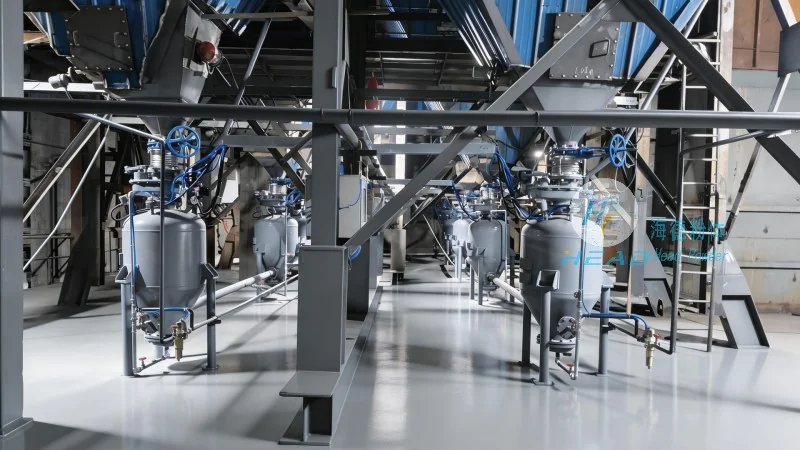
Company Background: HeadPowder
Shandong HeadPowder Engineering Co., Ltd., commonly known as HeadPowder, is a reputable company based in Shandong, China. With years of experience in engineering and manufacturing material handling solutions, HeadPowder specializes in designing and implementing systems tailored to the unique needs of industrial clients. The company's commitment to quality, innovation, and customer satisfaction has established it as a trusted partner for businesses requiring reliable gray calcium material handling systems. HeadPowder's team of engineers and technicians work closely with clients to understand their operational requirements, ensuring that the final system meets all safety standards and performance expectations.
Overview of the Material Handling Process
The operation process of a gray calcium material handling system typically begins with the reception and storage of raw materials. In many industrial settings, gray calcium is received in bulk, often in trucks or railcars, and is transferred to a storage silo or hopper. This initial step ensures that the material is kept in a controlled environment, preventing contamination and maintaining its quality. Once stored, the system initiates the material flow by activating the primary conveying equipment, such as a belt conveyor or a screw conveyor. The conveyor system transports the gray calcium from the storage area to the processing or packaging units. The process may involve multiple stages, including intermediate storage or blending, depending on the specific requirements of the production line.
Key Components and Their Functions
A gray calcium material handling system consists of several key components, each playing a vital role in the overall operation. The primary components include storage silos or hoppers, conveying equipment (e.g., belt conveyors, bucket elevators), control systems, and safety devices. Storage silos are designed to hold large quantities of gray calcium, providing a stable and controlled environment for the material. Belt conveyors are commonly used for horizontal or slightly inclined transport, offering high capacity and low maintenance. Bucket elevators are ideal for vertical transport, efficiently moving material from lower to higher levels. The control system, often integrated with sensors and automation technology, monitors the flow rate, pressure, and other parameters to ensure smooth operation and prevent overloading or blockages. Safety devices, such as emergency stop buttons and overload protection, are crucial for maintaining operational safety and protecting both equipment and personnel.
Working Principle of the System
The working principle of a gray calcium material handling system is based on mechanical and hydraulic principles, combined with advanced control technology. The system operates by converting electrical energy into mechanical energy to drive the conveying equipment. For example, a belt conveyor uses a motor to rotate the drive pulley, which in turn moves the belt and transports the material. The speed of the conveyor can be adjusted to control the flow rate, allowing for precise material handling. In vertical transport, a bucket elevator uses a chain or belt with attached buckets to lift the material, with the buckets rotating and emptying at the top of the elevator. The control system plays a critical role in coordinating the operation of these components, ensuring that the material moves in a continuous and controlled manner. Sensors are used to detect the level of material in the storage silos and the position of the conveyor, providing real-time data to the control system. This data is used to adjust the system's parameters, such as the speed of the conveyor or the opening of a valve, to maintain optimal performance.
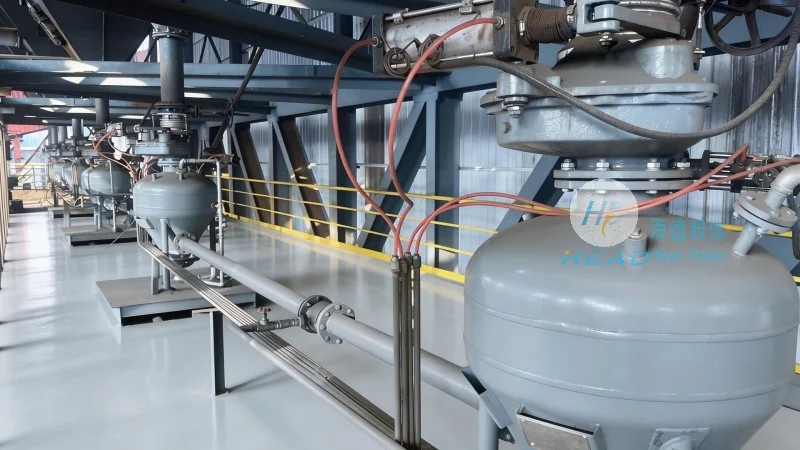
Operational Steps and Flowchart
The operation process of a gray calcium material handling system can be broken down into several sequential steps. The flowchart below illustrates the typical workflow:
1. **Material Reception**: Raw gray calcium is received in bulk and transferred to the storage silo.
2. **Storage and Conditioning**: The material is stored in the silo, where it may undergo conditioning (e.g., drying or cooling) to improve its flow properties.
3. **Material Release**: The control system signals the opening of the silo outlet, allowing the material to flow into the primary conveyor.
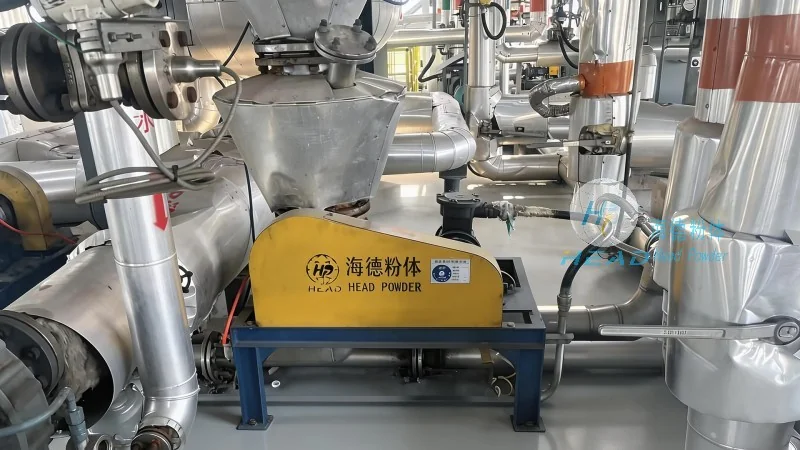
4. **Conveying**: The conveyor transports the material to the processing or packaging unit.
5. **Processing or Packaging**: The material is processed (e.g., grinding, blending) or packaged for distribution.
6. **System Monitoring**: The control system continuously monitors the system's performance, adjusting parameters as needed.
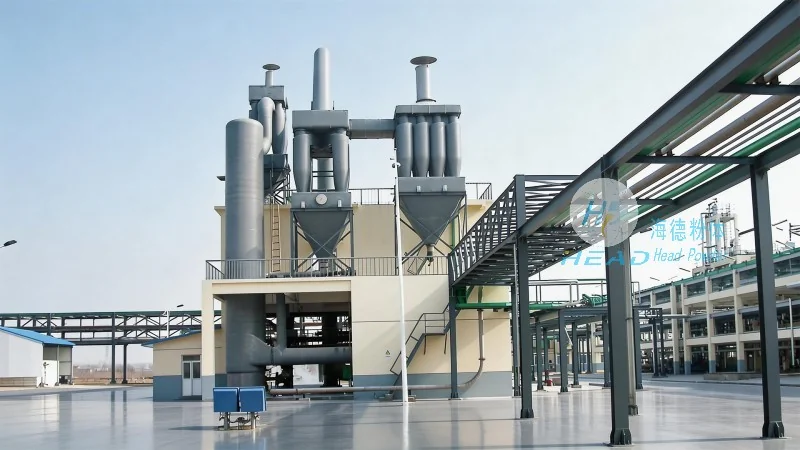
7. **Safety Checks**: Regular safety checks are performed to ensure all components are functioning correctly and that safety devices are operational.
Efficiency and Performance Considerations
Efficiency and performance are key factors in the operation of gray calcium material handling systems. HeadPowder's systems are designed to maximize throughput while minimizing energy consumption and maintenance costs. The choice of conveying equipment, such as belt conveyors or bucket elevators, depends on the specific characteristics of the gray calcium, including its bulk density, flowability, and moisture content. For example, a belt conveyor is suitable for materials with good flowability, while a bucket elevator is preferred for materials that are more cohesive or have a higher bulk density. The control system's ability to adjust the conveyor speed and other parameters in real-time ensures that the system operates at its optimal efficiency, reducing downtime and increasing productivity.
Reliability and Maintenance
Reliability is a critical aspect of gray calcium material handling systems, as any downtime can significantly impact production. HeadPowder's systems are built with high-quality components and robust construction to ensure long-term reliability. Regular maintenance is essential to keep the system in optimal condition. This includes routine checks of the conveyor belts, motor bearings, and control system components. HeadPowder provides comprehensive maintenance services, including preventive maintenance plans and on-site support, to minimize downtime and extend the lifespan of the equipment. The company's expertise in material handling systems ensures that clients receive reliable and efficient solutions that meet their operational needs.
Conclusion
Gray calcium material handling systems are essential for the efficient and safe operation of industrial facilities processing calcium-based materials. The operation process involves several steps, from material reception and storage to conveying and processing. The working principles are based on mechanical and control technologies, with the system designed to optimize performance and reliability. Shandong HeadPowder Engineering Co., Ltd. (HeadPowder) is a leading provider of such systems, offering tailored solutions that meet the unique needs of industrial clients. By understanding the operation process and working principles of gray calcium material handling systems, businesses can ensure smooth production workflows, maintain material quality, and achieve optimal operational efficiency. HeadPowder's expertise and commitment to quality make it a trusted partner for businesses seeking reliable material handling solutions.