

Operation Process and Working Principle of Feather Material Conveying System
Feather material conveying systems are specialized equipment designed to handle and transport feather materials efficiently and safely. These systems are commonly used in the poultry processing industry, where the handling of raw feather materials is a critical step in the production workflow. The proper operation of such systems ensures minimal material loss, reduced labor costs, and enhanced overall productivity.
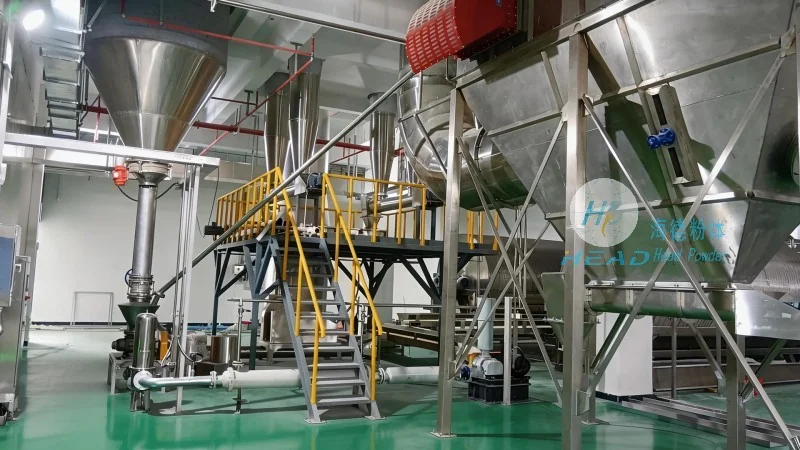
Overview of Feather Material Conveying Systems
Feather material conveying systems typically consist of several key components, including feed hoppers, conveyor belts or rollers, control panels, and sometimes pneumatic or mechanical separation units. The design of these systems is tailored to the specific characteristics of feather materials, which are lightweight, irregularly shaped, and prone to static electricity. The system's architecture is engineered to address these challenges, ensuring smooth and continuous material flow from the initial feeding stage to the final discharge point.
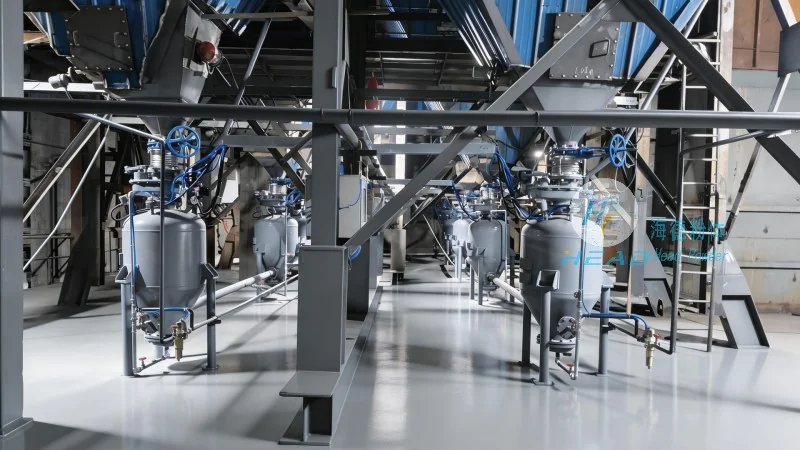
The Operation Process of Feather Material Conveying Systems
The operation process of a feather material conveying system begins with the loading of raw feather materials into the feed hopper. The hopper is designed with a sloped surface to facilitate the natural flow of the lightweight material. As the material accumulates, it is gradually discharged onto the conveyor belt or rollers, which then transport the feathers through the system. The conveyor system may include multiple sections, each with adjustable speed and direction controls, allowing for precise control over the material's movement. At various points along the conveyor, there may be additional components such as air knives or vibration plates to assist in separating feathers from other materials or to prevent blockages.
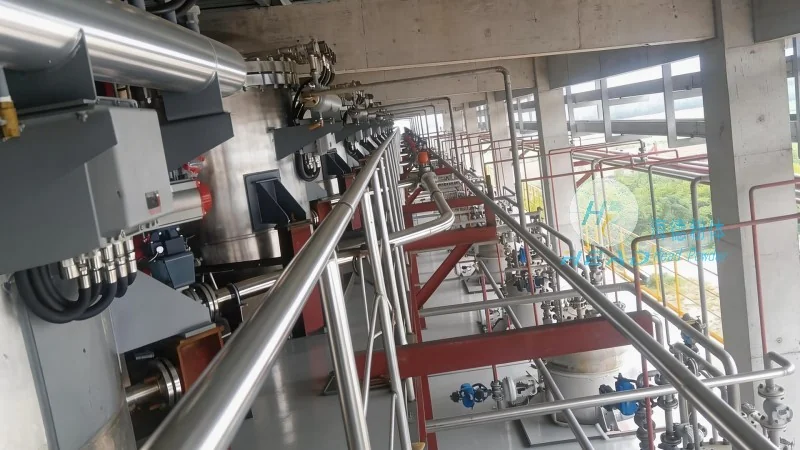
Working Principle of Feather Material Conveying Systems
The working principle of a feather material conveying system is based on the combination of mechanical and sometimes pneumatic forces. The primary mechanism involves the use of conveyor belts or rollers that move the feathers along a predetermined path. The speed and tension of the conveyor belt are carefully regulated to maintain consistent material flow without causing damage to the delicate feather structures. In some advanced systems, pneumatic components are integrated to assist with material separation or to provide additional support for the conveyor operation. The control panel, equipped with sensors and digital displays, monitors the system's performance in real-time, allowing operators to adjust parameters as needed to optimize efficiency and prevent downtime.
Key Features and Benefits of Feather Material Conveying Systems
Modern feather material conveying systems are equipped with several features that enhance their functionality and reliability. These include variable speed drives for flexible operation, automatic cleaning mechanisms to prevent material buildup, and integrated safety sensors to detect and stop the system in case of obstructions. The benefits of using such systems include improved material handling efficiency, reduced labor requirements, and enhanced product quality through minimized damage to feathers. Additionally, the systems are designed to be easy to maintain, with accessible components that allow for quick repairs and routine maintenance.
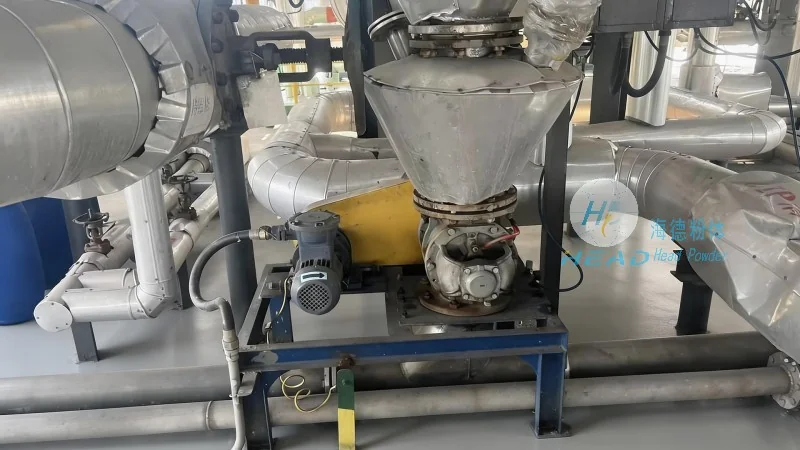
About Shandong HeadPowder Engineering Co., Ltd.
Shandong HeadPowder Engineering Co., Ltd., operating under the brand name headpowder, is a leading manufacturer of specialized conveying systems for the poultry processing industry. With a focus on innovation and customer satisfaction, the company has developed a range of high-quality feather material conveying solutions tailored to meet the diverse needs of its clients. HeadPowder's systems are known for their durability, efficiency, and user-friendly design, making them a preferred choice for businesses seeking to optimize their feather material handling processes. The company's headquarters is located in Shandong, China, where it continues to invest in research and development to stay at the forefront of the industry.