

Operation Process and Working Principle of Red Mud Material Handling System
Red mud, a byproduct of bauxite processing in the aluminum industry, poses significant challenges for handling and disposal due to its high alkalinity, abrasive properties, and environmental impact. The efficient operation of a red mud material handling system is crucial for industrial plants to manage this waste stream while ensuring compliance with environmental regulations. This article provides a detailed overview of the operation process and working principle of such a system, highlighting key components, operational procedures, and technical considerations.
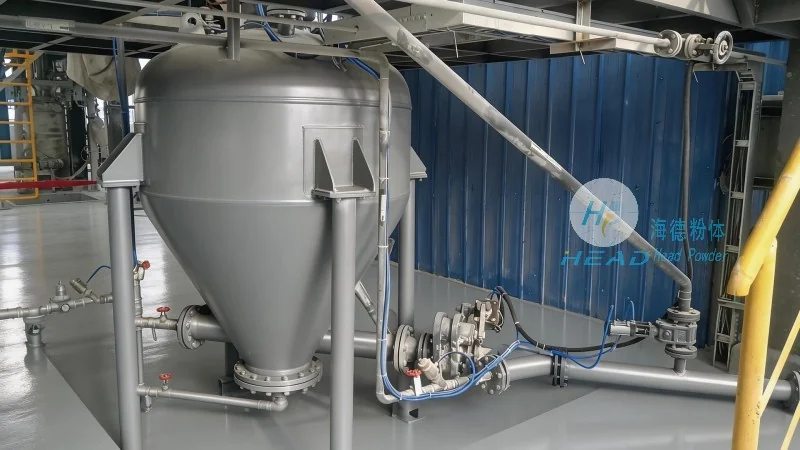
System Overview and Key Components
The red mud material handling system typically consists of several integrated components designed to handle the bulk material from collection to storage or further processing. The primary components include feed hoppers, conveyor systems (such as belt conveyors or screw conveyors), pumping equipment (for slurry transport), storage silos or tanks, and control panels. Each component plays a vital role in the seamless flow of red mud, ensuring minimal downtime and optimal performance.
Company Profile: Shandong HeadPowder Engineering Co., Ltd.
HeadPowder, a leading engineering firm based in Shandong, China, specializes in the design, manufacturing, and installation of industrial material handling systems. With years of experience in the aluminum and mining sectors, the company has developed advanced solutions tailored to the unique challenges of red mud processing. The company’s expertise in system integration, material handling technology, and environmental compliance makes it a trusted partner for industrial clients seeking reliable red mud management solutions.
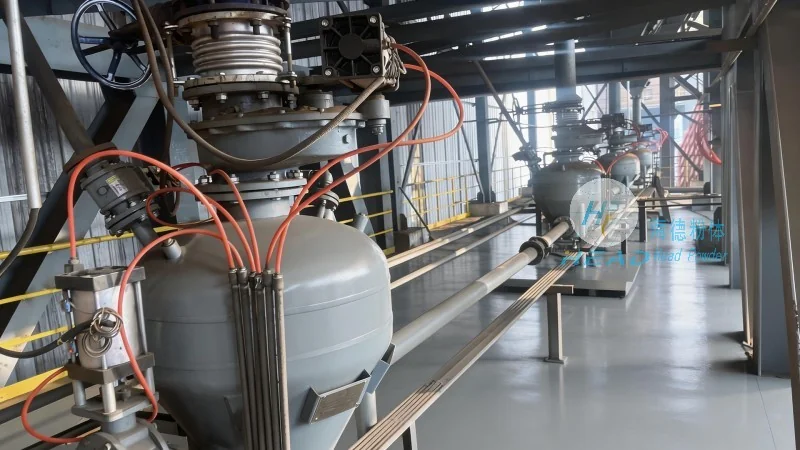
Operation Process: Step-by-Step Workflow
The operation of the red mud material handling system follows a systematic workflow that ensures the safe and efficient transfer of material. The process begins with the collection of red mud from the bauxite digestion or precipitation stages. The material is then fed into a hopper equipped with a feeding mechanism, such as a rotary valve or a screw feeder, which regulates the flow rate into the conveyor system. The conveyor transports the red mud to the next stage, where it may be pumped as a slurry or transferred to a storage facility.
During the transport phase, the system utilizes advanced control technologies to monitor and adjust parameters such as flow rate, pressure, and temperature. Sensors and indicators are integrated into the control panel to provide real-time feedback on the system's performance, allowing operators to identify and address any issues promptly. The control panel, located in a central position, enables remote monitoring and adjustment of the entire system, enhancing operational efficiency and safety.
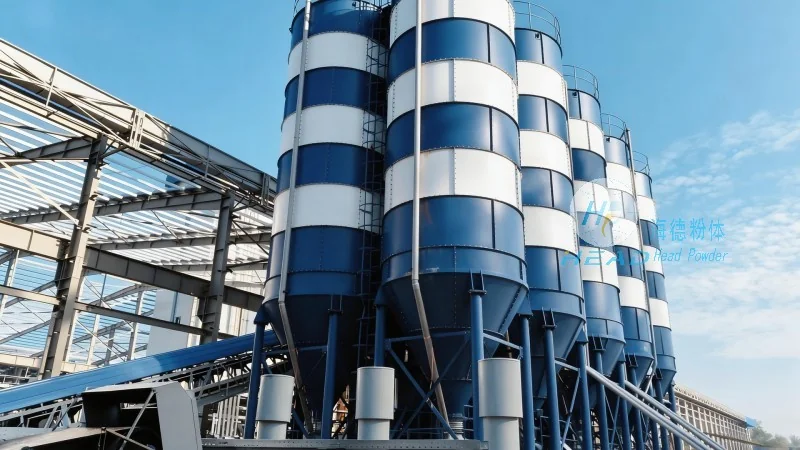
Working Principle: Mechanisms and Technologies
The working principle of the red mud material handling system relies on a combination of mechanical, hydraulic, and electrical technologies to achieve reliable material transport. The conveyor system, for example, uses a belt or screw mechanism to move the red mud along a designated path. The belt conveyor is commonly used for dry or semi-dry red mud, while the screw conveyor is suitable for handling wet or slurry materials. Both systems are designed to withstand the abrasive nature of red mud, with reinforced components and protective coatings to extend their service life.
Pumping equipment, such as centrifugal or diaphragm pumps, is employed when the red mud needs to be transported over longer distances or to higher elevations. These pumps are equipped with wear-resistant liners and impellers to handle the high solid content and abrasive properties of the slurry. The system also incorporates filtration and dewatering units to reduce the moisture content of the red mud before storage or disposal, minimizing environmental impact and improving material handling efficiency.
Technical Considerations and Maintenance
Effective operation of the red mud material handling system requires regular maintenance and adherence to technical guidelines. The system components, particularly the conveyor belts and pump liners, are prone to wear and tear due to the abrasive nature of red mud. Regular inspection and replacement of worn parts are essential to prevent system failures and ensure continuous operation. Additionally, the control system must be calibrated and tested periodically to maintain optimal performance and safety.
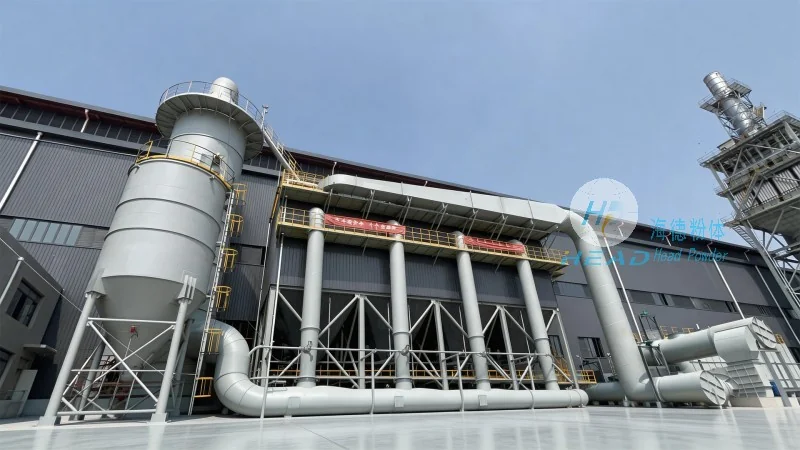
Environmental considerations are also critical in the operation of red mud handling systems. The system is designed to minimize dust emissions and prevent contamination of the surrounding environment. Dust suppression systems, such as water sprayers or enclosed conveyor sections, are integrated into the design to control airborne particles. Proper waste management practices, including the collection of spillage and the disposal of used components, are also implemented to comply with local regulations and protect the environment.
Conclusion
The operation of a red mud material handling system is a complex process that requires a combination of advanced technology, careful planning, and regular maintenance. By understanding the working principle and operational workflow, industrial plants can optimize their red mud management processes, reduce operational costs, and minimize environmental impact. With the expertise of companies like Shandong HeadPowder Engineering Co., Ltd., industries can implement reliable and efficient red mud handling solutions that meet both operational and regulatory requirements.