

Operation Process and Working Principle of Cement Gray Material Conveying System
HeadPowder, a leading engineering company based in Shandong, China, specializes in the design, manufacturing, and installation of advanced material conveying systems. The cement gray material conveying system is a critical component in various industrial applications, ensuring efficient and reliable transportation of bulk materials such as cement, fly ash, and other powders. This system is engineered to meet the demanding requirements of modern construction and manufacturing industries, offering high performance, durability, and operational efficiency.
Key Components of the Material Conveying System
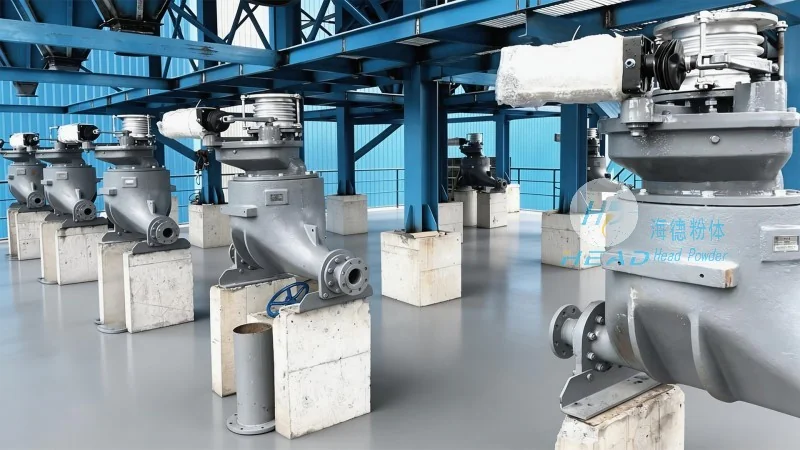
The cement gray material conveying system comprises several essential components that work in tandem to facilitate smooth material transport. These include the hopper, which serves as the material storage and feeding unit; the conveyor belt or screw conveyor, responsible for moving the material from the hopper to the discharge point; the drive system, which provides the necessary power to operate the conveyor; and the control panel, which monitors and regulates the system's operation. Each component is carefully selected and integrated to ensure optimal performance and minimal downtime.
Operation Process of the System
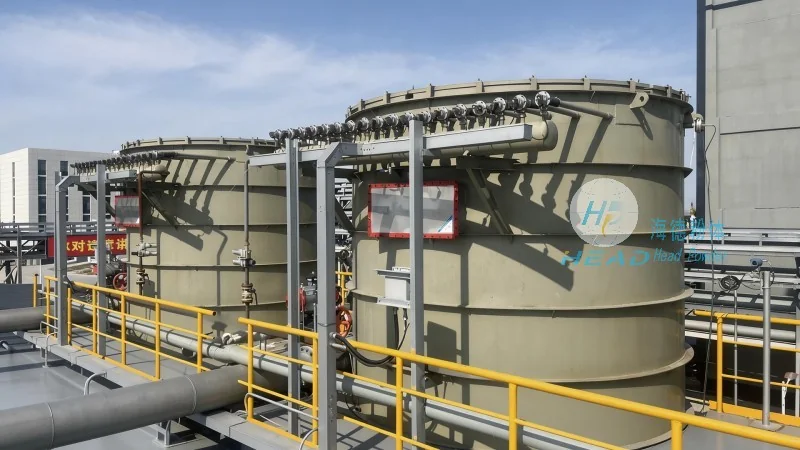
The operation of the cement gray material conveying system begins with the loading of material into the hopper. The material is then fed into the conveyor system through a feeding mechanism, such as a rotary valve or a feeder. The conveyor belt or screw mechanism then transports the material along the designated path, ensuring consistent and controlled movement. The system's control panel allows operators to adjust the speed and flow rate of the conveyor, adapting to varying production demands. The material is discharged at the end of the conveyor, where it is collected and prepared for further processing or use.
Working Principle of the System
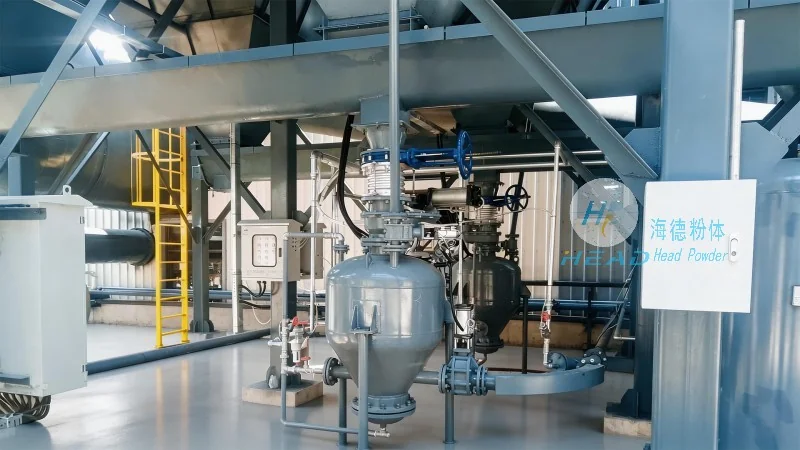
The working principle of the cement gray material conveying system is based on mechanical energy transfer and material flow dynamics. The hopper stores the bulk material and maintains a consistent feed rate through the feeding mechanism. The conveyor system, whether belt or screw, uses rotational motion to move the material forward. The drive system, typically an electric motor, provides the power to rotate the conveyor components. The control panel uses sensors and feedback mechanisms to monitor the system's performance, ensuring that the material flow is stable and the system operates within safe parameters. This integrated approach ensures that the system can handle high volumes of material while maintaining precision and reliability.
Advantages and Applications
The cement gray material conveying system offers several advantages that make it suitable for a wide range of industrial applications. Its design allows for efficient material handling, reducing labor costs and increasing production throughput. The system is also highly durable, with components constructed from corrosion-resistant materials to withstand the harsh conditions of material transport. Additionally, the system's modular design enables easy customization and integration with existing industrial setups. Common applications include cement production lines, power plants, and construction sites, where the reliable transport of bulk materials is essential for operational efficiency.
Maintenance and Safety Considerations
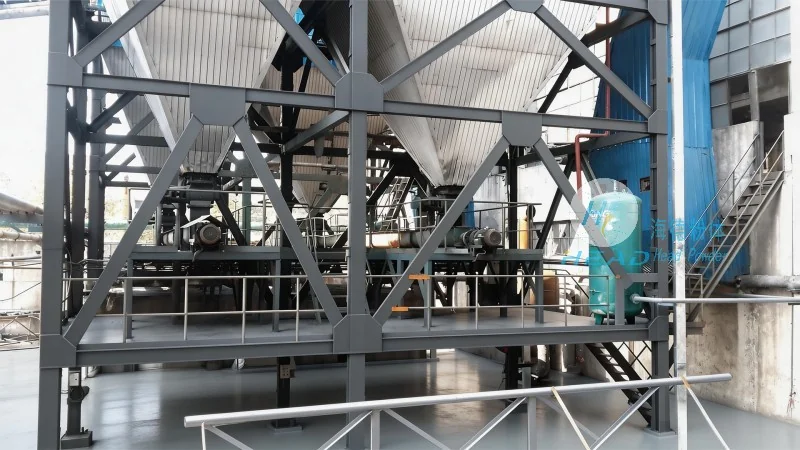
To ensure the long-term performance and safety of the cement gray material conveying system, regular maintenance is crucial. This includes inspecting the conveyor belt or screw for wear and tear, checking the drive system for proper lubrication, and verifying the functionality of the control panel and sensors. Regular cleaning of the hopper and conveyor components is also necessary to prevent material buildup and blockages. Safety considerations are paramount in operating the system, as the high-speed movement of the conveyor and the presence of bulk materials pose potential hazards. Proper training for operators, the use of safety guards, and adherence to safety protocols are essential to minimize risks and ensure a safe working environment.