

Operation Process and Working Principle of Phosphorus Pentachloride Material Handling System
Phosphorus pentachloride (PCl5) is a critical chemical reagent widely used in various industrial applications, including pharmaceuticals, agrochemicals, and specialty chemicals. The efficient and safe handling of PCl5 is paramount due to its high reactivity and potential hazards. The material handling system designed by Shandong HeadPowder Engineering Co., Ltd. (headpowder) addresses these challenges through a robust and integrated solution tailored for the transportation and processing of PCl5. This system combines advanced engineering principles with industry best practices to ensure reliable operation and compliance with safety standards.
Key Components and Their Roles in the System
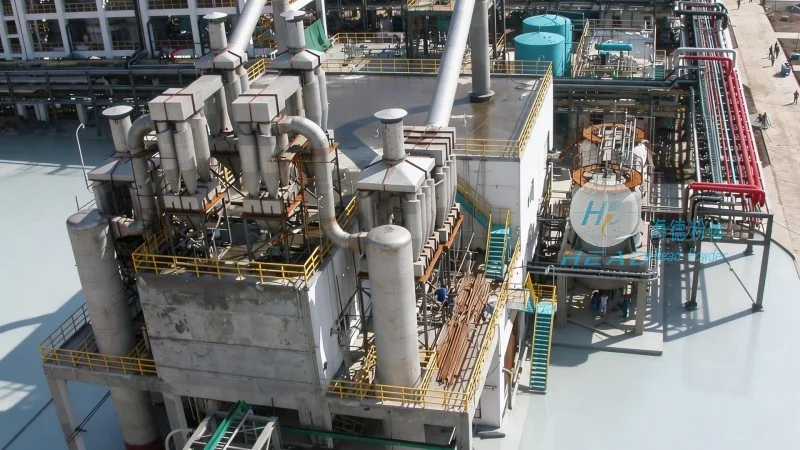
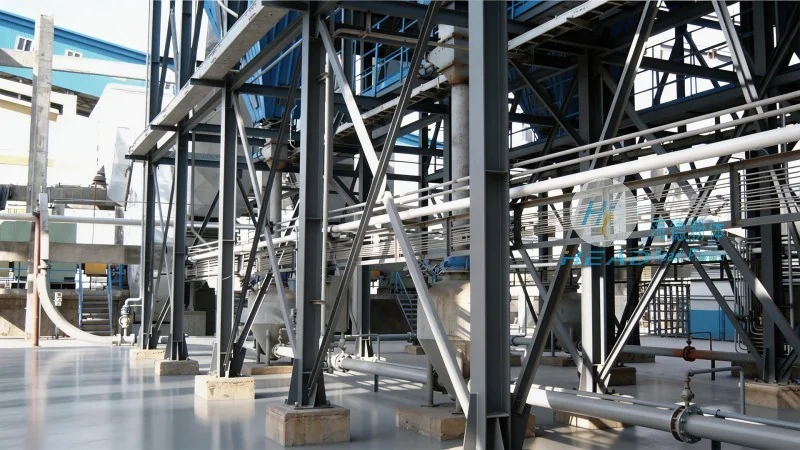
The PCl5 material handling system comprises several key components that work in concert to facilitate the safe and efficient transfer of the chemical. These components include storage tanks, pumping mechanisms, transfer lines, and control systems. The storage tanks are typically constructed from corrosion-resistant materials such as stainless steel or specialized alloys to withstand the aggressive nature of PCl5. The pumping system, often utilizing positive displacement pumps or high-pressure diaphragm pumps, ensures the consistent and controlled flow of the material. Transfer lines are equipped with insulated and sealed fittings to prevent leaks and maintain the integrity of the PCl5 stream. The control system integrates sensors, valves, and monitoring devices to regulate the flow rate, pressure, and temperature, ensuring optimal performance and safety.
Operation Process: Step-by-Step Execution
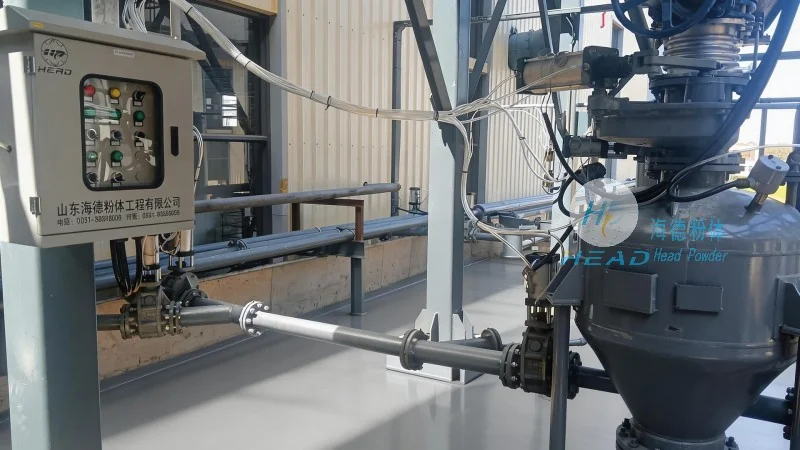
The operation of the PCl5 material handling system follows a systematic process that ensures smooth and continuous material transfer. The process begins with the loading of PCl5 into the storage tank, where it is stored under controlled conditions to prevent degradation or reaction with atmospheric moisture. Once the tank is filled, the system initiates the pumping sequence. The pump draws the PCl5 from the storage tank and pressurizes it, sending it through the transfer lines to the processing unit or downstream equipment. The flow rate is carefully controlled by the system's control panel, which adjusts pump speed or pressure based on real-time feedback from sensors. During transit, the transfer lines are maintained at a specific temperature to prevent condensation or solidification of the PCl5. The system also includes safety interlocks that automatically shut down the process if any abnormal conditions, such as pressure spikes or temperature deviations, are detected. This step-by-step approach ensures that the material is handled with precision and minimal risk, aligning with industry safety protocols.
Working Principle: How the System Functions
The working principle of the PCl5 material handling system is based on the principles of fluid dynamics and chemical engineering. The system operates by converting the potential energy of the stored PCl5 into kinetic energy through the pumping mechanism. The positive displacement pump, for example, uses a rotating or reciprocating action to move the liquid by trapping and displacing it in a sealed chamber. This action creates a pressure differential that drives the PCl5 through the transfer lines. The control system plays a crucial role by regulating the pump's operation and monitoring the system's parameters. Sensors, such as pressure transducers and temperature probes, provide real-time data to the control panel, which adjusts the pump's speed or pressure to maintain the desired flow rate. The insulated transfer lines prevent heat loss or gain, ensuring that the PCl5 remains in its liquid state during transportation. Additionally, the system incorporates sealing and leak detection mechanisms to prevent any PCl5 from escaping into the environment, thus maintaining environmental safety and compliance with regulations.
Safety and Compliance Considerations
Given the hazardous nature of PCl5, the material handling system incorporates comprehensive safety features to protect personnel and the environment. The system is designed in accordance with international safety standards, such as those outlined by the American Chemical Society (ACS) and the Occupational Safety and Health Administration (OSHA). Key safety measures include pressure relief valves, emergency shut-off systems, and fire suppression devices. The storage tanks are equipped with venting systems to release any built-up pressure safely. The transfer lines are fitted with non-return valves to prevent backflow and ensure unidirectional flow. Regular maintenance and inspection procedures are also integral to the system's operation, with scheduled checks on pump performance, line integrity, and sensor functionality. These measures collectively ensure that the system operates within safe parameters and minimizes the risk of accidents or spills.
Application and Performance Metrics
The PCl5 material handling system developed by Shandong HeadPowder Engineering Co., Ltd. has demonstrated high performance in various industrial settings. The system's design allows for efficient handling of PCl5 with minimal downtime and maximum throughput. Performance metrics, such as flow rate consistency, pressure stability, and temperature control, are regularly monitored and optimized to meet the specific requirements of each application. The system's reliability has been proven through extensive testing and real-world deployment, with a low rate of maintenance interventions and high operational efficiency. Clients in the pharmaceutical and agrochemical industries have reported improved productivity and reduced material losses due to the system's precise control and safety features. The system's adaptability also allows for customization to accommodate different PCl5 concentrations and processing conditions, making it a versatile solution for diverse industrial needs.