

Operation Process and Working Principle of Sodium Fluorosilicate Material Handling System
HeadPowder, a leading engineering firm based in Shandong, China, specializes in the design, manufacturing, and implementation of advanced material handling systems for industrial applications. This article provides a detailed overview of the operation process and working principles of a sodium fluorosilicate material handling system, highlighting the key components, operational steps, and technical aspects that ensure efficient and reliable material transport.
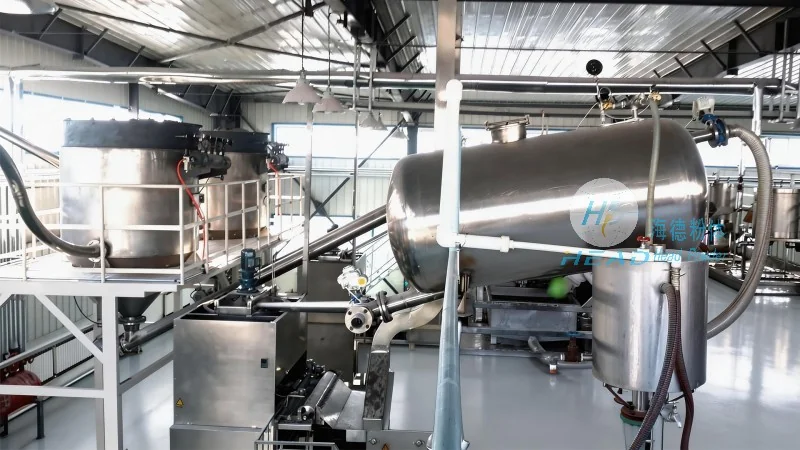
Overview of the Sodium Fluorosilicate Material Handling System
The sodium fluorosilicate material handling system is engineered to safely and efficiently transport sodium fluorosilicate, a chemical compound widely used in various industrial sectors such as glass manufacturing, ceramics, and water treatment. The system integrates multiple components, including storage silos, conveyor belts, feeding mechanisms, and control systems, to facilitate seamless material movement from storage to processing or packaging units. HeadPowder's expertise in chemical engineering and material handling ensures that the system is tailored to meet the specific requirements of the client, optimizing performance and minimizing operational risks.
Key Components of the Material Handling System
The system comprises several critical components that work in tandem to achieve effective material transport. The primary components include:
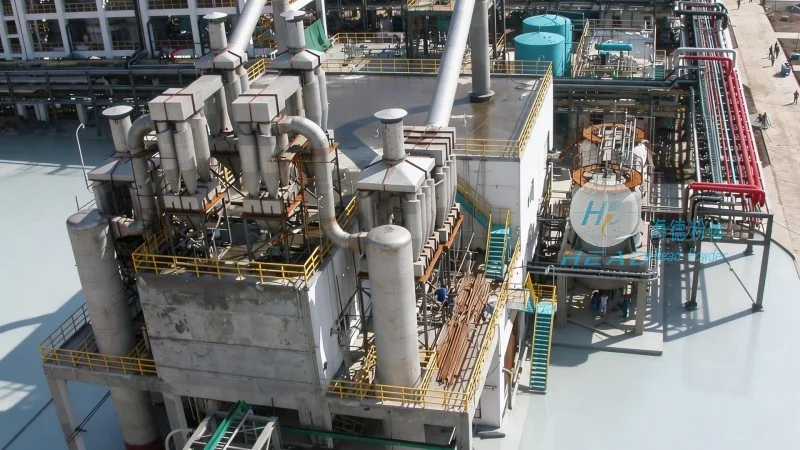
- Storage Silos: Large, airtight silos designed to store sodium fluorosilicate in bulk. These silos are constructed from corrosion-resistant materials, such as stainless steel or lined carbon steel, to prevent material degradation and ensure long-term storage stability.
- Conveyor Belts: Heavy-duty conveyor systems equipped with durable belts and rollers to transport the material from the storage silos to the processing area. The conveyor design is optimized for the specific characteristics of sodium fluorosilicate, including its bulk density and flow properties, to prevent blockages and ensure smooth operation.
- Feeding Mechanisms: Automated feeding devices, such as rotary valves or screw conveyors, that regulate the flow of sodium fluorosilicate from the silos to the conveyor belts. These mechanisms are equipped with sensors to monitor flow rates and adjust operation as needed, ensuring consistent material delivery.
- Control Systems: Integrated control panels and software that manage the entire system's operation. The control system monitors key parameters, including pressure, temperature, and flow rates, and provides real-time feedback to operators. It also includes safety features, such as emergency stop buttons and overload protection, to prevent accidents and ensure worker safety.
Operation Process of the System
The operation of the sodium fluorosilicate material handling system follows a systematic process, which begins with material loading into the storage silos. The process can be broken down into the following steps:
- Material Loading: Sodium fluorosilicate is delivered to the storage silos via trucks or other transport vehicles. The material is then unloaded into the silos, which are equipped with inlet hoppers and sealing mechanisms to prevent dust and contamination.
- Initial Storage and Conditioning: Once loaded, the material is stored in the silos for a period to allow for conditioning, which helps to improve its flow characteristics and reduce the risk of caking or agglomeration.
- Material Release and Feeding: When the material is ready for transport, the feeding mechanism is activated. The rotary valve or screw conveyor opens, allowing the material to flow from the silo into the conveyor system. The flow rate is controlled by the control system to match the processing requirements.
- Conveyor Transport: The material is transported along the conveyor belt from the storage area to the processing or packaging unit. The conveyor system is designed to handle the bulk density and flow properties of sodium fluorosilicate, ensuring that the material moves smoothly without any blockages or jams.
- Discharge and Processing: At the end of the conveyor, the material is discharged into the processing equipment or packaging containers. The control system monitors the discharge rate to ensure that the processing unit receives the correct amount of material at the right time.
Working Principles of the System
The working principles of the sodium fluorosilicate material handling system are based on mechanical and pneumatic operations, which work together to ensure efficient material transport. The system relies on the following key principles:
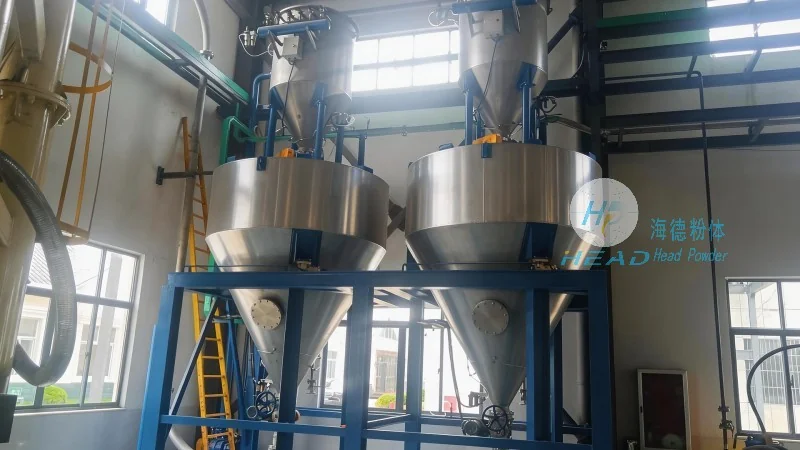
- Gravity and Mechanical Force: The system utilizes gravity to assist in material flow from the storage silos to the conveyor belts. The feeding mechanisms and conveyor belts are designed to create a slight incline, allowing the material to move under the influence of gravity while the mechanical components provide additional force to maintain flow.
- Controlled Flow Regulation: The control system plays a crucial role in regulating the flow of sodium fluorosilicate. By adjusting the speed of the conveyor belt or the rotation speed of the feeding mechanism, the system can control the flow rate, ensuring that the processing unit receives the exact amount of material needed.
- Safety and Reliability: The system incorporates multiple safety features to prevent accidents and ensure reliable operation. These include overload protection, emergency stop buttons, and sensors that monitor for blockages or abnormal conditions. The corrosion-resistant materials used in the construction of the silos and conveyor components also contribute to the system's long-term reliability.
Benefits of the Sodium Fluorosilicate Material Handling System
The implementation of a sodium fluorosilicate material handling system offers several benefits to industrial operations. These include:
- Increased Efficiency: The automated system reduces the need for manual handling, minimizing labor costs and improving operational efficiency. The consistent flow of material ensures that processing units receive the exact amount of sodium fluorosilicate needed, reducing downtime and waste.
- Enhanced Safety: The system's safety features, such as emergency stop buttons and overload protection, minimize the risk of accidents and ensure worker safety. The use of corrosion-resistant materials also reduces the risk of material contamination and exposure to hazardous chemicals.
- Improved Product Quality: The controlled flow and consistent delivery of sodium fluorosilicate result in improved product quality. The system ensures that the material is transported without any degradation or contamination, which is critical for applications where purity is essential.
- Cost Savings: By optimizing material handling processes, the system reduces operational costs, including labor, energy, and maintenance expenses. The long-term reliability of the system also minimizes the need for frequent repairs or replacements.
Conclusion
HeadPowder's sodium fluorosilicate material handling system is a reliable and efficient solution for industrial applications requiring the safe and effective transport of sodium fluorosilicate. By integrating advanced components and control systems, the system ensures optimal performance, enhanced safety, and improved product quality. With its expertise in chemical engineering and material handling, HeadPowder provides tailored solutions that meet the specific needs of clients, ensuring long-term success and operational excellence.