

Operation Process and Working Principle of High-Pressure Material Conveying Lines
Shandong HeadPowder Engineering Co., Ltd., commonly known as headpowder, is a professional manufacturer based in Shandong, China. The company specializes in the design, development, and production of high-pressure material conveying systems, catering to various industrial applications that require efficient and reliable material transport under high-pressure conditions. With a strong focus on engineering excellence and customer-centric solutions, headpowder has established itself as a trusted provider in the field of material handling technology.
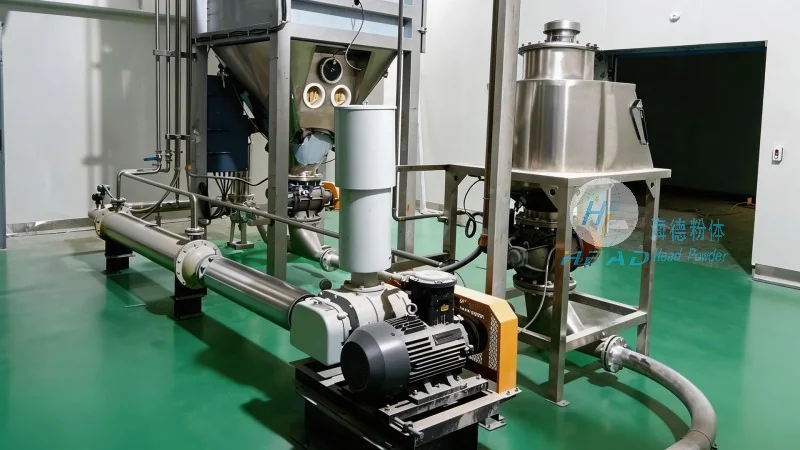
Overview of High-Pressure Material Conveying Lines
High-pressure material conveying lines are sophisticated systems engineered to transport bulk materials, such as powders, granules, or other particulate substances, over long distances or vertical heights with precision and efficiency. These systems are designed to handle materials that may be abrasive, corrosive, or sensitive to moisture, ensuring minimal degradation during the conveying process. The core components of a high-pressure material conveying line typically include a high-pressure pump, a conveying pipeline, a control system, and various accessories like valves, filters, and sensors. Each component works in harmony to maintain the integrity of the material and the operational stability of the system.
Operation Process of High-Pressure Material Conveying Lines
The operation of a high-pressure material conveying line involves a series of controlled steps to ensure smooth and continuous material transport. The process begins with the preparation of the material, where it is fed into the system through a hopper or feeder. The high-pressure pump then generates the necessary pressure to drive the material through the pipeline. As the material moves, the control system monitors parameters such as pressure, flow rate, and temperature, adjusting the pump speed or valve positions as needed to maintain optimal performance. The conveying line may include bends, vertical sections, or horizontal runs, and the system is designed to handle changes in direction or elevation without compromising the material's quality or the system's efficiency. At the end of the conveying process, the material is discharged into a storage tank or processing unit, completing the cycle. The entire operation is automated, with minimal human intervention required, ensuring consistent and reliable performance.
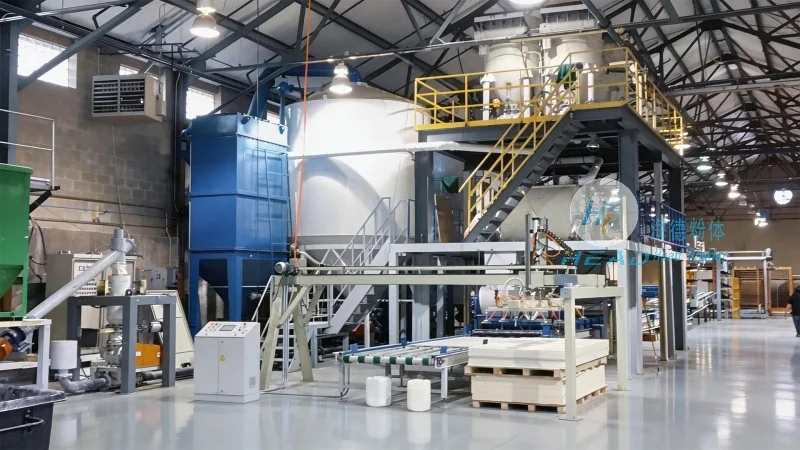
Working Principle of High-Pressure Material Conveying Lines
The working principle of high-pressure material conveying lines is based on the principles of fluid dynamics and pressure transmission. The high-pressure pump creates a pressure differential that propels the material through the pipeline. As the material is accelerated by the pump, it is forced to move in a continuous stream, overcoming the effects of gravity and friction. The pipeline is typically made of durable materials, such as stainless steel or high-grade plastic, to withstand the high pressures and resist corrosion from the conveyed materials. The control system plays a crucial role in regulating the pressure and flow, ensuring that the material is transported at the desired rate without causing blockages or excessive wear on the system components. Sensors are integrated into the pipeline to detect any anomalies, such as pressure drops or material buildup, allowing for immediate corrective actions. This closed-loop control system enhances the reliability and efficiency of the high-pressure material conveying line, making it suitable for demanding industrial applications.
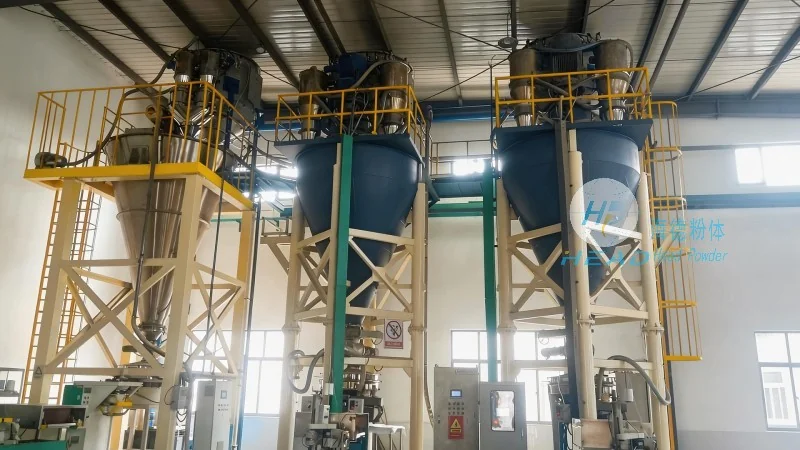
Key Features and Technical Advantages
High-pressure material conveying lines offered by headpowder are equipped with several key features that enhance their performance and durability. These systems are designed to handle a wide range of materials, from fine powders to coarse granules, with minimal segregation or degradation. The use of high-pressure pumps ensures that the material is transported at high velocities, reducing the risk of clogging and improving overall throughput. The pipeline design incorporates smooth transitions and minimal bends, which helps to maintain the material's flow and prevent particle separation. Additionally, the systems are equipped with advanced control technologies, including digital displays and remote monitoring capabilities, allowing operators to adjust parameters in real-time and optimize the conveying process. The robust construction of the components, including the pump and pipeline, ensures long service life and low maintenance costs, making these systems a cost-effective solution for industrial material handling needs.
Applications and Industries
High-pressure material conveying lines are widely used in various industries that require the efficient transport of bulk materials. These include the chemical industry, where powders and granules are transported between processing units; the food and beverage industry, where raw materials are conveyed to production lines; the pharmaceutical industry, where sensitive materials are handled with precision; and the mining and minerals industry, where ore and other raw materials are transported from extraction sites to processing facilities. The versatility of high-pressure material conveying lines makes them suitable for a wide range of applications, from small-scale operations to large-scale industrial plants. By providing a reliable and efficient means of material transport, these systems contribute to increased productivity and reduced operational costs in various industrial sectors.