

Operation Process and Working Principle of Barley Malt Material Conveying Line
For the production of malt, the efficient handling of barley malt is crucial. The barley malt material conveying line, developed by Shandong HeadPowder Engineering Co., Ltd., is a specialized system designed to ensure smooth and reliable transportation of malt from storage to processing stages. This article will explore the operation process and working principle of such a conveying line, highlighting its key components and operational efficiency.
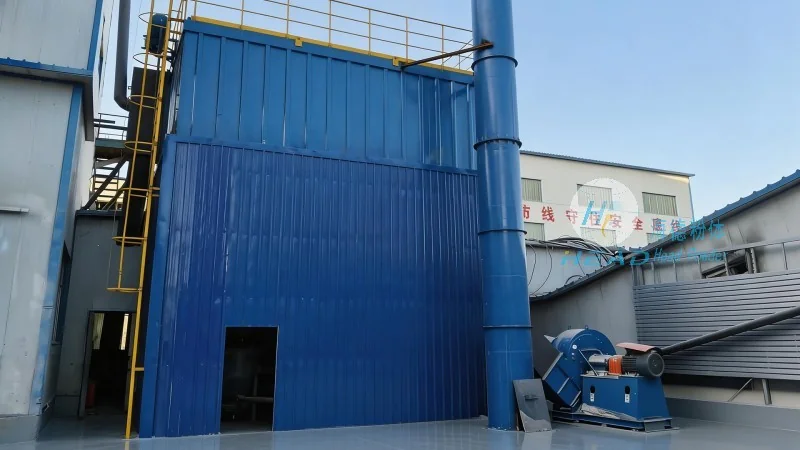
Overview of the Barley Malt Conveying Line
The barley malt material conveying line is a comprehensive system that integrates various components to facilitate the movement of malt. Typically, it includes storage silos, feeding mechanisms, conveyor belts or screw conveyors, control systems, and safety features. Each component works in tandem to ensure that the malt is transported safely and efficiently, minimizing downtime and maximizing productivity. The system is designed to handle different types of malt, including raw barley, malted barley, and finished malt products, adapting to varying production demands.
Key Components and Their Functions
1. Storage Silos: These are large, airtight containers where raw barley or malted barley is stored. The silos are equipped with level sensors to monitor the material level, ensuring that the feeding process is controlled and consistent. The design of the silos prevents moisture and contamination, preserving the quality of the malt.
2. Feeding Mechanisms: Once the malt is ready for processing, a feeding mechanism, such as a rotary valve or a screw feeder, is used to discharge the material from the silo. These mechanisms regulate the flow rate, ensuring a steady supply of malt to the conveyor system. The feeding equipment is designed to handle different bulk densities and particle sizes, maintaining the integrity of the malt during transfer.
3. Conveyor Systems: The core of the conveying line is the conveyor system, which can be either a belt conveyor or a screw conveyor, depending on the specific requirements of the malt. Belt conveyors are commonly used for horizontal and slight incline transport, while screw conveyors are ideal for vertical or steep incline applications. The conveyor system is equipped with variable speed drives, allowing operators to adjust the speed based on production needs. This flexibility ensures that the conveying line can handle varying loads without compromising efficiency.
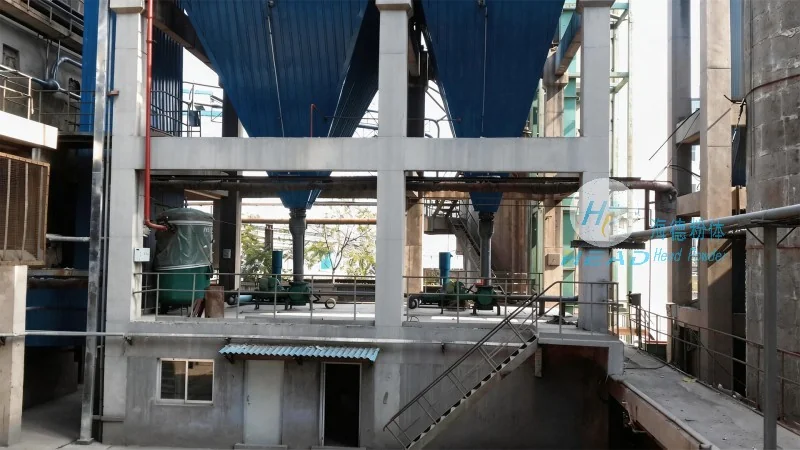
4. Control and Monitoring Systems: Modern barley malt conveying lines are equipped with advanced control systems that monitor and regulate the entire process. These systems include sensors for temperature, moisture, and material flow, as well as a central control panel. The control system allows operators to track the status of each component in real-time, detect any anomalies, and take corrective actions promptly. This level of monitoring enhances safety and reduces the risk of equipment failure.
Operation Process of the Conveying Line
The operation of the barley malt material conveying line follows a systematic process that ensures the smooth flow of malt from storage to processing. The process typically begins with the preparation of the storage silos, where the malt is loaded and the level is checked. Once the silo is ready, the feeding mechanism is activated to start the discharge of the malt. The material then moves through the conveyor system, which transports it to the processing area. The control system continuously monitors the flow rate and material level, adjusting the speed of the conveyor as needed to maintain a consistent supply.
During the operation, the conveyor system may encounter different challenges, such as variations in material density or blockages. The control system detects these issues and triggers alarms or automatic shut-downs to prevent damage to the equipment. The safety features, including emergency stop buttons and protective guards, ensure that the operation is safe for the personnel and the equipment.
Working Principle of the Conveying Line
The working principle of the barley malt material conveying line is based on the principles of mechanical transport. The system uses gravity and mechanical force to move the malt from one location to another. In the case of belt conveyors, the material is placed on the moving belt and carried along the path. The speed of the belt is controlled to ensure that the material is transported at an optimal rate. Screw conveyors, on the other hand, use a rotating screw to push the material forward, which is particularly effective for vertical transport.
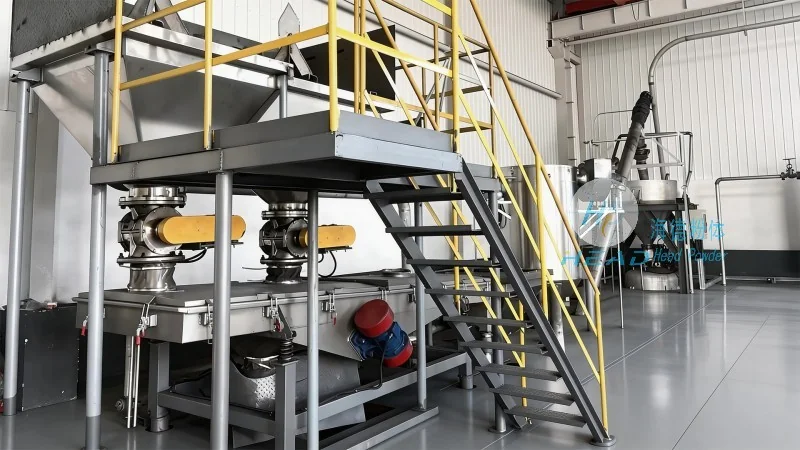
The control system plays a critical role in the working principle by regulating the speed and direction of the conveyor. It uses feedback from sensors to adjust the operation in real-time, ensuring that the conveying line operates efficiently and safely. The integration of sensors and control systems allows for precise control of the material flow, minimizing waste and maximizing productivity.
Benefits of Using a Barley Malt Conveying Line
The implementation of a barley malt material conveying line offers several benefits to malt production facilities. Firstly, it improves operational efficiency by reducing the time and labor required for manual handling of malt. The automated system ensures a consistent and continuous flow of material, which enhances the overall production rate. Secondly, it enhances safety by minimizing the risk of accidents associated with manual handling and heavy lifting. The system also reduces the risk of contamination and spoilage, as the malt is handled in a controlled environment.
Additionally, the conveying line improves the quality of the malt by preventing damage during transportation. The gentle handling of the material, especially in belt conveyors, reduces the breakage of malt grains, which can affect the quality of the final product. The system also allows for better inventory management, as the level sensors provide real-time data on the stock levels, enabling timely replenishment.
Conclusion
The barley malt material conveying line developed by Shandong HeadPowder Engineering Co., Ltd. is a sophisticated and efficient system that plays a vital role in modern malt production. By integrating advanced components and control systems, the line ensures the safe and reliable transportation of malt, enhancing productivity and product quality. The system's adaptability and flexibility make it suitable for various production scales and requirements, making it an essential investment for malt production facilities.