

Operation Process and Working Principle of Limestone Powder Granular Material Conveying Line
Understanding the operation process and working principle of limestone powder granular material conveying lines is crucial for optimizing material handling efficiency in industrial applications. This article provides a detailed overview of the key components, operational steps, and technical aspects involved in such systems, tailored for professionals in the material processing and engineering sectors.
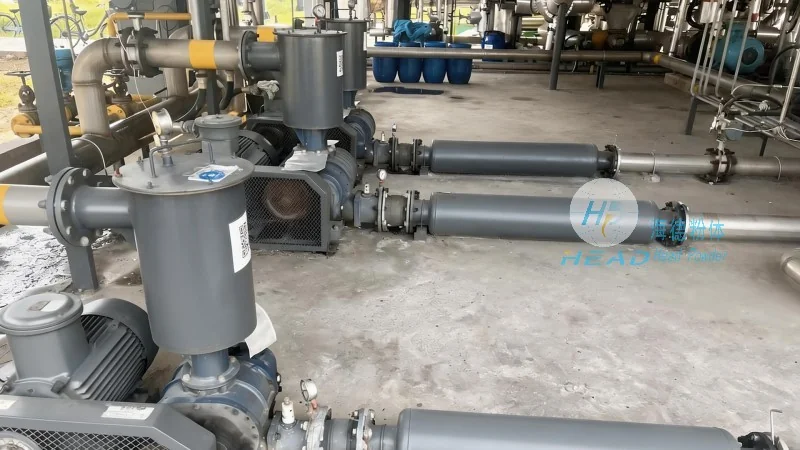
Introduction to Limestone Powder Granular Material Conveying Lines
Limestone powder, a vital raw material in various industries including construction, chemical manufacturing, and agriculture, often requires efficient and reliable transportation from storage to processing units. The limestone powder granular material conveying line, designed by Shandong HeadPowder Engineering Co., Ltd., addresses these needs through a robust and flexible system that ensures consistent material flow with minimal downtime. As a leading provider in the field, HeadPowder specializes in customizing conveying solutions to meet diverse operational requirements, leveraging advanced engineering and material handling expertise.
Key Components of the Conveying System
The limestone powder granular material conveying line typically comprises several critical components that work in tandem to facilitate smooth material transport. These include feed hoppers, conveyor belts or screw conveyors, dust collection systems, and control panels. The feed hopper is responsible for storing and regulating the flow of limestone powder, ensuring a steady supply to the conveyor. The conveyor mechanism, whether a belt conveyor or a screw conveyor, is designed to handle granular materials like limestone powder with minimal segregation or degradation. Dust collection systems are integrated to maintain air quality and prevent dust accumulation, which is essential for both safety and operational efficiency. Control panels allow operators to monitor and adjust the system parameters in real-time, ensuring optimal performance and preventing potential issues before they escalate.
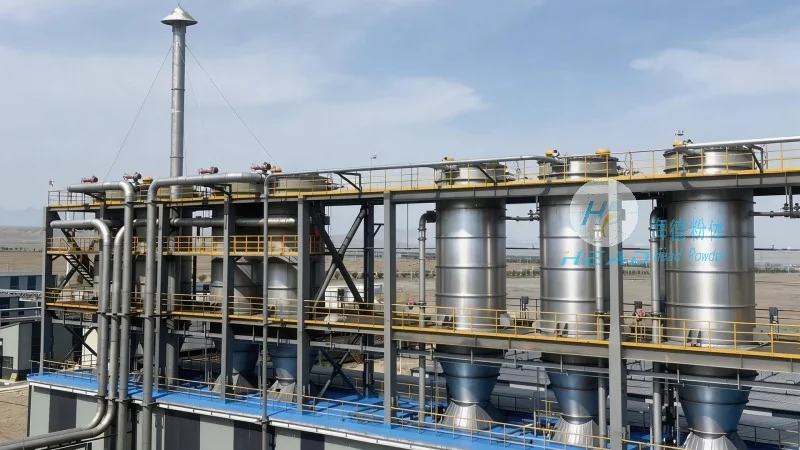
Operation Process of the Conveying Line
The operation of the limestone powder granular material conveying line follows a systematic sequence of steps that ensure efficient material transfer from the initial storage point to the final processing or discharge location. The process begins with the material being loaded into the feed hopper, where it is held in reserve until needed. A feeding mechanism, such as a rotary valve or a gate valve, controls the rate at which limestone powder is released into the conveyor. The conveyor then transports the material through the system, moving it from the feed point to the discharge point. During this transport, the material may pass through intermediate sections, such as elevators or transfer points, which adjust the material's elevation or direction as required. The system is equipped with sensors and alarms to detect any blockages or abnormalities in the material flow, allowing for immediate intervention to prevent system shutdowns. Once the material reaches the discharge point, it is released into the next processing stage or storage container, completing the cycle. The entire operation is automated to a large extent, with minimal manual intervention required, thereby enhancing productivity and reducing labor costs.
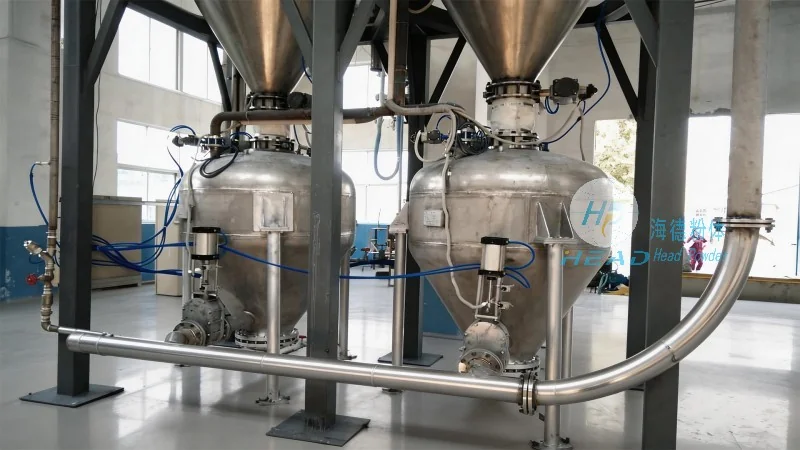
Working Principle of the Conveying System
The working principle of the limestone powder granular material conveying line is based on mechanical energy transfer and material flow dynamics. The system utilizes gravitational and mechanical forces to move the limestone powder from the feed point to the discharge point. In belt conveyor systems, the material is carried by a moving belt that is driven by a motor and pulley system. The screw conveyor system, on the other hand, uses a rotating screw to push the material forward through a cylindrical tube. Both systems are designed to handle granular materials with consistent particle size and density, ensuring uniform flow rates. The dust collection system operates on the principle of air filtration, using filters or cyclones to capture airborne dust particles and return clean air to the environment. Control systems employ sensors to monitor parameters such as material level, conveyor speed, and pressure, adjusting the system's operation based on real-time data to maintain optimal performance. This integrated approach ensures that the conveying line operates efficiently, safely, and reliably, meeting the demands of modern industrial applications.
Benefits and Applications of the Conveying Line
The limestone powder granular material conveying line offers numerous benefits that make it an ideal solution for industrial material handling. These include high capacity and continuous operation, which reduces material handling time and increases overall productivity. The system is also designed for low maintenance, with durable components that withstand the abrasive nature of limestone powder, minimizing downtime and repair costs. Additionally, the integration of dust collection systems enhances workplace safety and compliance with environmental regulations. The conveying line is widely used in industries such as cement production, where limestone is a primary raw material, as well as in chemical and agricultural sectors where granular materials need to be transported efficiently. Its adaptability to different material types and processing requirements makes it a versatile solution for various industrial applications.