

Operation Process and Working Principle of Steel and Lime Material Conveying Lines
Steel and lime material conveying lines are essential equipment in industrial operations, particularly within the steel and chemical processing industries. These systems are engineered to efficiently transport bulk materials such as steel scrap, lime, and other related substances from one processing stage to another. The operation process and working principle of these lines are fundamental to maintaining smooth production workflows and enhancing operational efficiency. This article provides a comprehensive overview of how these systems function, focusing on the technical aspects and practical applications.
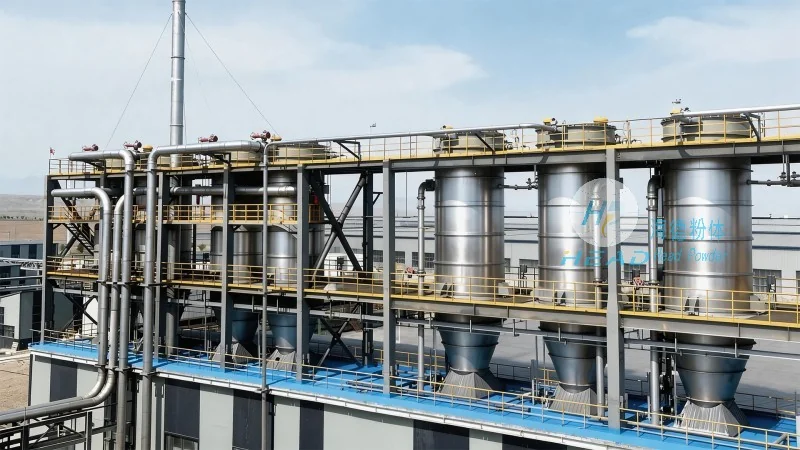
Key Components of Steel and Lime Material Conveying Lines
The steel and lime material conveying line typically comprises several critical components that work in concert to achieve effective material handling. These components include feed hoppers, conveyor belts or screw conveyors, control systems, and discharge mechanisms. The feed hopper is responsible for receiving raw materials, such as steel scrap or lime, and feeding them into the conveyor system. Conveyor belts or screw conveyors then transport the material along the designated path, while the control system manages the speed and direction of the conveying process. The discharge mechanism ensures that the material is delivered to the next processing stage or storage area. Each component is integral to the overall functionality of the conveying line, and their proper integration is essential for optimal performance.
Operation Process of Steel and Lime Material Conveying Lines
The operation process of a steel and lime material conveying line begins with the loading of raw materials into the feed hopper. The hopper is designed to hold a sufficient quantity of material to maintain a steady flow into the conveyor system. Once the material is loaded, the control system activates the conveyor, initiating the transport process. The conveyor belt or screw conveyor moves the material at a controlled speed, ensuring even distribution along the line. As the material travels, it may undergo intermediate processing steps, such as crushing or mixing, depending on production requirements. The control system continuously monitors the flow rate and adjusts the conveyor speed as needed to maintain a consistent output. Upon reaching the discharge point, the material is released into the next stage of processing or storage. The entire operation process is automated, minimizing manual intervention and reducing the risk of human error.
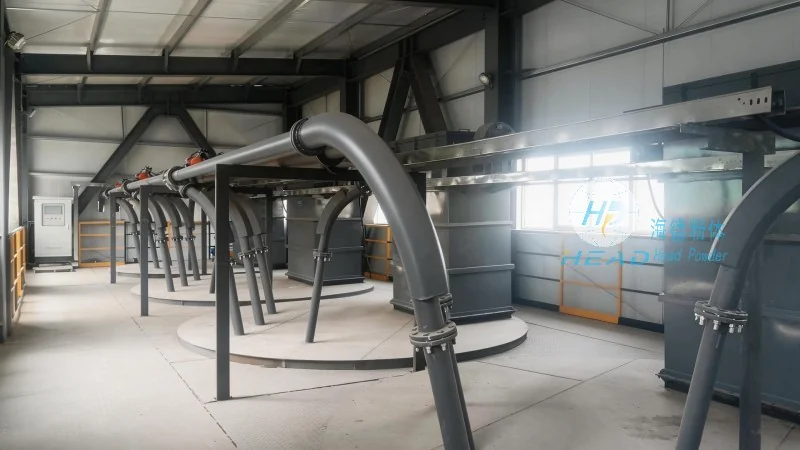
Working Principle of Steel and Lime Material Conveying Lines
The working principle of steel and lime material conveying lines is based on mechanical energy transfer and material flow dynamics. The primary mechanism involves the use of conveyor belts or screw conveyors to move bulk materials from one location to another. The conveyor belt system operates by rotating a series of rollers or pulleys that move the belt, which in turn transports the material. The screw conveyor system uses a rotating screw to push the material forward. Both systems rely on gravity and friction to facilitate material movement. The control system plays a crucial role in regulating the speed and direction of the conveyor, ensuring efficient and safe transport. The feed hopper and discharge mechanism work in conjunction with the conveyor to maintain a continuous flow of material. The entire system is designed to handle abrasive and heavy-duty substances like steel scrap and lime, minimizing wear and tear on components.
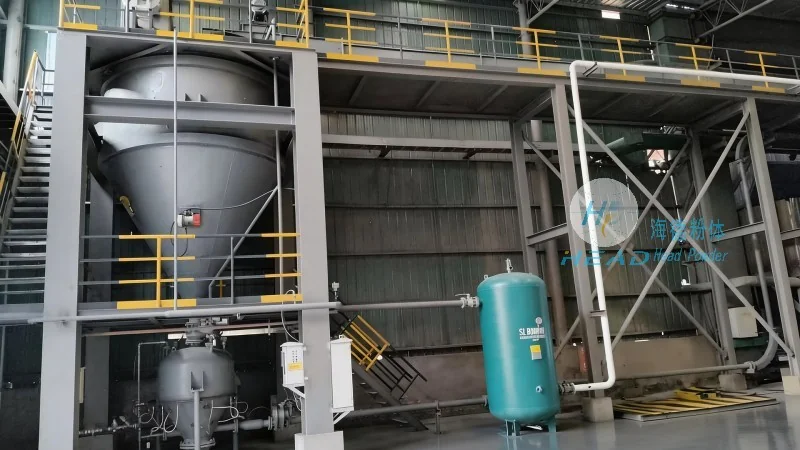
Applications and Benefits of Steel and Lime Material Conveying Lines
Steel and lime material conveying lines are widely utilized in various industrial applications, including steel mills, foundries, and chemical processing plants. These systems are vital for transporting raw materials and byproducts between different production stages. The benefits of using such conveying lines include improved operational efficiency, reduced labor costs, and enhanced safety. By automating material handling, these systems minimize the need for manual labor, reducing accident risks and injuries. Additionally, consistent material flow ensures uninterrupted production, leading to higher productivity and better quality control. The use of durable materials and advanced control systems extends the conveying line's lifespan, lowering long-term maintenance costs.
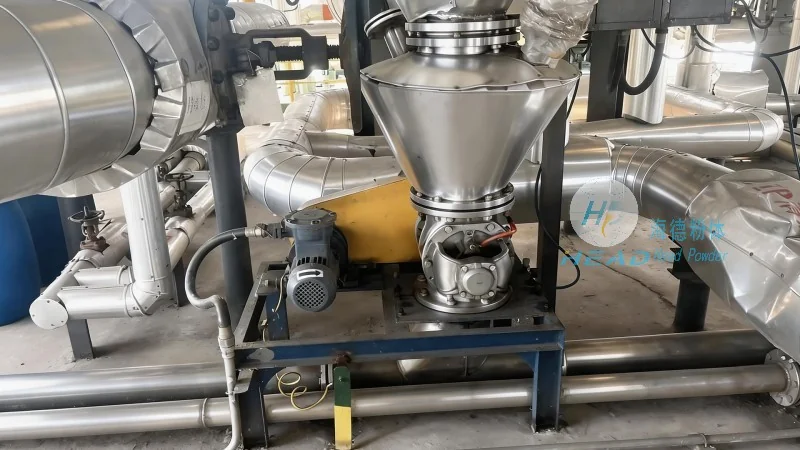
Maintenance and Safety Considerations for Steel and Lime Material Conveying Lines
Maintenance and safety are paramount when operating steel and lime material conveying lines. Regular maintenance is necessary to ensure components remain in good working order and to prevent breakdowns. This includes inspecting conveyor belts for wear, checking the control system for functionality, and cleaning the feed hopper and discharge mechanism to prevent material buildup. Safety protocols are equally critical, as these systems handle heavy and potentially hazardous materials. Proper protective equipment and regular operator training are essential to minimize accident risks. Emergency stop mechanisms and safety sensors are also vital to detect abnormalities and stop the conveyor immediately if needed.
Conclusion
In summary, steel and lime material conveying lines are sophisticated systems that are indispensable in industrial material handling. The operation process and working principle of these lines are designed to ensure efficient and safe transport of bulk materials. By understanding the key components, operation process, and working principles, industries can optimize their material handling processes and boost productivity. The integration of advanced control systems and durable components further enhances performance and longevity. As technology advances, these systems will likely become even more efficient and reliable, contributing to the growth of various industrial sectors.