

Operation Process and Working Principle of Activated Carbon Powder Material Conveying Line
HeadPowder, a leading manufacturer based in Shandong, China, specializes in providing high-efficiency and reliable activated carbon powder material conveying systems. This article delves into the operation process and working principle of such lines, highlighting the key components, operational mechanisms, and practical applications that ensure smooth and efficient material handling for industrial processes.
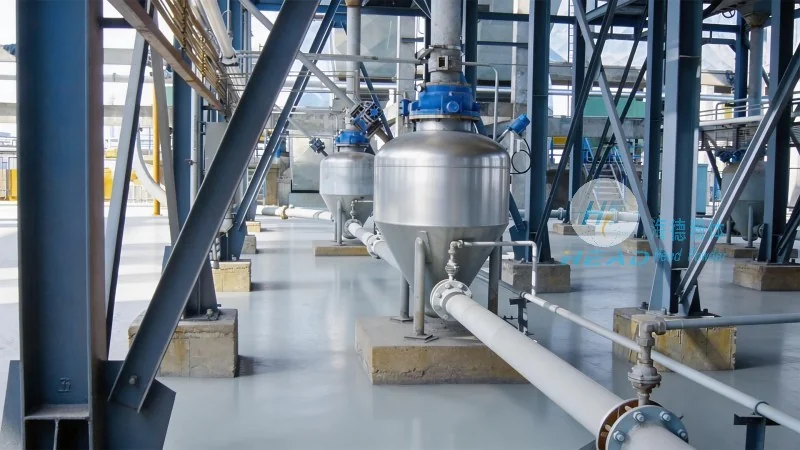
Overview of Activated Carbon Powder Conveying Lines
Activated carbon powder conveying lines are sophisticated systems designed to transport fine powders like activated carbon from storage silos or processing units to various downstream equipment such as reactors, filters, or packaging units. These systems are critical in industries like water treatment, air purification, and chemical manufacturing, where the consistent and safe handling of activated carbon is essential for maintaining product quality and operational efficiency.
Key Components of the Conveying System
The activated carbon powder conveying line typically consists of several core components that work in tandem to ensure effective material transport. These include:
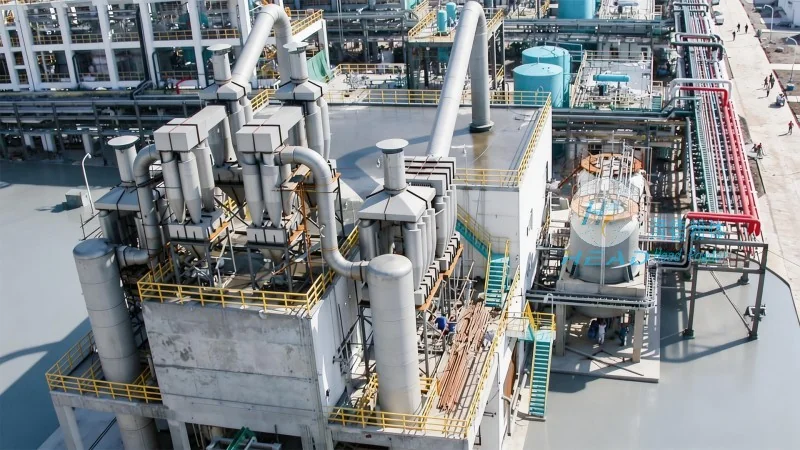
- Storage Silo: A large, airtight container that stores the activated carbon powder, maintaining its quality and preventing contamination.
- Pneumatic Conveying Equipment: This is the heart of the system, often utilizing air pressure or vacuum to move the powder through a network of pipes. Common types include positive displacement blowers, rotary airlocks, and venturi systems.
- Piping Network: A network of stainless steel or other corrosion-resistant pipes that guide the powder from the storage silo to the processing equipment. The design of the piping is crucial to minimize powder degradation and ensure consistent flow.
- Control System: An automated control panel that monitors and regulates the conveying process, ensuring precise control over flow rates, pressure, and material quantity. This system often integrates sensors and valves to maintain optimal operational conditions.
- Downstream Equipment: The receiving equipment, such as reactors or filters, where the activated carbon is used in the final process. The design of these units must be compatible with the conveying system to ensure seamless integration.
Working Principle of the Conveying Process
The operation of an activated carbon powder conveying line is based on the principles of pneumatic transport, which involves the use of air to move the powder particles through a closed system. The process typically follows these steps:
- Material Loading: The activated carbon powder is loaded into the storage silo from bulk containers or production batches. The silo is equipped with a hopper and a rotary airlock at the bottom to control the discharge of material.
- Air Supply: A positive displacement blower or other air source generates the necessary air pressure or vacuum to initiate the conveying process. The air is introduced into the piping network, creating a flow that carries the powder particles.
- Powder Transport: As the air flows through the pipes, it entrains the activated carbon powder, forming a slurry-like mixture. The mixture travels through the piping network to the downstream equipment. The velocity and pressure of the air are carefully controlled to prevent particle degradation and ensure smooth flow.
- Material Discharge: At the receiving end, the air and powder mixture is separated. The air is typically filtered and recycled back into the system, while the activated carbon powder is deposited into the downstream equipment. This separation is often achieved using cyclones, filters, or other separation devices.
- Control and Monitoring: The control system continuously monitors parameters such as pressure, flow rate, and material level. It adjusts the air supply and other variables to maintain optimal conditions, ensuring consistent performance and preventing system failures.
Operational Process and Efficiency Considerations
The operational process of an activated carbon powder conveying line is designed to maximize efficiency while minimizing downtime and material loss. Several factors contribute to the effectiveness of the system:
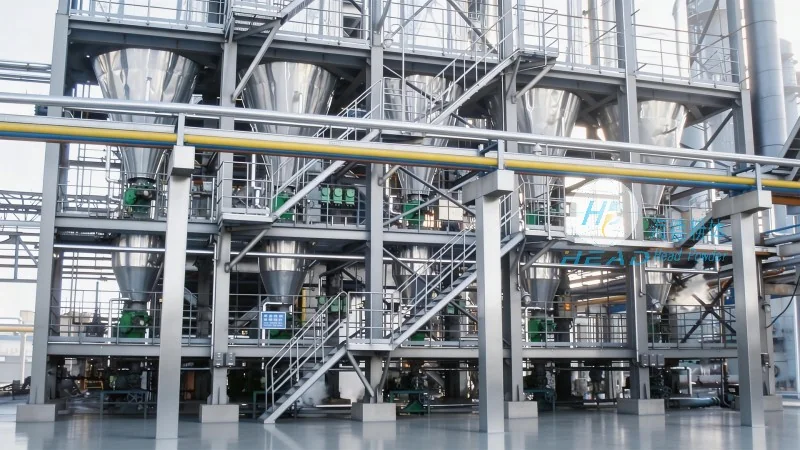
- Material Properties: The characteristics of the activated carbon powder, such as particle size, density, and moisture content, significantly impact the conveying process. Proper system design accounts for these properties to ensure efficient transport.
- System Sizing: The capacity of the conveying line is matched to the production requirements. Over-sizing or under-sizing can lead to inefficiencies, such as excessive energy consumption or insufficient material flow.
- Preventive Maintenance: Regular maintenance of components like blowers, airlocks, and piping is essential to prevent wear and tear, ensuring the system operates at peak efficiency. This includes cleaning, lubrication, and replacement of worn parts.
- Environmental Control: The system is designed to minimize dust emissions and maintain a clean working environment. This is achieved through proper sealing, filtration, and ventilation, which are critical for both safety and regulatory compliance.
Applications and Benefits of Activated Carbon Powder Conveying Lines
Activated carbon powder conveying lines are widely used in various industrial applications where the efficient handling of fine powders is critical. Some common applications include:
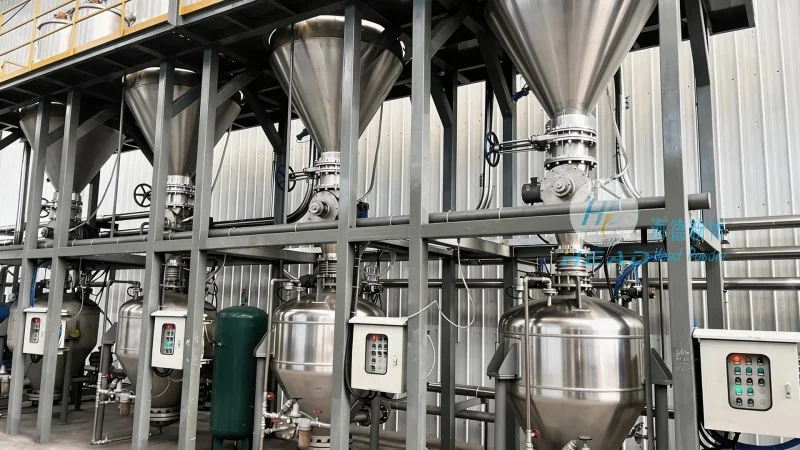
- Water Treatment: In water treatment plants, activated carbon is used for adsorption of contaminants. The conveying line ensures that the carbon is delivered to the filtration units efficiently, maintaining water quality.
- Air Purification: In air purification systems, activated carbon is used to remove odors and pollutants from industrial exhaust gases. The conveying line transports the carbon to the adsorption units, ensuring consistent performance.
- Chemical Manufacturing: In chemical production processes, activated carbon is used as a catalyst or adsorbent. The conveying line ensures that the carbon is delivered to reactors or other processing equipment in the required quantities.
- Packaging and Distribution: The conveying line can also be used to transport activated carbon to packaging units, where it is prepared for distribution to customers.
By leveraging advanced pneumatic conveying technology, these systems offer several benefits, including:
- Reduced Downtime: Automated control systems minimize manual intervention, reducing the risk of human error and ensuring continuous operation.
- Improved Material Quality: The enclosed system prevents contamination and degradation of the activated carbon, maintaining its quality and effectiveness.
- Energy Efficiency: Proper system design optimizes air usage, reducing energy consumption and operational costs.
- Enhanced Safety: The enclosed design minimizes dust exposure and prevents accidental release of hazardous materials, ensuring a safe working environment.
Conclusion
Activated carbon powder conveying lines are essential components in industries that rely on the efficient handling of fine powders. The operation process, which involves a combination of storage, pneumatic transport, and control systems, ensures that activated carbon is delivered to downstream equipment in a consistent, safe, and efficient manner. With proper design, maintenance, and operation, these systems provide significant benefits in terms of productivity, quality, and safety. HeadPowder, with its expertise in engineering and manufacturing, offers reliable solutions that meet the diverse needs of industrial applications, ensuring optimal performance and long-term reliability.