

Operation Process and Working Principle of PVC Granule Material Handling System Equipment
This document provides a detailed overview of the operation process and working principle of PVC granule material handling system equipment. The system is designed to efficiently transport and handle PVC granules, which are commonly used in various industrial applications such as plastic manufacturing, construction materials, and chemical processing. The equipment is engineered to ensure reliable performance, high efficiency, and safety in material handling operations.
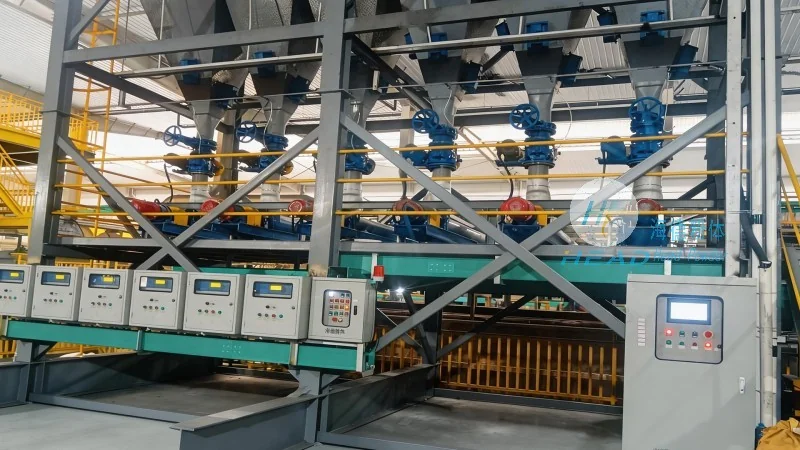
About HeadPowder: Leading Provider of Material Handling Solutions
HeadPowder, the professional brand under Shandong HeadPowder Engineering Co., Ltd., specializes in the design, manufacturing, and supply of advanced material handling equipment. With a strong presence in China, particularly in Shandong, the company has established itself as a trusted partner for industries requiring efficient and reliable material transport solutions. The company's commitment to quality, innovation, and customer satisfaction has enabled it to deliver top-tier equipment that meets the diverse needs of its clients.
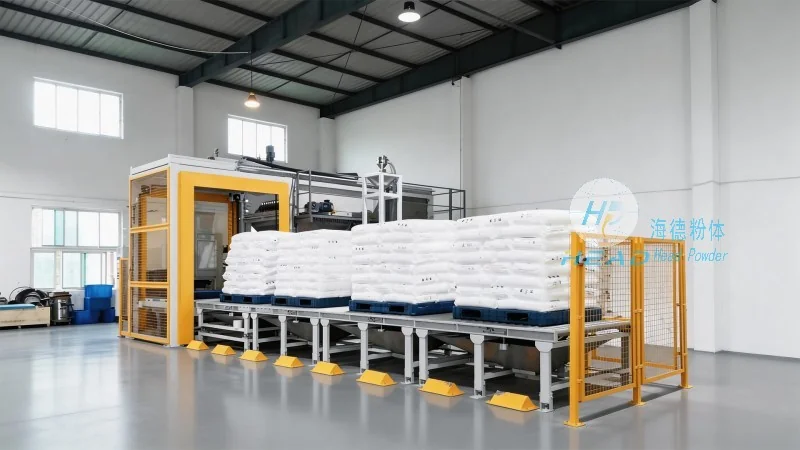
Working Principle of the PVC Granule Material Handling System
The PVC granule material handling system operates based on a combination of mechanical and pneumatic components, ensuring seamless and continuous material transport. The system typically includes a hopper for material storage, a conveyor system (such as a screw conveyor or belt conveyor) for horizontal and vertical transport, and a control unit for automated operation. The hopper is designed to hold a sufficient quantity of PVC granules, allowing for consistent feeding into the conveyor. The screw conveyor, for instance, uses rotating screws to move the granules forward, while the belt conveyor utilizes a moving belt to transport the material. The control unit monitors the system's operation, adjusting speed and flow rates as needed to maintain optimal performance. Additionally, the system may incorporate safety features such as overload protection and emergency stop mechanisms to prevent accidents and ensure operational safety.
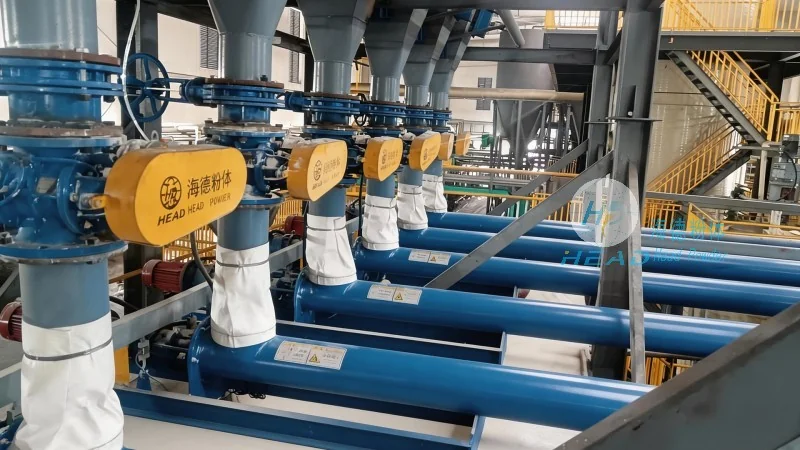
Operation Process of the PVC Granule Material Handling System
The operation process of the PVC granule material handling system involves several key steps, each designed to ensure efficient material handling. First, the PVC granules are loaded into the hopper from a storage container or silo. The hopper's design allows for uniform material distribution, preventing blockages and ensuring smooth feeding. Next, the control unit activates the conveyor system, starting the material transport. The screw or belt conveyor moves the granules from the hopper to the discharge point, which may be a processing machine, storage bin, or packaging unit. During operation, the system continuously monitors the material flow rate and adjusts the conveyor speed to maintain a steady supply. The control unit may also include sensors to detect material levels in the hopper and conveyor, triggering alerts if levels are too low or too high. Finally, the system stops automatically when the material is fully discharged or when an emergency stop is activated, ensuring safe and controlled operation.
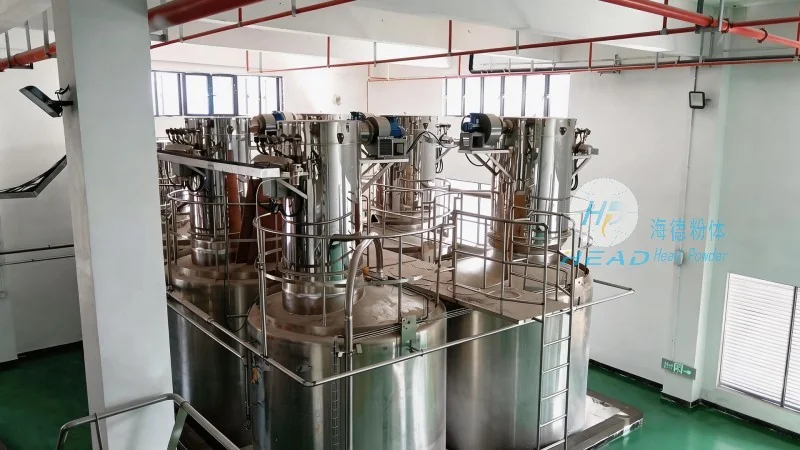
Efficiency and Maintenance Considerations
The PVC granule material handling system is engineered for high efficiency, minimizing downtime and maximizing productivity. Regular maintenance is crucial to ensure the system operates at optimal levels. This includes cleaning the hopper and conveyor to prevent material buildup, lubricating moving parts to reduce friction, and inspecting components for wear and tear. The system's design incorporates easy access points for maintenance, allowing for quick repairs and replacements. Additionally, the use of durable materials such as stainless steel or corrosion-resistant coatings ensures the equipment can withstand the harsh conditions of PVC granule handling, extending its service life. By following proper maintenance procedures, users can ensure the system maintains its efficiency and reliability over time.