

High-Pressure Dense-Phase Powder Pneumatic Conveying: Operation Process and Working Principle
High-pressure dense-phase powder pneumatic conveying is a sophisticated method used for transporting bulk powders over long distances with high efficiency and minimal material degradation. This technology is widely adopted in various industrial sectors, including chemical, pharmaceutical, food processing, and mining, due to its ability to handle a wide range of powder characteristics while maintaining product integrity. As a leading provider in this field, Shandong HeadPowder Engineering Co., Ltd. specializes in designing and manufacturing high-performance dense-phase conveying systems tailored to meet the specific needs of industrial clients.
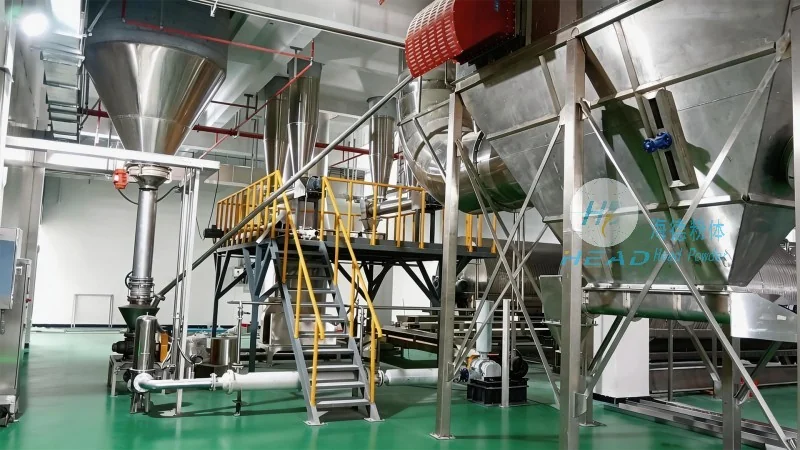
Understanding the Core Principles of High-Pressure Dense-Phase Pneumatic Conveying
At its essence, high-pressure dense-phase conveying operates by injecting high-pressure air or gas into a pipeline containing the powder material. The system uses a combination of pressure and velocity to create a dense, plug-like flow of powder, which significantly reduces the risk of particle attrition and agglomeration compared to traditional dilute-phase systems. The working principle revolves around maintaining a high solids concentration in the conveying line, typically ranging from 15% to 30% by volume, which ensures that the powder particles remain in close contact with each other and the pipeline walls.
The Operation Process of High-Pressure Dense-Phase Powder Conveying
The operation process of a high-pressure dense-phase pneumatic conveying system involves several key steps that ensure smooth and efficient material transport. First, the powder is fed into the conveying line from a hopper or silo, where it is introduced under controlled conditions to prevent blockages or uneven flow. Next, a high-pressure air compressor or blower generates the necessary pressure to push the powder through the pipeline. The pressure is carefully regulated to maintain the desired solids concentration and flow rate, which is crucial for avoiding excessive pressure drops or system inefficiencies.
During the conveying process, the powder forms a dense plug that moves through the pipeline, often with the assistance of a series of pressure pulsations or a venturi system to maintain consistent flow. The system may also incorporate a filter or separator at the receiving end to capture any fine particles and return them to the feed hopper, ensuring minimal material loss. The entire process is monitored by sensors and control systems that adjust pressure, flow rate, and other parameters in real-time to optimize performance and prevent system failures.
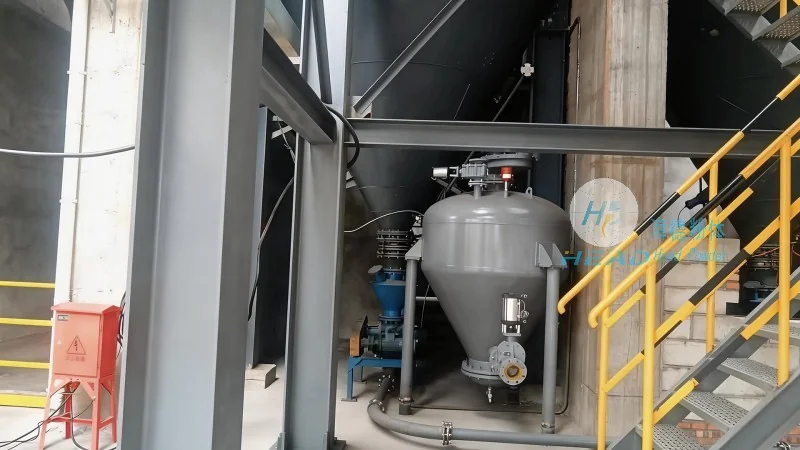
Key Components and Their Roles in High-Pressure Dense-Phase Conveying Systems
Several critical components work in tandem to ensure the effective operation of high-pressure dense-phase pneumatic conveying systems. The primary components include the feed hopper, which provides a controlled feed of powder; the high-pressure air compressor or blower, which generates the necessary pressure; the conveying pipeline, which transports the powder; and the receiving hopper or silo, which collects the material at the destination. Additional components may include pressure regulators, flow meters, and control valves that help maintain system stability and efficiency.
The feed hopper is designed to minimize the risk of material bridging or caking, which can disrupt the flow. It often includes a rotary valve or screw feeder to provide a consistent feed rate. The high-pressure compressor is typically a positive-displacement type, such as a piston or screw compressor, capable of delivering pressures up to 10 bar or higher, depending on the system requirements. The conveying pipeline is usually made of stainless steel or other corrosion-resistant materials to withstand the high pressure and abrasive nature of the powder. The receiving hopper may include a venturi or filter system to separate any entrained air and capture fine particles, preventing contamination of the final product.
Advantages of High-Pressure Dense-Phase Pneumatic Conveying
High-pressure dense-phase pneumatic conveying offers several advantages over traditional dilute-phase systems and other material handling methods. One of the most significant benefits is the reduced risk of product degradation, as the dense flow minimizes particle impact and friction. This is particularly important for sensitive materials, such as pharmaceuticals or food products, where particle size and purity are critical. Additionally, the system can handle a wide range of powder characteristics, including fine powders, cohesive materials, and those with high moisture content, without the need for pre-drying or conditioning.
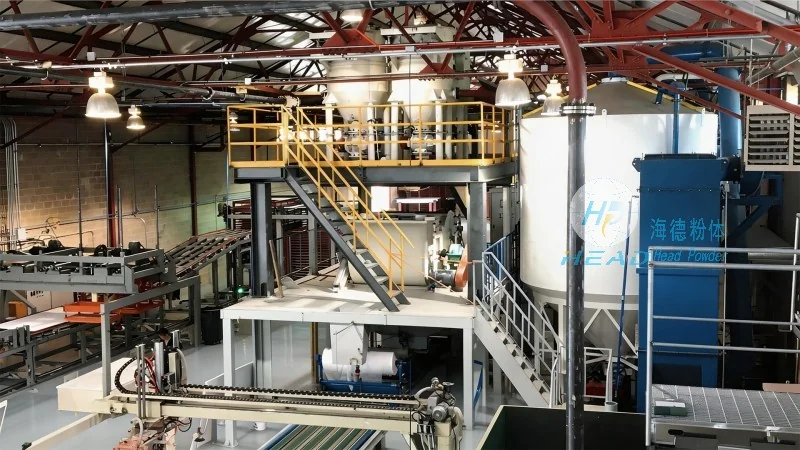
Another advantage is the ability to transport materials over long distances with minimal energy consumption compared to other bulk handling methods, such as belt conveyors or trucks. The high-pressure system also allows for more flexible routing, as the pipeline can be easily installed in existing facilities or adapted to new layouts. Furthermore, the system is relatively low maintenance, with fewer moving parts and less wear compared to mechanical conveyors, resulting in lower operational costs over time.
Applications and Industries Utilizing High-Pressure Dense-Phase Conveying
High-pressure dense-phase pneumatic conveying is used in a variety of industries where efficient and reliable powder transport is essential. In the chemical industry, it is commonly used to handle raw materials, such as powders for polymer production or catalysts, ensuring consistent quality and minimizing waste. The pharmaceutical industry relies on this technology to transport active pharmaceutical ingredients (APIs) and excipients, maintaining strict contamination and particle size control. In the food processing sector, it is used for conveying ingredients like flour, sugar, and spices, preserving flavor and texture while preventing cross-contamination.
The mining and mineral processing industry also benefits from high-pressure dense-phase conveying, as it can handle abrasive and heavy-duty powders, such as ore concentrates or tailings, with minimal equipment wear. Additionally, the system is used in the cement and construction materials industry to transport raw materials like limestone and clinker, improving production efficiency and reducing handling costs. Overall, the versatility and reliability of high-pressure dense-phase pneumatic conveying make it a preferred choice for industries that require high-quality, low-loss material transport.