

Operation Process and Working Principle of Positive Pressure Powder Pneumatic Conveying Systems
Positive pressure powder pneumatic conveying systems represent a sophisticated method for transporting bulk powders and granular materials over long distances or within complex industrial settings. These systems are widely utilized across various industries, including food processing, pharmaceuticals, chemicals, and mining, due to their efficiency, flexibility, and ability to handle a wide range of powder characteristics. Understanding the operation process and working principles of such systems is crucial for optimizing performance, ensuring safety, and maximizing operational efficiency.
Company Introduction: Shandong HeadPowder Engineering Co., Ltd.
HeadPowder, a leading engineering company based in Shandong, China, specializes in the design, manufacturing, and installation of advanced pneumatic conveying solutions. With a strong commitment to innovation and quality, HeadPowder has established itself as a trusted partner in the industry, delivering customized systems that meet the unique requirements of clients worldwide. The company’s expertise lies in developing efficient and reliable positive pressure powder conveying systems that enhance productivity and reduce operational costs for its clients.
Working Principle of Positive Pressure Powder Pneumatic Conveying Systems
The core working principle of a positive pressure powder pneumatic conveying system involves the use of compressed air to transport bulk materials through a network of pipes. Unlike negative pressure systems, which rely on suction to draw materials into the system, positive pressure systems generate a higher pressure within the conveying line, forcing the material to move from the source to the destination. This approach ensures consistent material flow and minimizes the risk of material degradation or contamination.
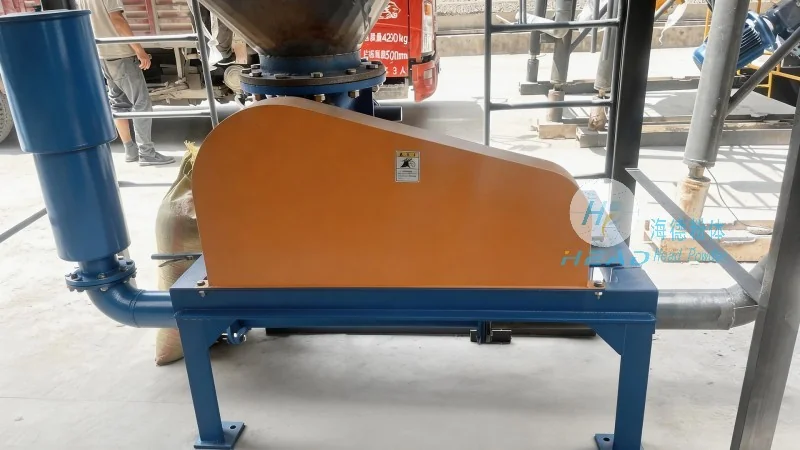
At the heart of the system is a positive displacement blower or a high-pressure air compressor, which supplies the necessary air pressure to drive the material. The material is typically fed into the system via a hopper or a feeder, where it is mixed with the compressed air. The air and material mixture then travels through the conveying line, which may include bends, elbows, and other components designed to maintain the material's suspension and prevent blockages. The system terminates at a receiver or a discharge point, where the material is separated from the air and collected.
Operation Process of Positive Pressure Powder Pneumatic Conveying Systems
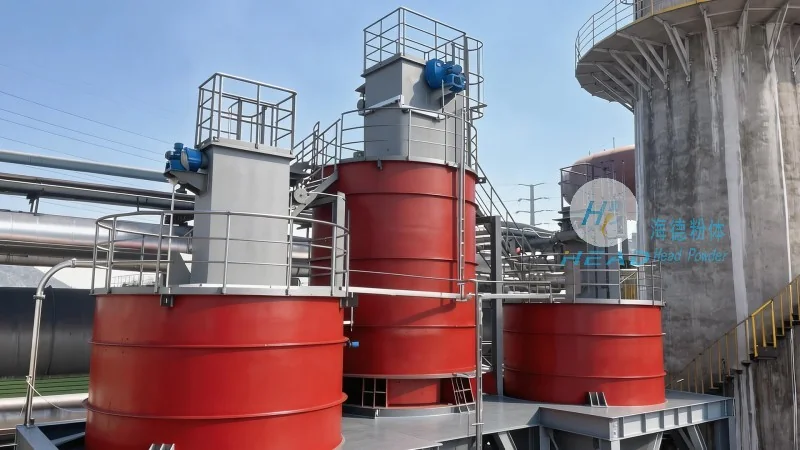
The operation process of a positive pressure powder pneumatic conveying system can be broken down into several key stages, each critical to the system's overall performance. The first stage involves material preparation, where the bulk powder is stored in a hopper or silo and prepared for feeding. The material is then transferred to the feeder, which controls the flow rate and ensures a consistent supply to the conveying line.
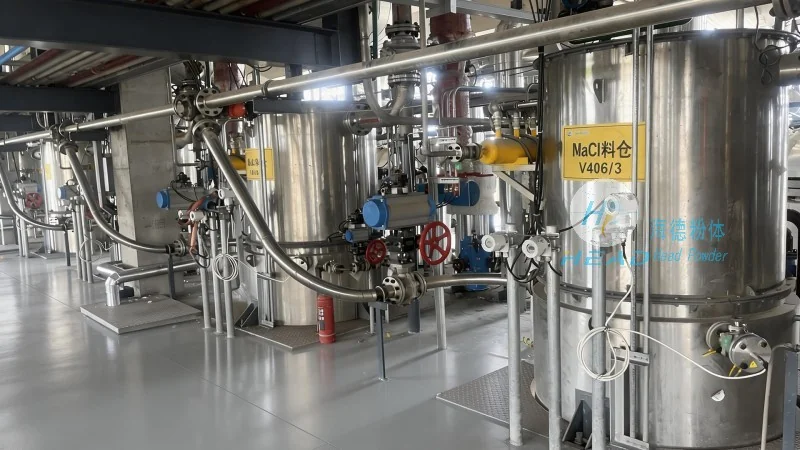
Once the material is fed into the system, the positive displacement blower or compressor starts operating, generating the required air pressure. The compressed air is mixed with the material in the feeder or a dedicated mixing chamber, creating a homogeneous mixture that is then introduced into the conveying line. The mixture travels through the pipeline network, navigating through various components such as bends, filters, and check valves, which are designed to maintain the material's suspension and prevent clogging.
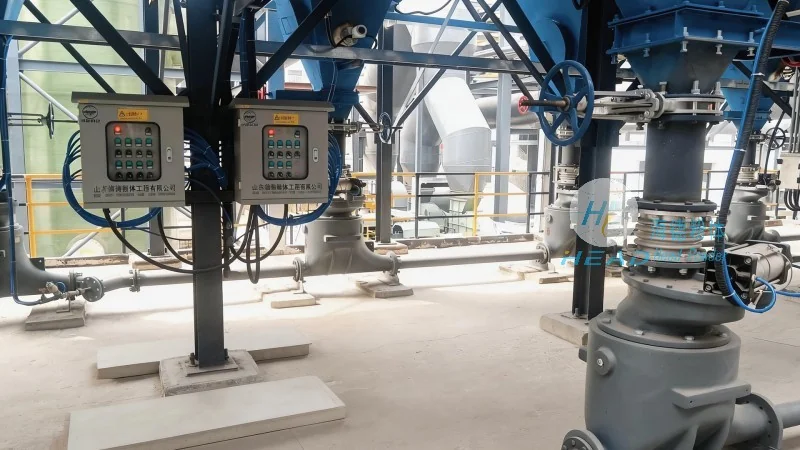
At the receiving end, the material is separated from the air using a cyclone separator or a bag filter. The separated material is collected in a receiving hopper or silo, while the air is either vented to the atmosphere or recycled back into the system, depending on the specific design and requirements. The system operates continuously, with the blower maintaining a consistent pressure to ensure uninterrupted material flow. Regular maintenance, including checking air pressure, cleaning filters, and inspecting components, is essential to ensure the system runs smoothly and efficiently.
Key Components and Their Functions
Several key components work together to ensure the smooth operation of a positive pressure powder pneumatic conveying system. The positive displacement blower or compressor is the primary driver, providing the necessary air pressure to transport the material. The feeder, typically a screw feeder or a rotary valve, controls the material flow rate and ensures a consistent supply to the system. The conveying line, made of durable materials such as stainless steel or PVC, is designed to withstand the pressure and temperature of the system. The cyclone separator or bag filter is used to separate the material from the air at the receiving end, preventing dust and particles from being released into the environment. Check valves and flow control devices are also used to regulate the flow and prevent backflow, ensuring the system operates safely and efficiently.