

Operation Process and Working Principle of Desulfurization Sodium Bicarbonate Powder Pneumatic Conve
Desulfurization sodium bicarbonate powder pneumatic conveying systems are critical in industrial applications, particularly for transporting bulk materials efficiently and safely. This article explores the operation process and underlying working principles of such systems, providing a comprehensive understanding for professionals in the field.
Overview of Desulfurization Sodium Bicarbonate Powder Pneumatic Conveying
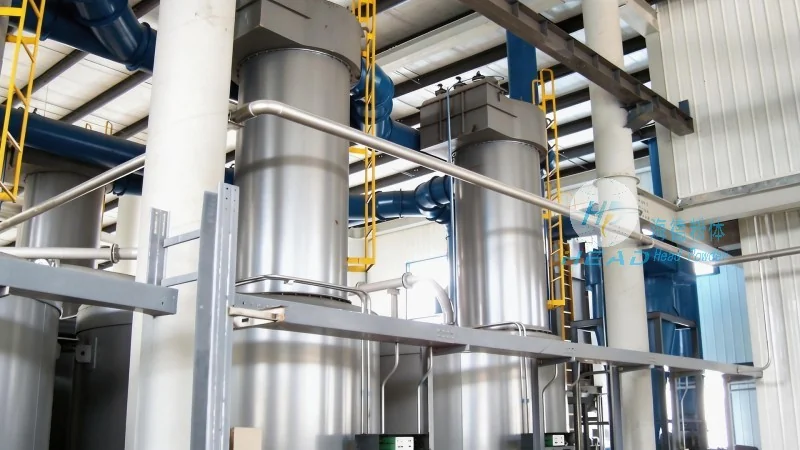
Desulfurization sodium bicarbonate, commonly used in flue gas desulfurization processes, is a fine powder that requires specialized handling to maintain its quality and prevent dust contamination. Pneumatic conveying offers an effective solution by using air to transport the powder from one location to another, eliminating the need for mechanical components that might cause material degradation or blockages. The system is designed to handle the unique properties of this powder, such as its light weight and potential for reactivity, ensuring reliable and efficient operation.
Key Components of the Pneumatic Conveying System
The pneumatic conveying system for desulfurization sodium bicarbonate typically consists of several key components that work in tandem to achieve efficient material transport. These include the material feed hopper, which holds the powder and regulates the flow rate; the air compressor or blower, which generates the necessary air pressure to move the powder; the conveying line, which can be either a rigid pipe or flexible hose, depending on the application; and the discharge hopper or receiver, where the powder is deposited at the destination. Additionally, the system may include filters and cyclones to separate the powder from the air, ensuring that the air is clean and the powder remains intact.
Operation Process: Step-by-Step Execution
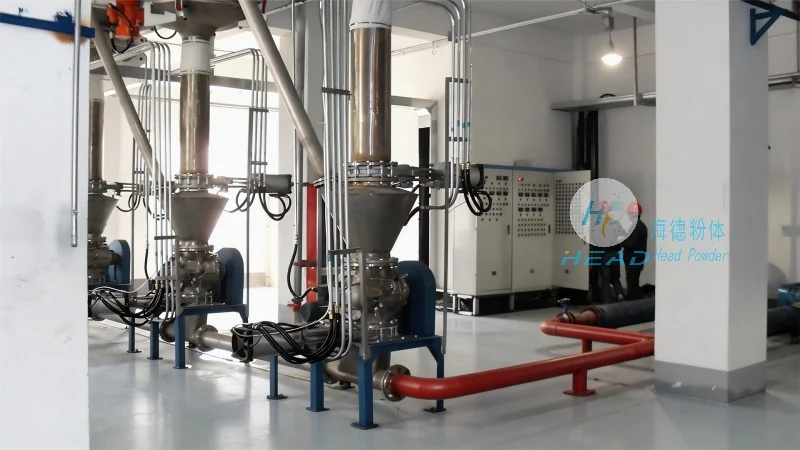
The operation of the desulfurization sodium bicarbonate pneumatic conveying system follows a systematic process that ensures consistent and reliable performance. The process begins with the loading of the powder into the feed hopper, where a feeder (such as a rotary valve or screw feeder) controls the flow rate to match the system's capacity. The air compressor then starts, generating the required pressure to create a flow of air through the conveying line. As the air moves through the line, it entrains the sodium bicarbonate powder, forming a slurry that travels to the discharge point. At the destination, the powder is separated from the air using a cyclone or filter, and the clean powder is collected in the receiving hopper. The system may also include a pressure regulator to maintain consistent air pressure and a flow meter to monitor the material throughput, ensuring optimal performance.
Working Principle: The Physics Behind Pneumatic Conveying
The working principle of pneumatic conveying relies on the fundamental physics of fluid dynamics and particle motion. In a positive pressure system, the air compressor pushes air into the conveying line, creating a pressure higher than the ambient air, which forces the powder to move along with the air. The powder particles are suspended in the air stream due to the drag force exerted by the air, and the system's design ensures that the air velocity is sufficient to keep the particles airborne without causing excessive wear or degradation. In a negative pressure system, the air is drawn from the conveying line using a vacuum pump, creating a lower pressure than the ambient air, which pulls the powder into the line. Both systems utilize the principle of air flow to transport the powder, but the choice between positive and negative pressure depends on factors such as the distance to be covered, the material properties, and the system's layout.
Advantages of Pneumatic Conveying for Desulfurization Sodium Bicarbonate
Pneumatic conveying offers several advantages when handling desulfurization sodium bicarbonate powder. Firstly, it provides a dust-free environment, which is crucial for maintaining the quality of the powder and ensuring worker safety. Unlike mechanical conveyors, which can cause particle attrition and contamination, pneumatic systems keep the powder intact and free from foreign particles. Secondly, the system is flexible and can be easily integrated into existing industrial setups, allowing for changes in the layout or capacity without major modifications. Thirdly, pneumatic conveying is energy-efficient, as the air compressor or blower can be sized to match the system's requirements, minimizing energy waste. Finally, the system is reliable and low-maintenance, with fewer moving parts compared to mechanical conveyors, reducing the risk of breakdowns and downtime.
Application Examples and Industrial Use Cases
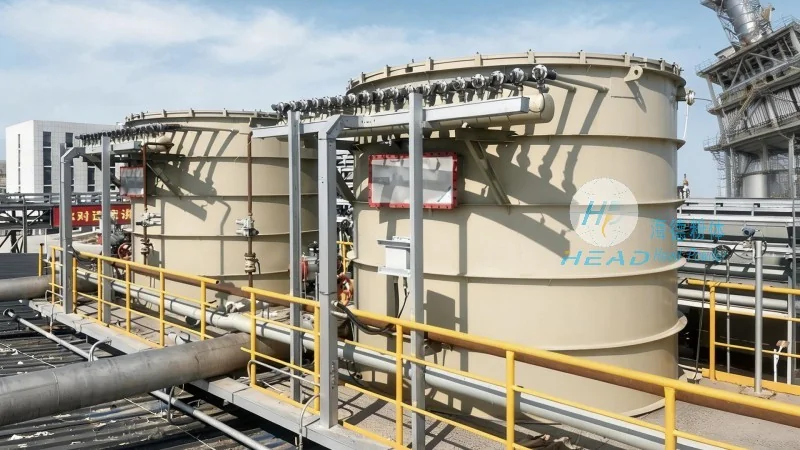
Desulfurization sodium bicarbonate pneumatic conveying systems are widely used in various industrial applications, particularly in power plants and chemical processing facilities. For example, in a coal-fired power plant, the system is used to transport the desulfurization powder from the storage silo to the flue gas desulfurization unit, ensuring a continuous supply of the material. In a chemical manufacturing plant, the system may be used to move the powder from a mixing tank to a packaging line, maintaining the product's quality and preventing contamination. The system's ability to handle fine powders and maintain a dust-free environment makes it ideal for applications where material purity is critical.
Conclusion and Company Information
Desulfurization sodium bicarbonate powder pneumatic conveying systems are essential for efficient and safe material handling in industrial settings. By understanding the operation process and working principles, users can optimize the system's performance and ensure reliable operation. Shandong HeadPowder Engineering Co., Ltd., a leading provider of pneumatic conveying solutions, specializes in designing and manufacturing systems tailored to the unique needs of desulfurization applications. With years of experience and a commitment to quality, the company offers reliable and efficient solutions for transporting desulfurization sodium bicarbonate powder, helping clients improve their operational efficiency and product quality.