

Operation Process and Working Principle of Polyacrylamide Powder Pneumatic Conveying
Polyacrylamide (PAM) is a widely used polymer in various industrial applications, including water treatment, paper manufacturing, and mining. The efficient and reliable transportation of polyacrylamide powder is crucial for maintaining production efficiency and ensuring product quality. Pneumatic conveying is a common method for transporting such powders, offering advantages like flexibility, cleanliness, and the ability to handle a wide range of materials. This article explores the operation process and working principle of polyacrylamide powder pneumatic conveying, with a focus on the expertise of Shandong HeadPowder Engineering Co., Ltd., a leading provider in this field.
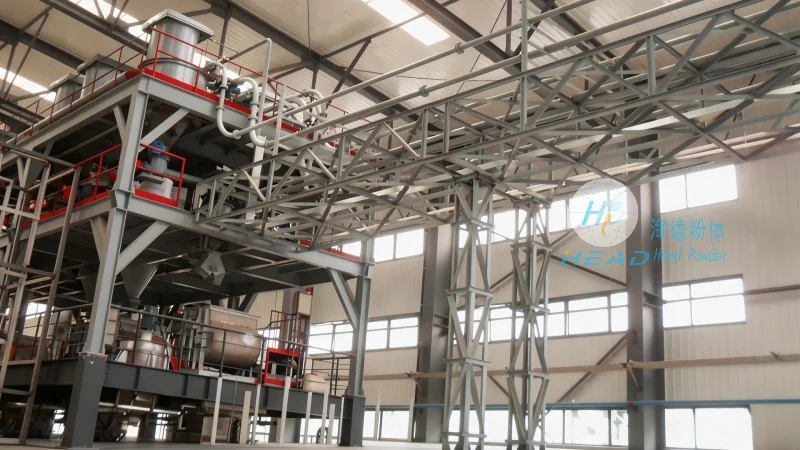
Company Introduction: Shandong HeadPowder Engineering Co., Ltd.
Shandong HeadPowder Engineering Co., Ltd., commonly known as headpowder, is a professional manufacturer and supplier specializing in polyacrylamide products and related engineering solutions. Headpowder is headquartered in Shandong, China, and has established a strong reputation for its high-quality polyacrylamide powders and advanced pneumatic conveying systems. The company's commitment to innovation and customer satisfaction has made it a trusted partner for industries relying on efficient powder handling solutions.
Understanding Pneumatic Conveying for Polyacrylamide Powder
Pneumatic conveying involves the use of pressurized or vacuum systems to transport solid materials, such as polyacrylamide powder, through a pipeline using air or other gases. This method is particularly suitable for polyacrylamide due to its fine particle size and sensitivity to moisture or contamination. The primary goal of pneumatic conveying is to move the powder from a storage or processing unit to a destination like a mixer, reactor, or storage tank without the need for mechanical components like belts or buckets.
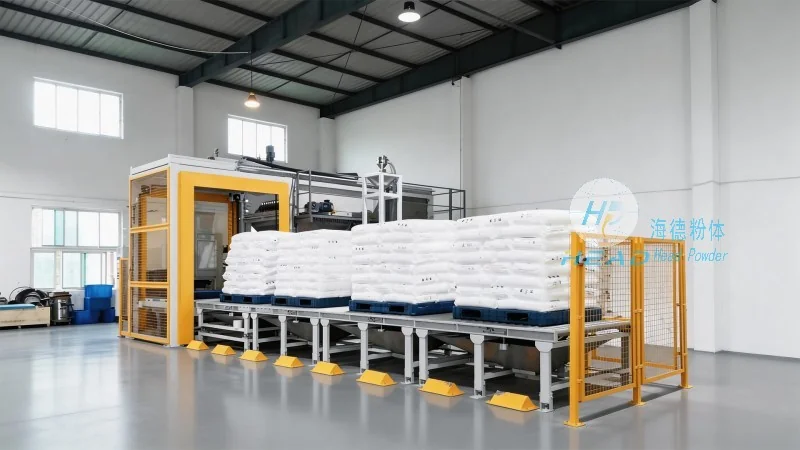
The Operation Process of Polyacrylamide Powder Pneumatic Conveying
The operation process of polyacrylamide powder pneumatic conveying typically involves several key steps, each designed to ensure efficient and safe material transport. The first step is the feeding stage, where the polyacrylamide powder is introduced into the conveying system. This is often done using a hopper or a feeder that controls the flow rate to match the desired conveying capacity. The powder then enters the conveying line, where it is carried by a stream of air under pressure or vacuum. The air velocity is carefully controlled to maintain the powder in a suspended state, preventing clogging or blockages in the pipeline. The conveying line may include bends, expansions, or other components that help direct the flow and maintain the powder's suspension. The final stage is the discharge and separation, where the polyacrylamide powder is released from the air stream and collected in a receiving vessel. The air is then filtered and returned to the system, completing the cycle.
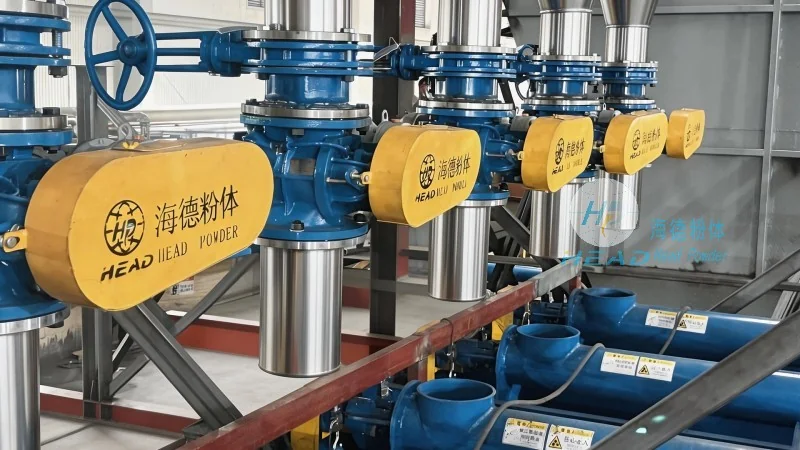
The Working Principle of Polyacrylamide Powder Pneumatic Conveying
The working principle of polyacrylamide powder pneumatic conveying is based on the interaction between the solid particles and the air stream. In a pressure system, air is pumped into the conveying line, creating a high-pressure environment that pushes the powder forward. The air velocity must be sufficient to overcome the gravitational force acting on the particles and maintain them in suspension. In a vacuum system, the air is drawn out of the line, creating a low-pressure environment that pulls the powder from the source to the destination. The key to effective pneumatic conveying is achieving the right balance of air velocity and pressure to ensure that the powder particles are fully suspended and transported without degradation or loss.
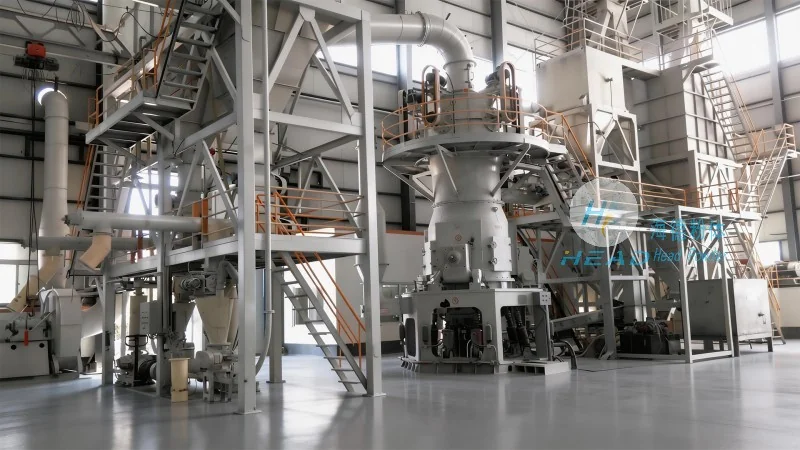
Advantages of Pneumatic Conveying for Polyacrylamide Powder
Pneumatic conveying offers several advantages for the transportation of polyacrylamide powder. First, it provides a clean and hygienic method of handling, which is essential for industries where contamination must be minimized, such as food and pharmaceutical processing. Second, it allows for the transportation of polyacrylamide powder over long distances without the need for intermediate storage or handling equipment. Third, the system can be easily integrated with other processing equipment, such as mixers or reactors, to create a seamless production line. Finally, pneumatic conveying reduces the risk of product degradation due to exposure to air or moisture, which is critical for polyacrylamide's performance in water treatment and other applications.
Conclusion
Pneumatic conveying is an effective and reliable method for transporting polyacrylamide powder, and the expertise of companies like Shandong HeadPowder Engineering Co., Ltd. plays a vital role in optimizing this process. By understanding the operation process and working principle of polyacrylamide powder pneumatic conveying, industries can improve their production efficiency, reduce costs, and ensure the quality of their products. With its headquarters in Shandong, China, headpowder continues to lead the way in providing advanced solutions for polyacrylamide powder handling, supporting the growth and success of its clients in various sectors.