

Operation Process and Working Principle of Sub-Zinc Oxide Powder Pneumatic Conveying
Sub-zinc oxide powder, a critical material in various industrial applications, often requires efficient and reliable transportation methods to ensure consistent quality and process efficiency. Pneumatic conveying, a technology that uses air or gas to transport particulate materials, has become a preferred solution for handling sub-zinc oxide powders due to its ability to minimize dust generation, maintain material integrity, and enhance overall system performance. This article explores the operation process and working principle of sub-zinc oxide powder pneumatic conveying, highlighting the key components, operational steps, and the role of specialized equipment in achieving optimal material transport.
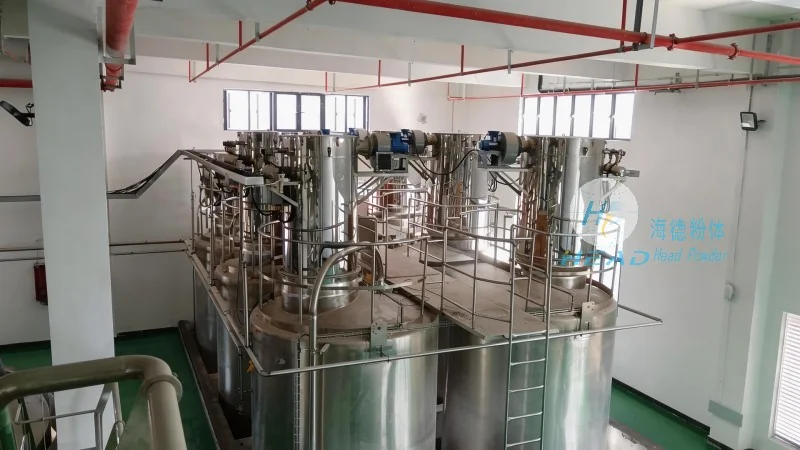
Key Components in Sub-Zinc Oxide Powder Pneumatic Conveying Systems
The effectiveness of sub-zinc oxide powder pneumatic conveying systems relies on a well-designed combination of components that work in tandem to ensure smooth material transport. The primary components typically include a material feed system, a conveying line, a dust collection system, and a control unit. The material feed system, often equipped with a hopper or a rotary valve, ensures a controlled and consistent feed of sub-zinc oxide powder into the conveying line. The conveying line, which can be either positive or negative pressure, is responsible for transporting the powder through the system. A dust collection system, such as a cyclone or a baghouse, is integrated to capture any airborne particles and maintain a clean working environment. The control unit manages the flow of air, pressure, and material, ensuring that the system operates within safe and efficient parameters.
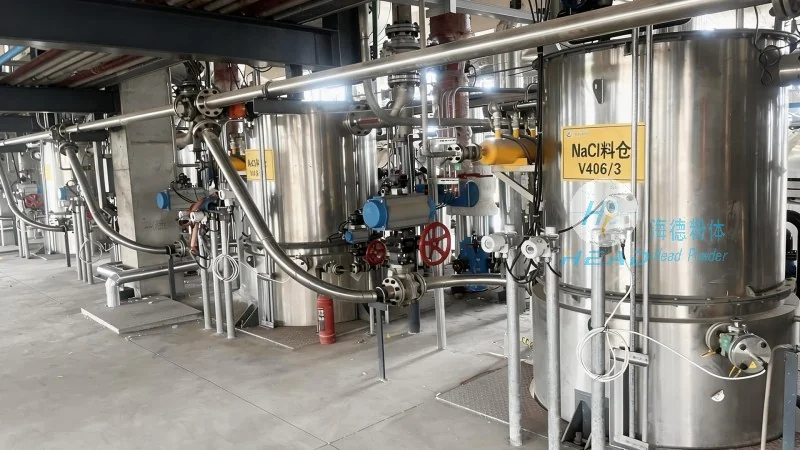
Operation Process of Sub-Zinc Oxide Powder Pneumatic Conveying
The operation process of sub-zinc oxide powder pneumatic conveying involves several sequential steps that ensure the material is transported from the source to the destination without loss or degradation. The first step is the preparation of the sub-zinc oxide powder, which may include drying or sieving to ensure uniform particle size and moisture content. Next, the powder is fed into the system via the material feed system, where it is introduced into the conveying line. The conveying line, under pressure from a blower or compressor, moves the powder through the system. The powder travels through the line, often with the assistance of bends or elbows, and is directed towards the destination point, such as a storage silo or a processing unit. The system continuously monitors the flow rate and pressure, adjusting as needed to maintain optimal performance. At the destination, the powder is discharged and collected, completing the transport process. Throughout this process, the system ensures that the sub-zinc oxide powder remains intact, with minimal agglomeration or degradation, which is crucial for maintaining its quality in subsequent applications.
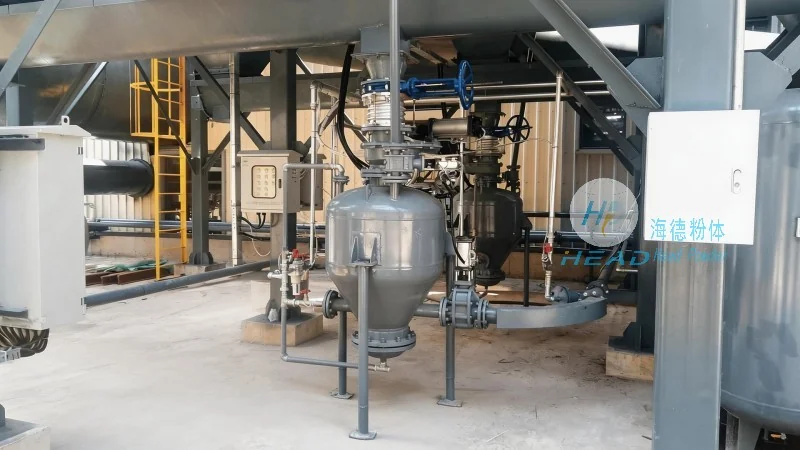
Working Principle of Pneumatic Conveying for Sub-Zinc Oxide Powder
The working principle of pneumatic conveying for sub-zinc oxide powder is based on the fundamental concept of using air or gas to create a flow that transports the particulate material. In positive pressure systems, a blower or compressor generates high-pressure air that pushes the powder through the conveying line. The air and powder mixture moves through the system, with the air providing the necessary force to overcome the resistance and gravity. The velocity of the air is critical, as it must be sufficient to keep the powder suspended and prevent settling. In negative pressure systems, a vacuum pump creates a low-pressure environment that draws the powder into the conveying line. The powder is then pulled through the system towards the collection point. The choice between positive and negative pressure depends on factors such as the distance to be covered, the material properties, and the system layout. For sub-zinc oxide powder, which is often fine and prone to dust, the working principle must also consider the need to minimize particle breakage and maintain the powder's physical characteristics. The system's design, including the type of air flow and the velocity, plays a crucial role in achieving this balance.
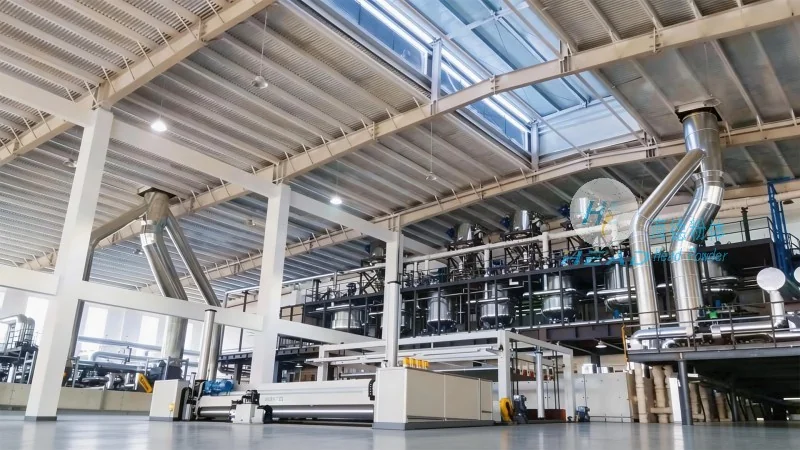
Role of Shandong HeadPowder Engineering Co., Ltd. in Sub-Zinc Oxide Powder Pneumatic Conveying
Shandong HeadPowder Engineering Co., Ltd., a leading provider of engineering solutions for powder handling systems, specializes in designing and manufacturing pneumatic conveying systems tailored to the needs of sub-zinc oxide powder applications. With a focus on innovation and customer satisfaction, the company leverages advanced technology and expertise to develop systems that enhance the efficiency and reliability of material transport. The company's engineers work closely with clients to understand their specific requirements, including the volume of sub-zinc oxide powder to be transported, the distance, and the destination points. Based on this information, they design customized systems that incorporate the appropriate components and control mechanisms. HeadPowder's systems are known for their durability, low maintenance, and ability to handle the unique challenges associated with sub-zinc oxide powder, such as its fine particle size and potential for dust generation. The company's commitment to quality and performance has made it a trusted partner for industries relying on sub-zinc oxide powder in their production processes.