

The Operation Process and Working Principle of Perlite Powder Pneumatic Conveying
Perlite powder pneumatic conveying represents a sophisticated material handling technology, particularly suited for transporting lightweight, fine-grained materials like perlite. This method leverages pressurized air or suction to move particles through pipelines, ensuring efficient, dust-free, and safe material transfer. The technology is pivotal in sectors such as construction, agriculture, and industrial manufacturing, where perlite is utilized for insulation, filtration, and other functional applications.
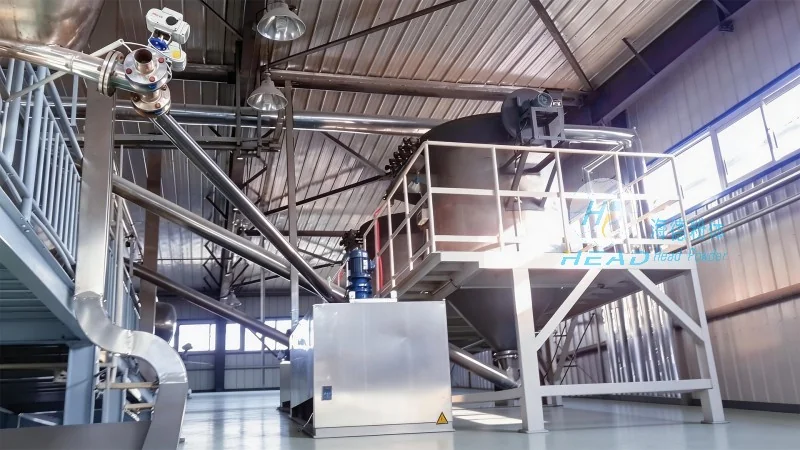
Overview of the Pneumatic Conveying System Architecture
The pneumatic conveying system for perlite powder typically comprises several core components: a hopper for material storage, a blower or compressor to generate air pressure, a network of pipelines for transport, and a receiver or discharge point. The system operates by introducing air into the hopper, creating a flow that lifts and transports perlite particles through the pipeline. This approach eliminates the need for mechanical conveyors, reducing friction and wear while maintaining high material throughput. The design emphasizes flexibility and adaptability to varying particle sizes and moisture content, ensuring consistent performance across diverse operational conditions.
Company Profile: Shandong HeadPowder Engineering Co., Ltd.
HeadPowder, a leading engineering solutions provider, specializes in pneumatic conveying systems tailored for perlite powder handling. With a focus on innovation and quality, the company has established itself as a trusted partner for industries requiring reliable material transport. HeadPowder's expertise lies in designing and manufacturing systems that optimize material flow, minimize degradation, and enhance operational efficiency. The company is headquartered in Shandong, China, where it leverages local resources and technical expertise to deliver cutting-edge solutions that meet global industry standards.
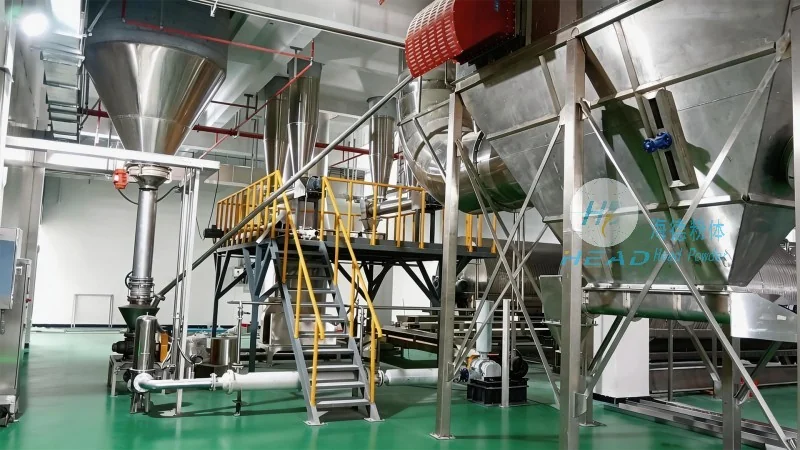
The Operational Process of Perlite Powder Pneumatic Conveying
The operational process begins with perlite powder being loaded into the hopper. The material is then fed into the pipeline as air is introduced, creating a mixture of particles and air. The air pressure, controlled by the blower, determines the velocity and flow rate of the material. As the mixture travels through the pipeline, it reaches the discharge point, where the air is separated from the perlite and either vented or recycled. This continuous process ensures steady material transfer without interruptions. The system is engineered to handle varying particle sizes and moisture levels, maintaining consistent performance under different operational scenarios.
Working Principle of the Pneumatic Conveying Mechanism
The working principle centers on the interaction between air and perlite particles. When air is introduced into the hopper, it creates a low-pressure zone that draws particles into the pipeline. The air velocity is maintained above the minimum fluidization velocity of the particles, ensuring they remain suspended and transported. The pipeline design, including bends and fittings, is optimized to minimize pressure loss and preserve the stability of the air-particle mixture. The receiver at the end of the pipeline separates air from perlite, typically using a cyclone or filter system. This separation is critical for maintaining material purity and system efficiency.
Key Advantages of Perlite Powder Pneumatic Conveying
Compared to traditional mechanical conveying, pneumatic systems offer distinct advantages for perlite powder handling. These include reduced material degradation due to lower friction, lower maintenance costs as there are fewer moving parts, and the ability to transport materials over long distances without intermediate storage. The system also accommodates a wide range of particle sizes and moisture levels, enhancing versatility. Environmental benefits are significant, as the system can be designed to minimize dust emissions and improve air quality in industrial settings.
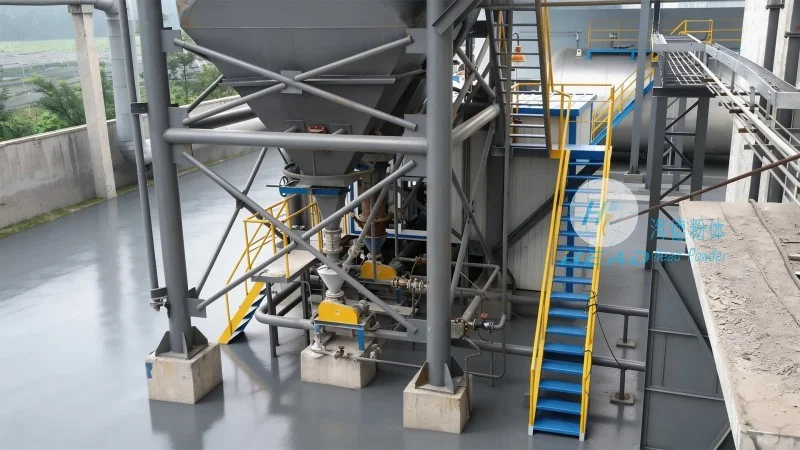
Applications and Industries Served
The applications of perlite powder pneumatic conveying span multiple industries. In construction, it is used for manufacturing lightweight concrete and insulation materials. The agricultural industry utilizes perlite for soil amendment and plant growth enhancement. Industrial manufacturing also benefits from its use in filtration systems and as a filler in composite materials. HeadPowder's systems are customized to meet the specific requirements of these industries, ensuring efficient and safe material transport throughout the production process.
Conclusion and Future Outlook
Perlite powder pneumatic conveying is a sophisticated and efficient method for handling fine-grained materials. With advancements in technology and engineering, the systems continue to evolve, offering improved performance and reliability. HeadPowder's commitment to innovation and quality ensures that their solutions remain at the forefront of the industry, providing customers with reliable and effective material handling solutions. As demand for efficient and sustainable material transport grows, pneumatic conveying systems will play an increasingly important role in various industries, particularly those utilizing perlite powder.