

Operation Process and Working Principle of Grain Husk Powder Pneumatic Conveying System
Grain husk, a byproduct of agricultural processing, often requires efficient handling and transportation for various industrial applications. The pneumatic conveying system designed for grain husk powder offers a reliable solution that combines advanced technology with practical engineering to ensure smooth material transfer. This article delves into the operation process and working principle of such a system, highlighting its key components, operational dynamics, and the benefits it provides to industries dealing with bulk powder materials.
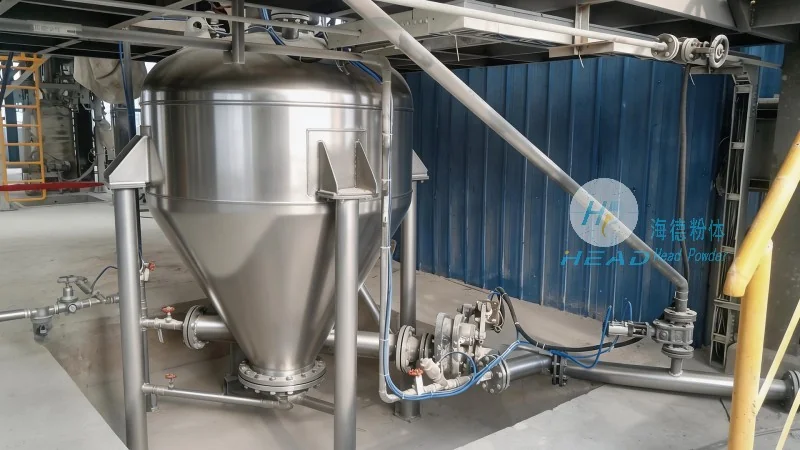
Overview of the Grain Husk Powder Pneumatic Conveying System
The grain husk powder pneumatic conveying system is a specialized equipment designed to transport granular or powdery materials, such as grain husk, through a pipeline using compressed air. It is widely used in agricultural processing, food processing, and other industries where the handling of bulk materials is essential. The system typically consists of several key components, including a hopper for material storage, a feeder to control the flow rate, a conveying line, and a receiver for the discharged material. Each component plays a crucial role in ensuring the efficient and safe operation of the system.
Working Principle of the Pneumatic Conveying System
The core of the pneumatic conveying system lies in the use of compressed air to create a flow that moves the grain husk powder through the pipeline. The process begins with the material being fed from the hopper into the conveying line. The feeder, often a rotary valve or a screw feeder, regulates the amount of material entering the line, ensuring a consistent flow rate. As the compressed air is introduced into the conveying line, it creates a pressure differential that propels the grain husk powder forward. The air and material mixture travels through the pipeline, with the air providing the necessary force to overcome friction and gravity, while the material is carried along as a suspension. The receiver at the end of the line collects the material, and the air is then filtered and recycled back into the system, minimizing waste and energy consumption.
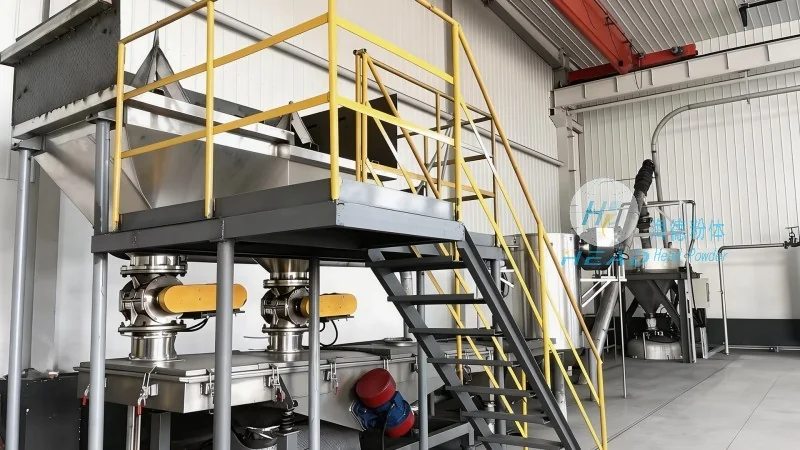
Operation Process of the System
The operation of the grain husk powder pneumatic conveying system involves several sequential steps that ensure smooth and continuous material transfer. First, the hopper is filled with grain husk powder, and the system is started by activating the compressed air supply and the feeder. The feeder then begins to discharge the material into the conveying line at a controlled rate. Simultaneously, the compressed air is introduced, creating the necessary pressure to move the material. As the material travels through the pipeline, it is carried by the air flow, which maintains the suspension and prevents clogging. The receiver at the discharge end collects the material, and the system continues to operate until the hopper is emptied or the required amount of material has been transferred. The system can be stopped by shutting off the air supply and the feeder, allowing for maintenance or adjustment as needed.
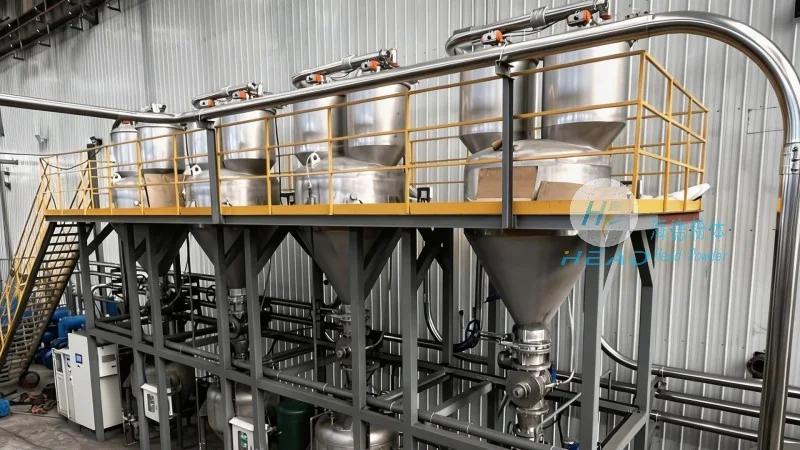
Key Components and Their Functions
Several critical components are integral to the efficient operation of the grain husk powder pneumatic conveying system. The hopper serves as the storage vessel, holding the grain husk powder and providing a consistent feed to the system. The feeder, such as a rotary valve or a screw conveyor, controls the flow rate of the material, ensuring that the conveying line is not overloaded and that the material is transported at an optimal speed. The conveying line, typically made of stainless steel or other corrosion-resistant materials, is designed to withstand the pressure and friction of the air and material mixture. The receiver collects the discharged material and may include a filter or separator to remove any excess air or dust. Additionally, the system may include a filter unit to clean the compressed air and a blower or compressor to generate the necessary air pressure.
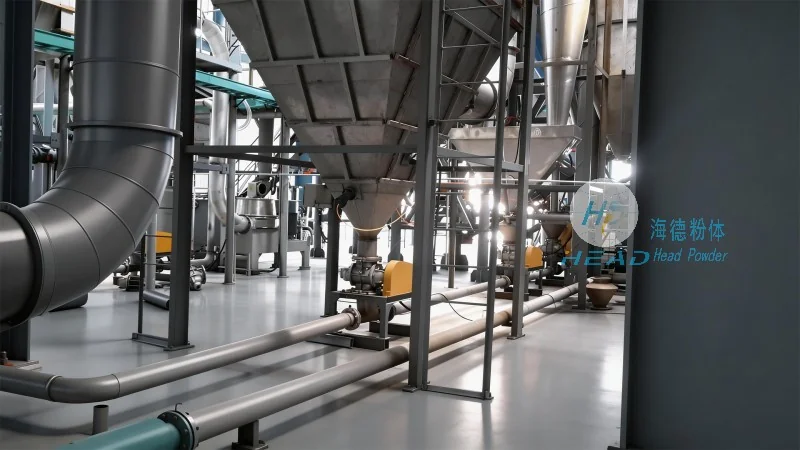
Benefits and Applications of the System
The grain husk powder pneumatic conveying system offers numerous benefits for industries dealing with bulk powder materials. It provides a dust-free and hygienic method of material transfer, which is particularly important in food processing and pharmaceutical industries. The system also reduces the need for manual handling, improving safety and reducing labor costs. Furthermore, the system is compact and can be installed in various locations, making it suitable for both new and existing facilities. The applications of this system include the transportation of grain husk from storage to processing units, the delivery of materials to packaging lines, and the transfer of waste materials for recycling or disposal.
Conclusion
In conclusion, the grain husk powder pneumatic conveying system is a highly efficient and reliable solution for the transportation of bulk powder materials. Its working principle, based on compressed air and controlled material flow, ensures smooth and continuous operation. The system's components work together to provide a safe and effective method of material transfer, with benefits including dust reduction, labor savings, and flexibility in installation. For industries dealing with grain husk and other similar materials, this system offers a practical and cost-effective solution to meet their material handling needs. As a leading provider in this field, Shandong HeadPowder Engineering Co., Ltd. specializes in designing and manufacturing such systems, ensuring that clients receive high-quality equipment tailored to their specific requirements.