

Operation Process and Working Principle of a Pneumatic Conveying System for Winery Waste Powder
Winery waste, such as grape pomace and other solid residues from the winemaking process, often requires efficient and hygienic handling. The pneumatic conveying system for winery waste powder, developed by Shandong HeadPowder Engineering Co., Ltd., offers a reliable solution to transport these materials with precision and minimal contamination. This article explores the operation process and working principle of this specialized system, highlighting its key components and operational dynamics.
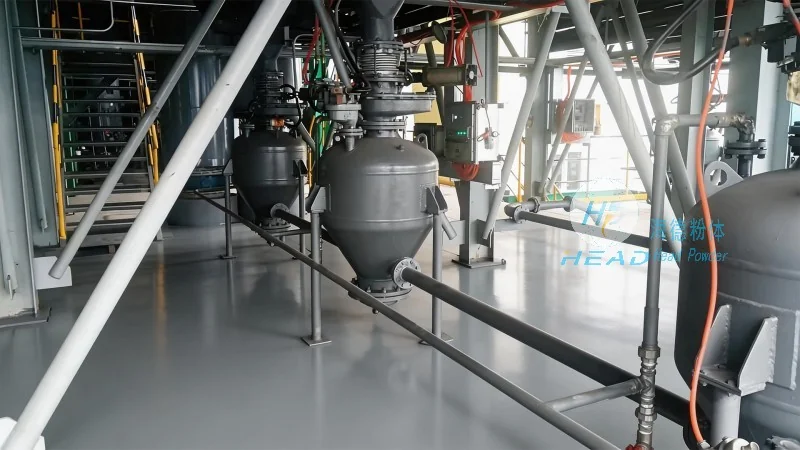
System Overview and Core Components
The pneumatic conveying system for winery waste powder is engineered to handle powders like grape pomace, which are typically fine and can be prone to dust generation. The system comprises several critical components that work in tandem to ensure smooth material transport. These include a hopper for material storage, a rotary valve or feeder to control the flow rate, a pneumatic conveyor (either positive or negative pressure), and a collection or discharge unit. Each component is designed to maintain the integrity of the waste material while minimizing operational risks and ensuring compliance with hygiene standards.
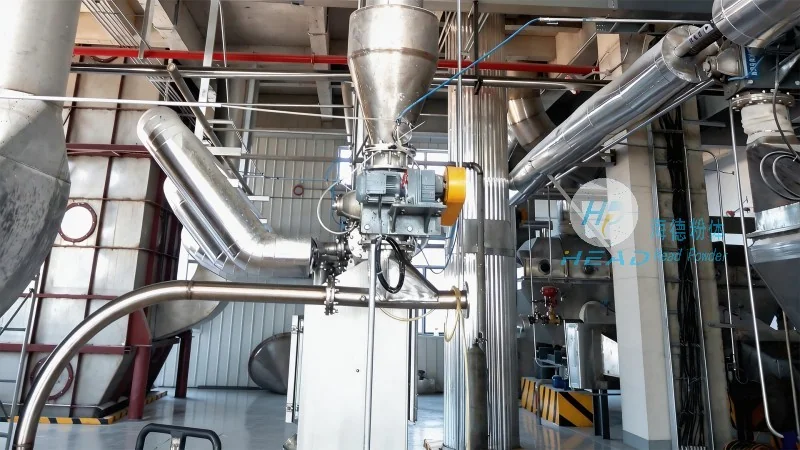
Working Principle: How the System Transfers Material
The fundamental principle of pneumatic conveying involves using air or gas to move solid particles through a pipeline. In the case of the winery waste powder system, the process typically starts with the material being fed from the hopper into the conveyor line. A rotary valve or feeder regulates the flow, ensuring a consistent and controlled rate of material introduction. Simultaneously, the pneumatic conveyor generates a pressure differential—either by creating a vacuum (negative pressure) or pressurizing the system (positive pressure)—to draw or push the material through the pipeline. The air flow carries the powder particles, maintaining their suspension and preventing clogging. The system's design ensures that the air and material mixture is efficiently separated at the discharge point, with the waste collected in a designated container while the air is filtered and recycled or vented as needed.
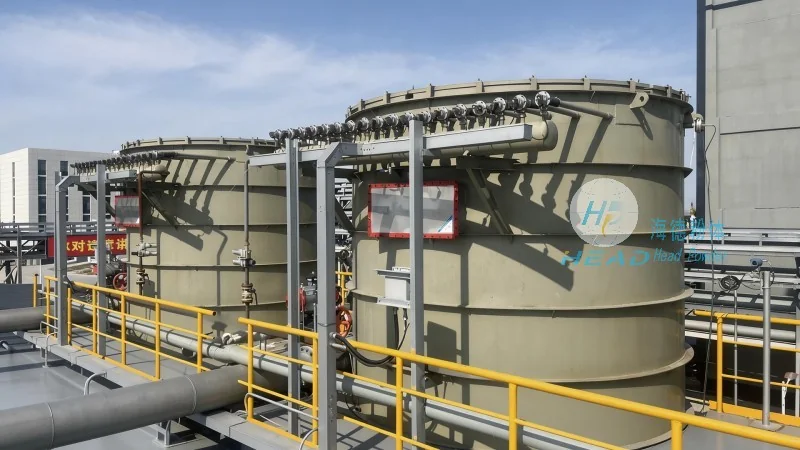
Operation Process: Step-by-Step Execution
The operation of the pneumatic conveying system for winery waste powder follows a systematic sequence to ensure optimal performance and material handling. Initially, the hopper is filled with the winery waste powder, and the system is activated. The rotary valve or feeder starts, controlling the flow rate based on the system's requirements. The pneumatic conveyor then begins to operate, creating the necessary pressure or vacuum to move the material. As the material travels through the pipeline, it is continuously suspended by the air flow, preventing agglomeration and ensuring uniform transport. At the discharge end, the material is deposited into a collection bin, while the air is filtered to remove any residual dust. The system maintains a stable operation until the hopper is emptied or the material flow is adjusted. Regular maintenance, such as checking the air filter and ensuring the feeder is functioning correctly, is essential to keep the system running efficiently.
Key Advantages and Benefits
Implementing a pneumatic conveying system for winery waste powder offers several advantages that enhance operational efficiency and sustainability. First, it provides a hygienic and dust-free method of handling waste materials, which is crucial in food processing environments. The enclosed system minimizes exposure to airborne particles, reducing the risk of contamination and improving workplace safety. Second, the system offers flexibility in material transport, allowing for vertical, horizontal, or mixed-direction movement, adapting to the layout of the winery facility. Third, it reduces labor costs by automating the material handling process, as the system can operate continuously without manual intervention. Additionally, the system's energy efficiency and low maintenance requirements contribute to long-term cost savings. For wineries seeking to streamline their waste management processes, this pneumatic conveying system from Shandong HeadPowder Engineering Co., Ltd. represents a robust and reliable solution.
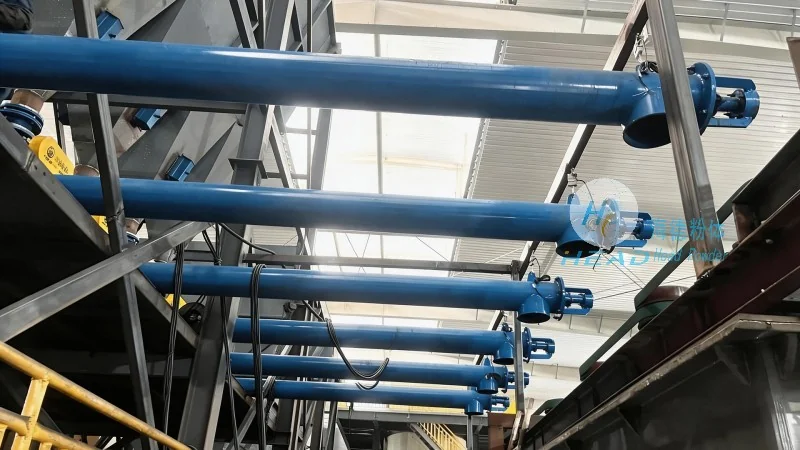
Conclusion: Enhancing Winery Operations with Advanced Technology
In conclusion, the pneumatic conveying system for winery waste powder, developed by Shandong HeadPowder Engineering Co., Ltd., is a sophisticated solution that addresses the challenges of handling fine waste materials in the winemaking industry. By understanding the operation process and working principle of this system, wineries can optimize their material transport processes, improve hygiene standards, and reduce operational costs. The system's design, which integrates reliable components and efficient air management, ensures consistent performance and adaptability to various winery layouts. As a key player in providing engineering solutions for industrial waste handling, Shandong HeadPowder Engineering Co., Ltd. continues to innovate, offering systems that meet the evolving needs of the winemaking sector. With its focus on precision, hygiene, and efficiency, this pneumatic conveying system is a valuable asset for wineries aiming to enhance their operational capabilities and sustainability.