

Operation Process and Working Principle of Dry Bulk Powder Pneumatic Conveying Systems
For industries dealing with dry powders and bulk materials, efficient material handling is crucial for maintaining production efficiency and product quality. Pneumatic conveying systems have emerged as a reliable solution, offering a dust-free, flexible, and cost-effective method to transport dry materials over varying distances. This article delves into the operation process and working principle of such systems, highlighting the technical aspects and practical applications that make them indispensable in modern material handling operations.
Working Principle of Pneumatic Conveying Systems
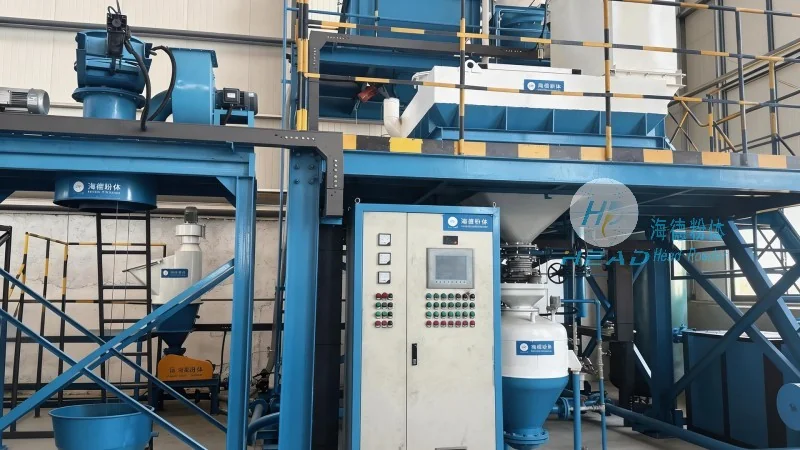
The core of a pneumatic conveying system lies in its ability to use air pressure to move dry powders. Typically, these systems operate on one of two principles: pressure or vacuum. In pressure systems, compressed air is introduced into a hopper or container, creating a pressure differential that forces the material through a pipeline. Conversely, vacuum systems use a vacuum pump to create a negative pressure that draws the material from a source into the conveying line. The choice between pressure and vacuum depends on factors like material properties, distance, and system layout. The system components, including the hopper, feeder, pipeline, and receiver, work in tandem to ensure smooth material flow. The feeder, often a rotary valve or a screw feeder, controls the material discharge rate, while the pipeline is designed to minimize pressure drop and maintain consistent flow. The receiver, where the material is deposited, is equipped with a dust collection system to prevent contamination and ensure environmental compliance.
Operation Process of a Typical Pneumatic Conveying System
The operation of a pneumatic conveying system involves several key steps that ensure reliable and continuous material transport. First, the dry bulk powder is loaded into the hopper, which serves as the storage and feeding unit. The feeder then regulates the material flow, ensuring a consistent feed rate to the system. Compressed air is then introduced into the system, either through a blower or a compressor, creating the necessary pressure or vacuum. The material is then entrained by the air and carried through the pipeline to the receiving hopper or storage tank. The process continues as long as the material is being fed and the air supply is maintained. During operation, it is essential to monitor system parameters such as pressure, flow rate, and material level to ensure optimal performance. Regular maintenance, including cleaning the pipeline and checking for leaks, is also critical to prevent system downtime and maintain efficiency.
Key Components and Their Roles in the System
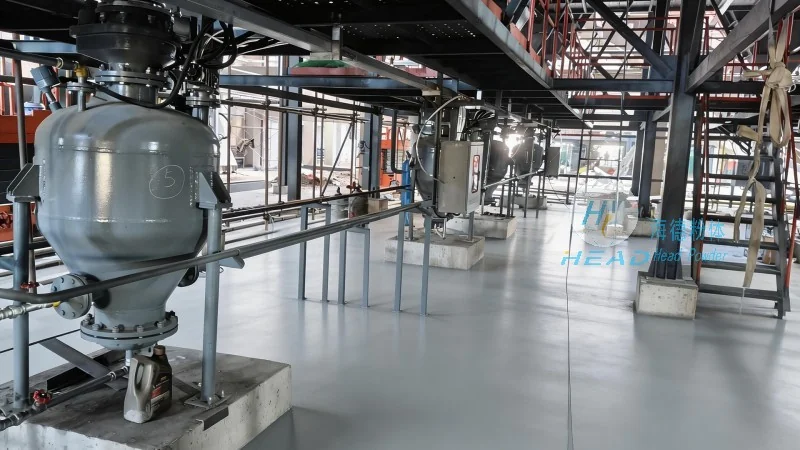
Each component of a pneumatic conveying system plays a vital role in its overall performance. The hopper, typically made of stainless steel or other corrosion-resistant materials, stores the dry powder and provides a controlled environment for material discharge. The feeder, which can be a rotary valve, screw feeder, or vibratory feeder, controls the material flow rate, preventing overfeeding or underfeeding that could disrupt the system. The pipeline, usually made of metal or plastic, is designed to withstand the pressure or vacuum conditions and minimize friction losses. The receiver, where the material is deposited, is equipped with a dust collection system, such as a cyclone or bag filter, to capture any fine particles and prevent contamination. Additionally, the system may include a blower or compressor to generate the necessary air pressure, and a control panel to monitor and adjust system parameters. Proper selection and maintenance of these components are essential to ensure the system operates efficiently and reliably.
Applications and Benefits of Pneumatic Conveying Systems
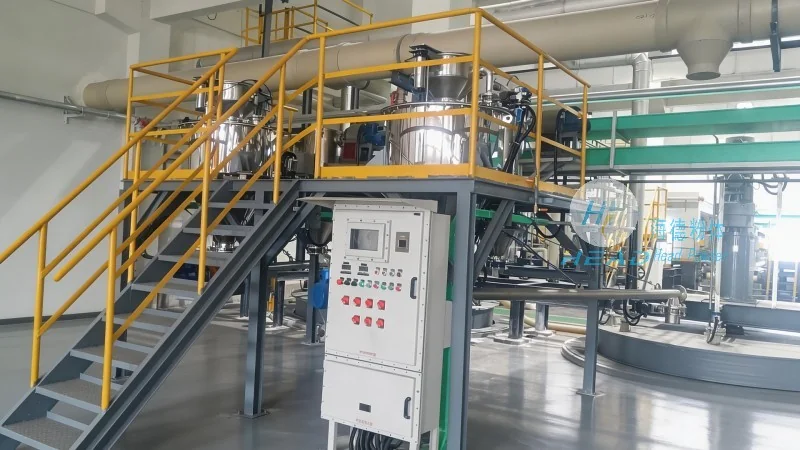
Pneumatic conveying systems are widely used in various industries, including food processing, pharmaceuticals, chemicals, and mining. Their ability to handle a wide range of materials, from fine powders to bulk solids, makes them versatile and adaptable to different applications. The benefits of using pneumatic conveying systems include reduced dust generation, improved safety, lower maintenance costs, and increased flexibility in system layout. Compared to traditional methods like belt conveyors or bucket elevators, pneumatic systems offer a more hygienic and efficient solution, especially in industries where product contamination is a concern. The system's ability to transport materials over long distances without the need for multiple transfer points also enhances operational efficiency. Additionally, the system's modular design allows for easy expansion or modification, making it suitable for growing production needs.
Conclusion and Company Overview
In conclusion, pneumatic conveying systems are a critical component in the efficient handling of dry bulk powders. Their operation process, based on air pressure or vacuum, and working principle, which involves the coordinated action of various components, ensure reliable and continuous material transport. The benefits of using such systems, including improved safety, reduced dust, and increased efficiency, make them a preferred choice for many industries. As a leading provider in the field, Shandong HeadPowder Engineering Co., Ltd. specializes in designing and manufacturing high-quality pneumatic conveying systems tailored to the specific needs of clients. With a focus on innovation and customer satisfaction, the company ensures that its systems meet the highest standards of performance and reliability. Based in Shandong, China, HeadPowder has established itself as a trusted partner for industries seeking efficient and effective material handling solutions.