

Operation Process and Working Principle of Cereal Powder Pneumatic Conveying System
For industries dealing with cereal powders, efficient and reliable material handling is crucial. The cereal powder pneumatic conveying system, developed by Shandong HeadPowder Engineering Co., Ltd., offers a sophisticated solution to transport bulk materials like cereal powders with precision and minimal loss. This system integrates advanced technology to ensure smooth operation, making it an essential asset for food processing and related sectors.
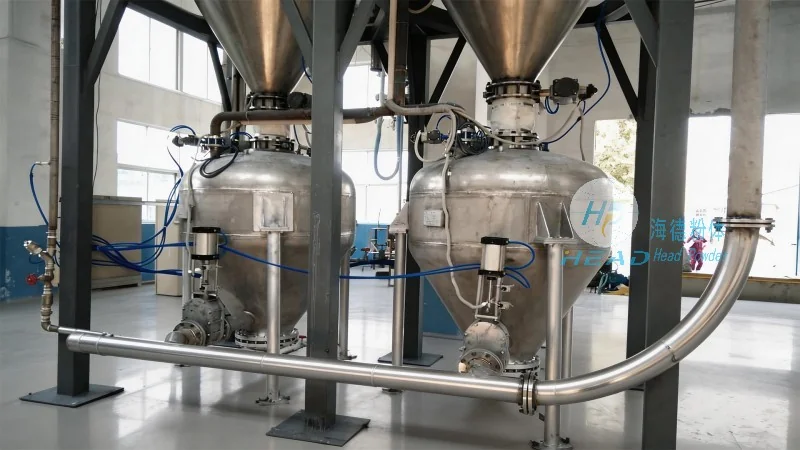
Key Components of the Pneumatic Conveying System
The system comprises several critical components that work in tandem to achieve effective material transport. These include the hopper for material storage, the air compressor or blower to generate the conveying air, the pipeline network that transports the material, and the control system for regulating flow and pressure. Each component is designed to handle the specific characteristics of cereal powders, such as their fine particle size and potential for caking, ensuring optimal performance.
Operation Process of the Cereal Powder Pneumatic Conveying System
The operation process begins with the material being fed into the hopper. The control system then activates the air compressor, which generates a high-pressure air stream. This air stream is directed through the pipeline, creating a vacuum or pressure differential that pulls the cereal powder particles into the system. As the air flows, the powder is carried along the pipeline, reaching the discharge point where it is collected in the receiving container. The system maintains consistent flow rates by adjusting air pressure and material feed, ensuring stable and continuous operation.
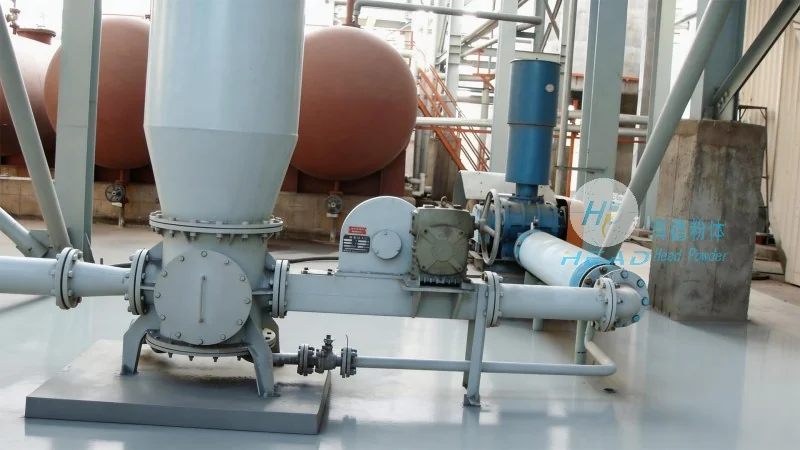
Working Principle of the Pneumatic Conveying System
The core working principle revolves around the use of air as the conveying medium. In a positive pressure system, the air compressor pushes air into the pipeline, creating a pressure higher than the ambient air, which forces the cereal powder to move through the system. In a negative pressure (or suction) system, the blower creates a vacuum, drawing the powder from the source into the pipeline. The system's design allows for flexible operation, adapting to different material properties and process requirements. The headpowder system leverages these principles to provide efficient, low-cost, and low-dust material handling solutions for cereal powders.
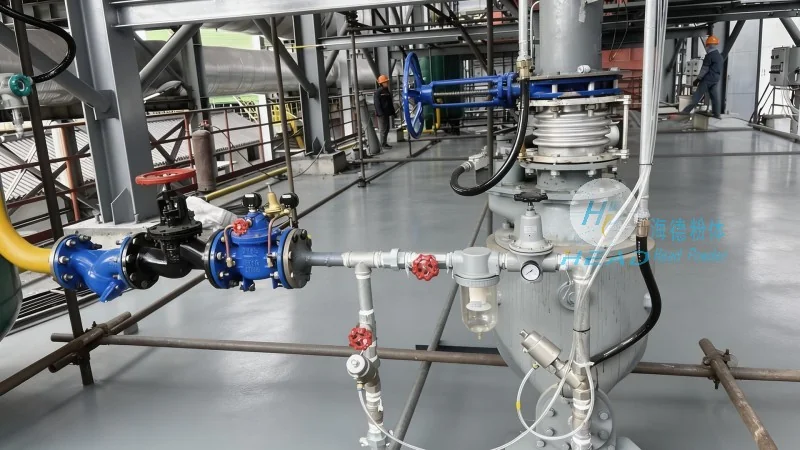
Advantages of the Cereal Powder Pneumatic Conveying System
Compared to traditional mechanical conveying methods, the pneumatic system offers several advantages. It eliminates the need for moving parts in the conveying line, reducing maintenance costs and minimizing the risk of material contamination. The system also provides better control over flow rates and pressure, ensuring consistent product quality. Additionally, it can handle materials with varying particle sizes and moisture content, making it versatile for different cereal powder applications. The use of air as the conveying medium also reduces the risk of product degradation and spoilage, which is critical for food-grade materials.
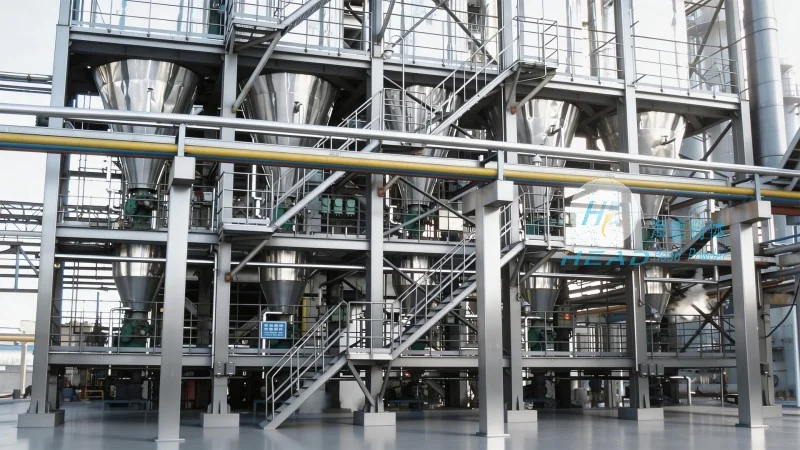
Applications in the Food Industry
The cereal powder pneumatic conveying system is widely used in the food processing industry, particularly for handling ingredients like wheat flour, cornmeal, and other grain powders. In bakeries and cereal manufacturers, the system efficiently transports raw materials from storage to production lines, ensuring a steady supply of high-quality ingredients. It is also used in the packaging and distribution stages, where the system can transfer finished products to storage or shipping containers. The system's ability to maintain product integrity and prevent contamination makes it an ideal choice for food processing applications.
Maintenance and Operational Considerations
To ensure the long-term performance of the cereal powder pneumatic conveying system, regular maintenance is essential. This includes checking the air compressor for proper operation, cleaning the pipeline to prevent clogging, and inspecting the hopper and control system for any signs of wear or damage. The system's control panel allows operators to monitor pressure, flow rate, and other critical parameters, enabling quick adjustments to maintain optimal performance. Proper training of operators is also crucial to ensure safe and efficient operation, minimizing downtime and maximizing productivity.