

Operation Process and Working Principle of Cement Auxiliary Powder Pneumatic Conveying System
For many industrial applications, especially in the cement industry, efficient and reliable material handling is crucial for maintaining production efficiency and product quality. Among the various methods available, pneumatic conveying systems have emerged as a preferred solution for transporting cement auxiliary powders. These systems offer a flexible, low-maintenance, and dust-free alternative to traditional methods like belt conveyors or bucket elevators. In this article, we will explore the operation process and working principle of a cement auxiliary powder pneumatic conveying system, highlighting the key components, the step-by-step operation, and the underlying technology that enables seamless material transfer.
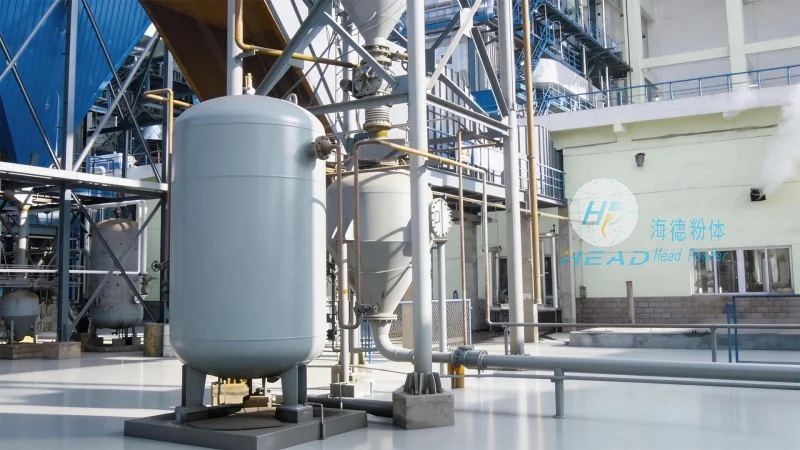
Company Overview: Shandong HeadPowder Engineering Co., Ltd.
HeadPowder, a leading name in the field of powder handling and conveying solutions, is dedicated to providing innovative and efficient systems for the cement industry. With a strong presence in China, particularly in Shandong province, the company specializes in designing, manufacturing, and installing pneumatic conveying systems tailored to the specific needs of cement manufacturers. The expertise and experience of HeadPowder engineers ensure that each system is optimized for performance, reliability, and long-term durability. By leveraging advanced engineering principles and cutting-edge technology, HeadPowder delivers solutions that enhance productivity while reducing operational costs.
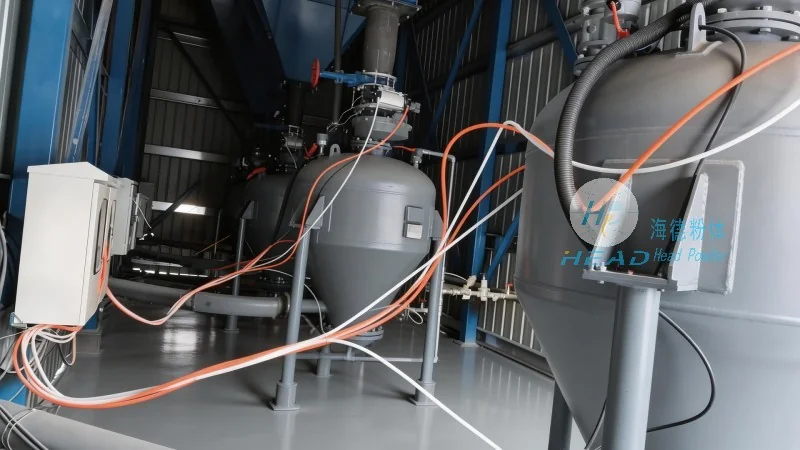
The Core Components and Their Roles in the Pneumatic Conveying System
A typical cement auxiliary powder pneumatic conveying system consists of several critical components, each playing a vital role in the overall operation. The main components include the hopper, feeder, air compressor, conveying line, and receiver. The hopper serves as the storage vessel for the cement auxiliary powders, providing a consistent feed to the system. The feeder, often a rotary valve or a screw feeder, regulates the flow of material from the hopper into the conveying line. The air compressor generates the necessary pressure and airflow to move the powders through the system. The conveying line, which can be made of metal or flexible tubing, transports the material from the feeder to the receiver. The receiver is the final storage or processing vessel where the material is deposited. Additionally, components like filters, cyclones, and pressure vessels are integrated to ensure the system operates safely and efficiently, preventing dust emissions and maintaining material integrity.
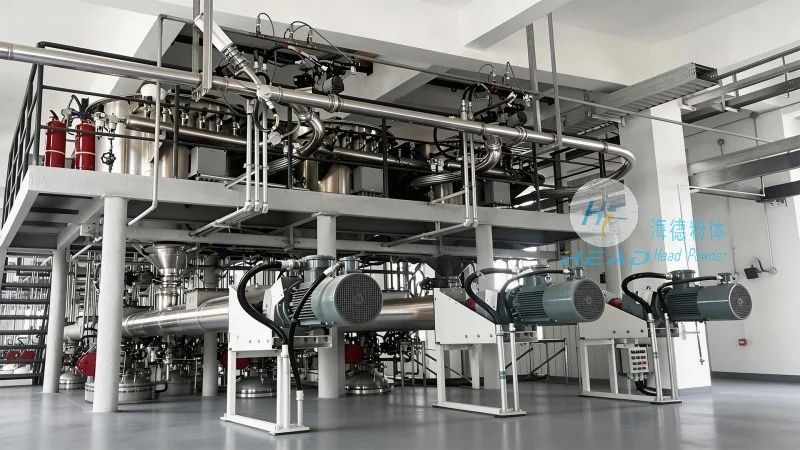
Detailed Operation Process of the Pneumatic Conveying System
The operation of a cement auxiliary powder pneumatic conveying system follows a systematic sequence of steps, ensuring smooth and continuous material transfer. The process begins with the material being loaded into the hopper. The feeder then controls the discharge rate, feeding the powder into the conveying line at a controlled speed. Simultaneously, the air compressor starts, generating a high-pressure airflow that travels through the conveying line. As the air and powder mixture moves through the line, the powder particles are suspended and carried to the receiver. The receiver is positioned at the end of the line, where the material is deposited. The system may include a filter or cyclone to separate any fine particles from the air, ensuring that the exhaust air is clean and the material is free from contamination. The entire process is automated, with sensors and control systems monitoring the flow rate, pressure, and other parameters to maintain optimal performance. This automation allows for precise control over the material handling process, reducing human error and enhancing operational consistency.
Working Principle Explained: How the System Transfers Materials
The working principle of a pneumatic conveying system relies on the fundamental physics of fluid dynamics and particle suspension. When the air compressor provides a high-pressure airflow, it creates a pressure differential between the hopper and the receiver. This pressure difference drives the material particles into the conveying line. The air velocity within the line is maintained above the minimum velocity required to keep the particles suspended, preventing them from settling or clogging the line. The system can operate in either positive pressure or negative pressure mode, depending on the application. In positive pressure systems, the conveying line is pressurized, while in negative pressure systems, the receiver is under vacuum. The choice of mode depends on factors such as the distance between the hopper and receiver, the material properties, and the desired flow rate. The key to efficient operation is achieving the right balance between air velocity and material feed rate. If the air velocity is too low, the particles may not be fully suspended, leading to blockages or reduced throughput. Conversely, if the air velocity is too high, excessive energy consumption and potential wear on components may occur. Through careful design and optimization, the system ensures that the material is transported efficiently and without damage.
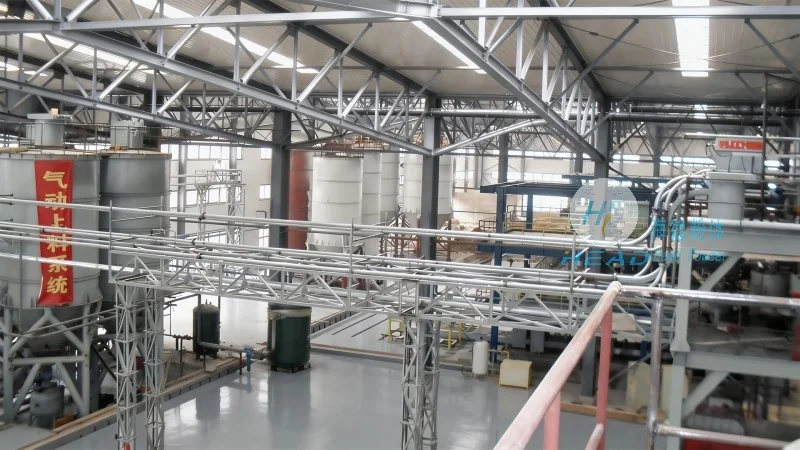
Key Advantages and Practical Applications in Cement Production
Implementing a pneumatic conveying system for cement auxiliary powders offers several significant advantages over traditional handling methods. One of the primary benefits is the reduction in dust generation, which improves workplace safety and environmental compliance. Unlike belt conveyors or bucket elevators, pneumatic systems operate in a closed loop, containing dust within the system and preventing it from escaping into the environment. This not only enhances safety but also reduces the need for additional dust control measures. Another advantage is the flexibility in system layout. Pneumatic conveying systems can be easily reconfigured or expanded to accommodate changes in production requirements or facility expansions. The ability to transport materials over long distances without the need for multiple transfer points makes them ideal for large-scale cement plants. Additionally, the systems are relatively low maintenance, with fewer moving parts compared to mechanical conveyors, leading to lower operational costs and longer service life. In practical applications, these systems are used to transport various cement auxiliary powders, including limestone, gypsum, and fly ash, from storage silos to mixing and grinding units. The consistent and controlled flow of materials ensures that the cement production process remains stable and efficient, contributing to higher product quality and reduced downtime.