

Operation Process and Working Principle of a Pneumatic Conveying System for Edible Salt Materials
Shandong HeadPowder Engineering Co., Ltd. specializes in the design and implementation of advanced pneumatic conveying systems tailored for the transportation of edible salt. These systems represent a critical component in modern food processing and material handling, offering efficient, hygienic, and reliable solutions for moving bulk salt from storage to processing or packaging areas. The following sections detail the operational process and underlying principles that make such systems effective for edible salt applications.
Key Components of the Pneumatic Conveying System
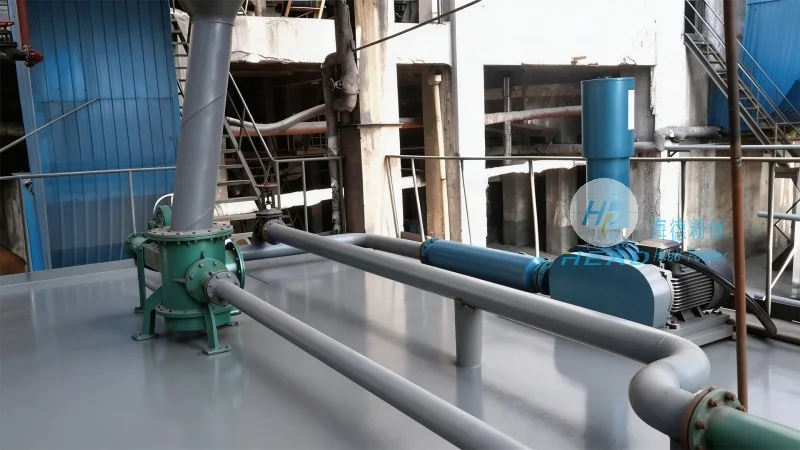
The pneumatic conveying system for edible salt typically consists of several core components that work in tandem to ensure smooth material transport. These include a hopper or storage silo for salt storage, a feeder mechanism to control the flow rate, a conveying line (often made of stainless steel to maintain hygiene standards), a fan or blower to generate the necessary air pressure, and a receiver or discharge point where the salt is deposited. Each component is selected with considerations for material compatibility, durability, and compliance with food safety regulations. The system may also incorporate features like air filtration and moisture control to preserve the quality of the edible salt during transport.
Operation Process: Step-by-Step Execution
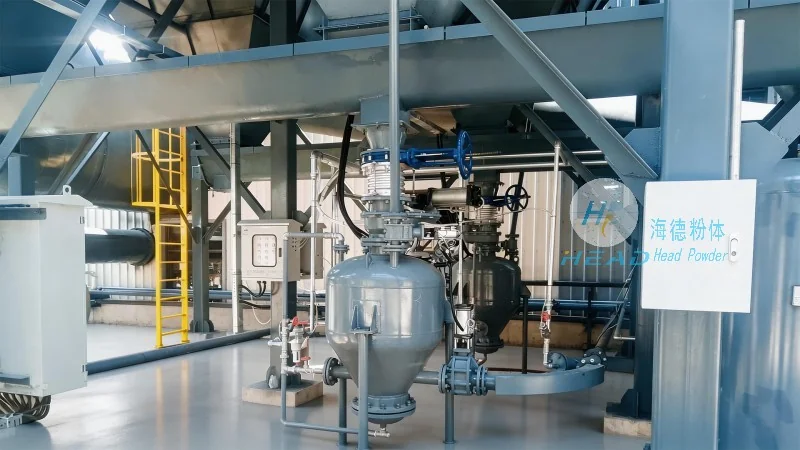
The operation of the pneumatic conveying system for edible salt follows a systematic sequence that ensures consistent and efficient material movement. The process begins with the loading of salt into the storage hopper. The feeder then regulates the flow of salt into the conveying line, ensuring a steady supply without overloading the system. Simultaneously, the fan or blower generates a flow of air through the conveying line, creating a pressure differential that propels the salt particles forward. As the salt travels through the line, it is suspended in the air stream and transported to the receiver. The receiver is designed to separate the salt from the air, typically through a cyclone or filtration system, and collects the salt in a container or directly into the next processing stage. The system may include a feedback mechanism to adjust the air flow or feeder speed based on real-time conditions, optimizing performance and preventing system overload or material blockages.
Working Principle: Fluidization and Particle Transport
The core working principle of the pneumatic conveying system relies on the concept of fluidization, where the salt particles are suspended in the air stream, behaving like a fluid. This is achieved by maintaining an appropriate air velocity within the conveying line. The fan or blower provides the necessary pressure to move the air, and the feeder controls the rate at which salt is introduced. The interaction between the air flow and the salt particles creates a dynamic environment where the particles are carried along the line without settling. The system’s efficiency depends on balancing the air velocity with the particle size and density of the edible salt. For fine or granular salt, higher air velocities may be required to maintain suspension, while larger particles may need lower velocities to prevent wear on the system components. The design of the conveying line, including bends and transitions, is also critical to minimize pressure losses and maintain consistent flow.
Advantages and Applications in Edible Salt Handling
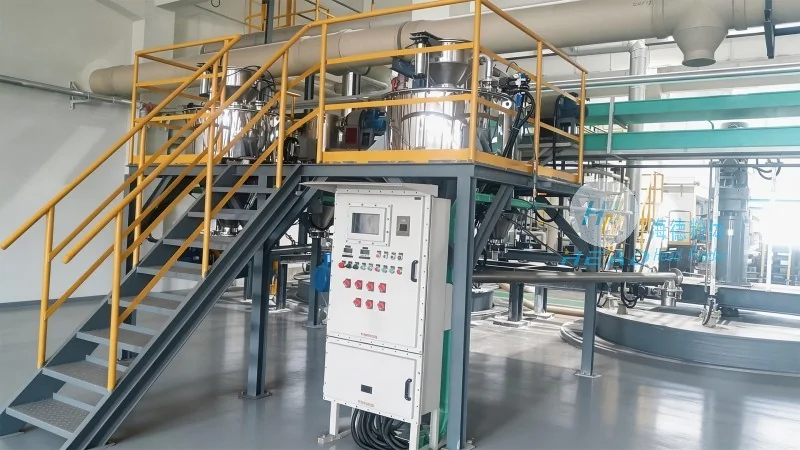
Pneumatic conveying systems offer several advantages for the handling of edible salt, making them a preferred choice in food processing industries. These include high efficiency in moving large volumes of material over relatively short or long distances, minimal product degradation due to gentle handling, and the ability to maintain a clean and hygienic environment, which is essential for food-grade applications. The systems are also flexible, allowing for integration with existing processing lines and easy adaptation to changes in production volume. In edible salt processing, these systems are commonly used to transport salt from bulk storage to mixing, packing, or packaging units, ensuring a continuous and uninterrupted supply of raw material. The reliability of the system, with proper maintenance and monitoring, contributes to reduced downtime and increased overall productivity in salt processing operations.