

Operation Process and Working Principle of Bauxite Material Pneumatic Conveying System
Bauxite, a primary raw material for aluminum production, requires efficient and reliable material handling solutions to ensure smooth industrial operations. The pneumatic conveying system for bauxite material, developed by Shandong HeadPowder Engineering Co., Ltd., is a sophisticated technology designed to transport bauxite efficiently from storage to processing units. This system combines advanced engineering principles with robust construction to meet the demanding requirements of bauxite processing industries.
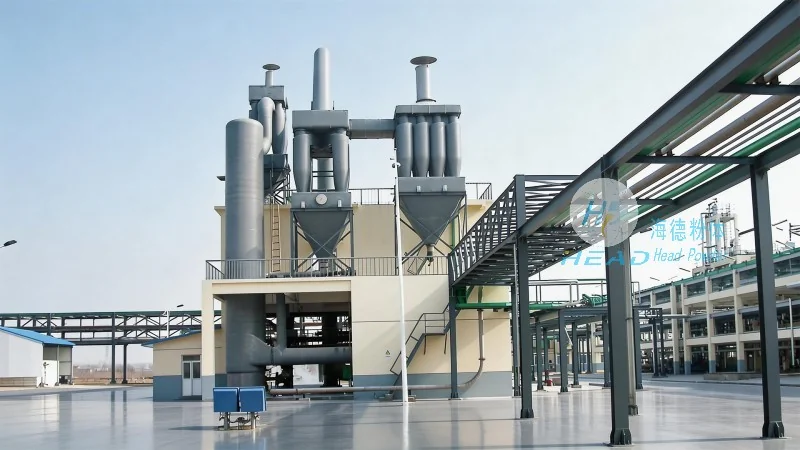
Working Principle of the Bauxite Pneumatic Conveying System
The core of the bauxite pneumatic conveying system is the air flow mechanism that propels the material through a network of pipes. The system operates on the principle of differential pressure, where compressed air or gas is used to create a pressure differential that moves the bauxite particles. The process typically involves a feeding hopper that introduces the bauxite into the system, followed by a series of pipes and valves that direct the material to the destination. The air flow is controlled by a blower or compressor, which maintains the necessary pressure to ensure consistent material transport. The system may also include components such as cyclones or filters to separate the air from the material at the receiving end, ensuring clean and efficient operation.
Key Components and Their Functions
The bauxite pneumatic conveying system consists of several critical components, each playing a vital role in the overall operation. The feeding hopper is responsible for storing and feeding the bauxite into the system, ensuring a steady supply of material. The blower or compressor provides the necessary air pressure to move the material through the pipes. The pipeline network connects the feeding point to the receiving point, with appropriate fittings and valves to control the flow direction and pressure. At the receiving end, a separator or filter is used to separate the bauxite from the air, allowing the material to be discharged into the processing unit. The control system, which may include sensors and automation equipment, monitors the pressure, flow rate, and other parameters to ensure optimal performance and prevent system failures.
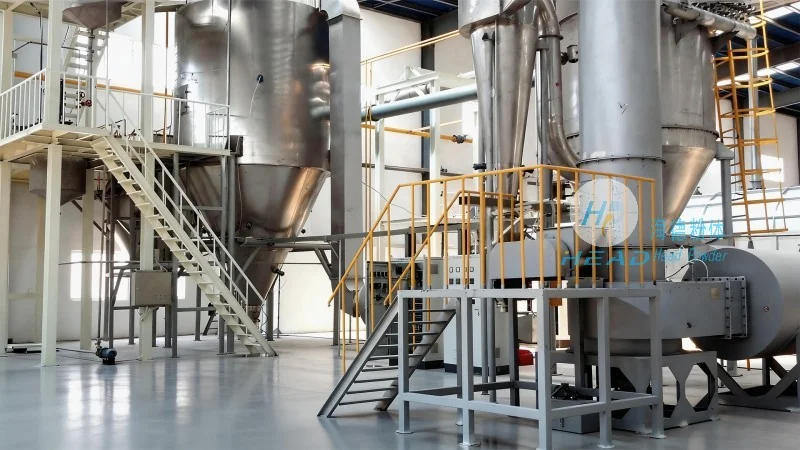
Operation Process of the Bauxite Pneumatic Conveying System
The operation of the bauxite pneumatic conveying system follows a systematic process that ensures efficient material transport. The process begins with the loading of bauxite into the feeding hopper. The hopper is equipped with a feeder that controls the rate of material discharge, preventing overloading or underloading of the system. The feeder then introduces the bauxite into the pipeline, where it is mixed with the air from the blower. The air flow creates a pressure differential that propels the bauxite particles through the pipes. The material travels through the pipeline network, which may include bends, elbows, and other fittings, to reach the receiving hopper or processing unit. At the receiving end, the separator separates the bauxite from the air, and the material is discharged into the next stage of processing. The control system continuously monitors the system parameters, adjusting the air flow rate as needed to maintain consistent material transport. The system may also include safety features such as pressure relief valves and emergency shut-off mechanisms to prevent accidents and ensure safe operation.
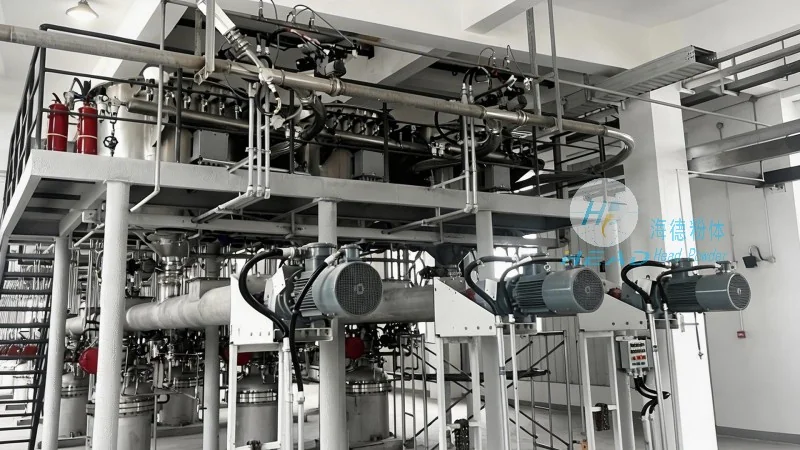
Advantages of the Bauxite Pneumatic Conveying System
The bauxite pneumatic conveying system offers several advantages over traditional material handling methods. One of the key advantages is the ability to transport bauxite in a dust-free environment, which reduces the risk of dust exposure and improves workplace safety. The system also provides a continuous and uniform flow of material, which enhances the efficiency of the processing units. Additionally, the system is compact and can be installed in confined spaces, making it suitable for various industrial settings. The use of pneumatic conveying reduces the need for manual handling, which minimizes the risk of injury and improves overall operational efficiency. The system also offers flexibility in terms of material transport, as it can be easily adjusted to handle different bauxite particle sizes and flow rates. The advanced control system ensures that the system operates at optimal performance, reducing energy consumption and maintenance costs.
Application and Industrial Impact
The bauxite pneumatic conveying system is widely used in the aluminum industry, where bauxite is the primary raw material for aluminum production. The system is also used in other industries that require the transport of bulk materials, such as mining and chemical processing. The system's ability to handle large volumes of bauxite efficiently has a significant impact on the overall productivity of the industrial processes. By ensuring a steady supply of bauxite to the processing units, the system helps to maintain the continuity of production and reduce downtime. The system's reliability and efficiency also contribute to cost savings, as it reduces the need for manual labor and minimizes material loss. The use of the bauxite pneumatic conveying system by Shandong HeadPowder Engineering Co., Ltd. has helped to improve the operational efficiency of many aluminum plants, leading to increased productivity and reduced costs.