

Operation Process and Working Principle of Pearl Sand Material Pneumatic Conveying System
HeadPowder, a leading engineering firm based in Shandong, China, specializes in the design and implementation of advanced pneumatic conveying systems for various industrial applications. This article provides a detailed overview of the operation process and working principle of a pearl sand material pneumatic conveying system, highlighting the technical aspects and practical applications that define its efficiency and reliability.
Understanding the Working Principle of Pneumatic Conveying Systems
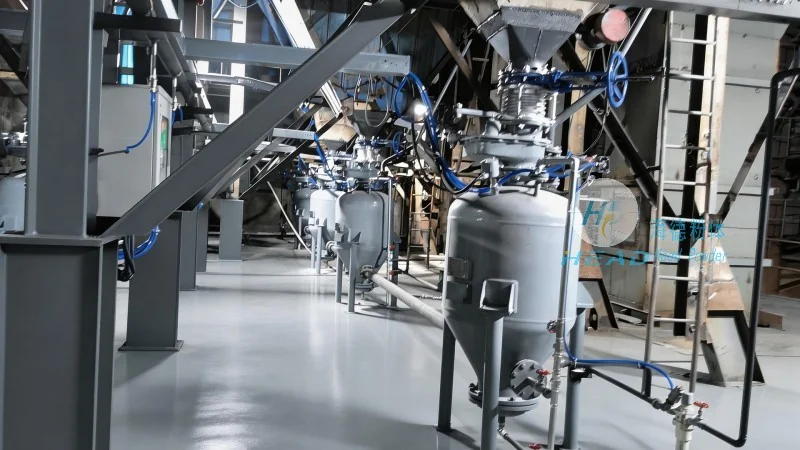
Pneumatic conveying systems utilize air or gas as the primary medium to transport bulk materials, such as pearl sand, over long distances or within complex industrial setups. The core principle involves creating a pressure differential between the conveying line and the surrounding environment, which propels the material through the system. There are two main types of pneumatic conveying: positive pressure and negative pressure systems. Positive pressure systems operate by blowing air into the conveying line, while negative pressure systems create a vacuum to draw material into the line. For pearl sand, a positive pressure system is often preferred due to its ability to handle abrasive materials and maintain consistent flow rates.
The Step-by-Step Operation Process of the System
The operation of a pearl sand pneumatic conveying system involves several key stages, each designed to ensure efficient material transport from the source to the destination. The process begins with the loading of the pearl sand into the hopper or storage silo. A rotary valve or feeder then controls the flow of material into the conveying line, ensuring a steady and controlled feed. Simultaneously, a blower or compressor generates the necessary air pressure to move the material. The air and material mixture travels through the pipeline, where the velocity and pressure are carefully managed to prevent blockages or material degradation. At the receiving end, a cyclone separator or filter separates the air from the sand, allowing the sand to be discharged into the target container or processing unit. The air is then either recirculated or vented, depending on the system design.
Key Components and Their Roles in the System
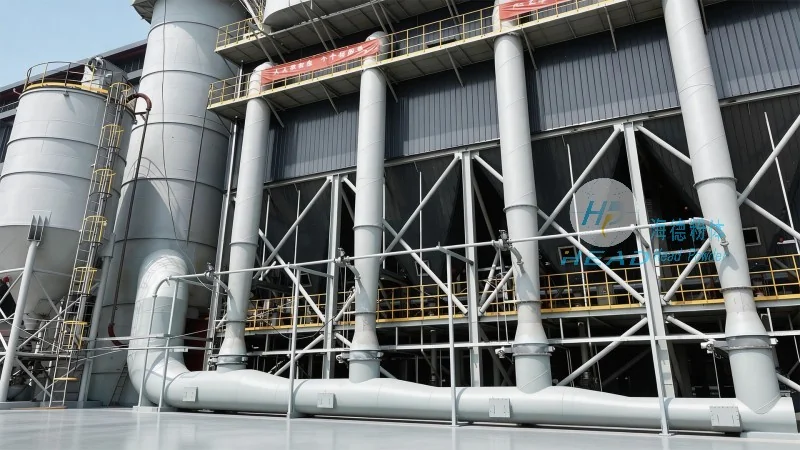
Several critical components work in tandem to ensure the smooth operation of the pneumatic conveying system. The hopper or storage silo serves as the initial material reservoir, providing a consistent supply of pearl sand. The feeder, typically a rotary valve or screw feeder, regulates the material flow rate, preventing overloading or underloading of the system. The blower or compressor is the power source, generating the air pressure required to transport the material. The conveying pipeline, often made of stainless steel or other corrosion-resistant materials, ensures durability and minimal material loss. The cyclone separator or filter at the receiving end is crucial for separating the air and material, maintaining system efficiency and preventing dust emissions. Additionally, control systems, including pressure sensors and flow meters, monitor the system's performance in real-time, allowing for adjustments to maintain optimal operation.
Advantages and Applications of Pearl Sand Pneumatic Conveying Systems
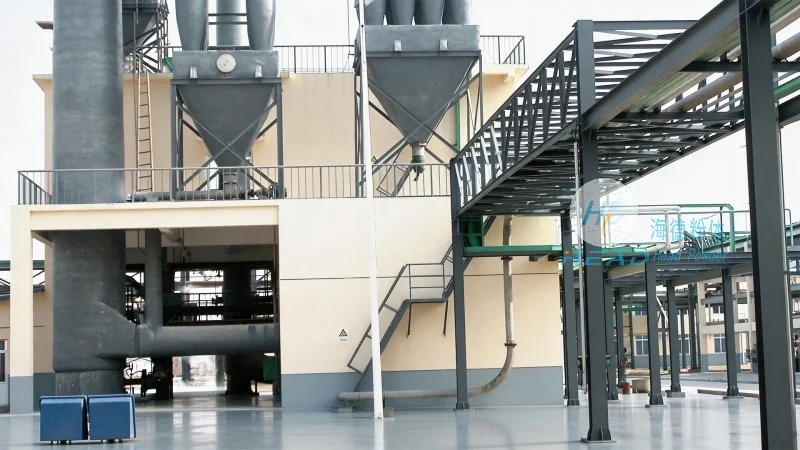
The use of pneumatic conveying systems for pearl sand offers several advantages over traditional methods, such as belt conveyors or bucket elevators. These systems are highly efficient, capable of transporting materials over long distances with minimal energy consumption. They also provide a dust-free environment, reducing health hazards and improving workplace safety. The flexibility of pneumatic systems allows for easy integration into existing industrial setups, adapting to various production requirements. HeadPowder's expertise in designing customized pneumatic conveying solutions ensures that clients can optimize their material handling processes, enhancing productivity and reducing operational costs. The systems are widely used in industries such as foundries, ceramics, and pharmaceuticals, where the handling of fine or abrasive materials is critical.
Conclusion and Company Overview
HeadPowder Engineering Co., Ltd., with its headquarters in Shandong, China, has established itself as a trusted provider of advanced material handling solutions. By leveraging years of experience and technical expertise, the company designs and implements pneumatic conveying systems tailored to the specific needs of its clients. The operation process and working principle of the pearl sand material pneumatic conveying system exemplify the company's commitment to innovation and efficiency. Through continuous improvement and adherence to industry standards, HeadPowder ensures that its systems deliver reliable performance, contributing to the success of its clients' operations.