

Operation Process and Working Principle of Rare Earth Powder Material Pneumatic Conveying System
HeadPowder, a leading engineering firm based in Shandong, China, specializes in the design, manufacturing, and installation of advanced pneumatic conveying systems tailored for handling rare earth powder materials. This article provides a detailed overview of the operation process and working principles of such systems, highlighting the technical aspects and operational efficiency that define modern rare earth powder handling solutions.
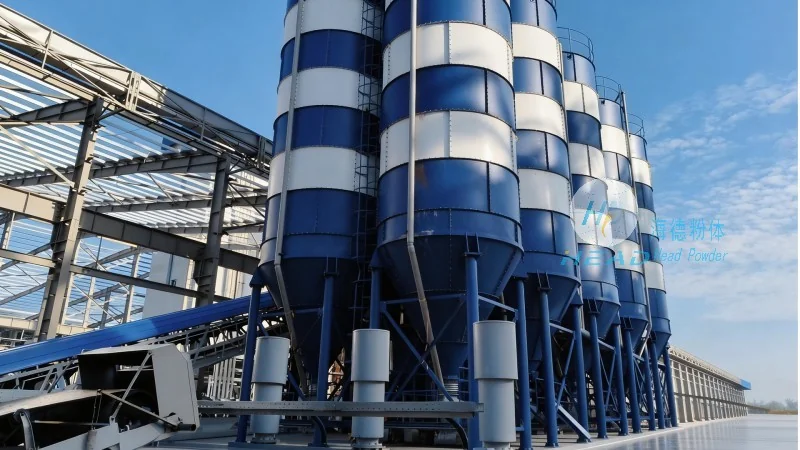
Overview of Rare Earth Powder Pneumatic Conveying Systems
Rare earth powders, such as neodymium, praseodymium, and cerium oxides, are critical components in various high-tech industries, including electronics, automotive, and renewable energy. Handling these materials efficiently and safely is essential to maintain product quality and operational productivity. Pneumatic conveying systems offer a non-contact, low-damage method for transporting rare earth powders over long distances or within complex processing facilities. These systems utilize compressed air or other gases to move the powder through a network of pipes, ensuring minimal degradation of the material and reducing the risk of contamination or dust exposure.
Key Components of the Pneumatic Conveying System
The core components of a rare earth powder pneumatic conveying system include the material hopper, feeder, air compressor, conveying line, and discharge equipment. Each component plays a crucial role in the system's performance and reliability. The material hopper stores the rare earth powder and provides a consistent feed to the feeder. The feeder, typically a rotary valve or a screw feeder, controls the flow rate of the powder into the conveying line. The air compressor generates the necessary pressure and volume of air to propel the powder through the system. The conveying line, made of stainless steel or other corrosion-resistant materials, ensures the powder is transported efficiently without clogging or degradation. Finally, the discharge equipment, such as a rotary valve or a filter, collects the powder at the destination point and prevents air leakage.
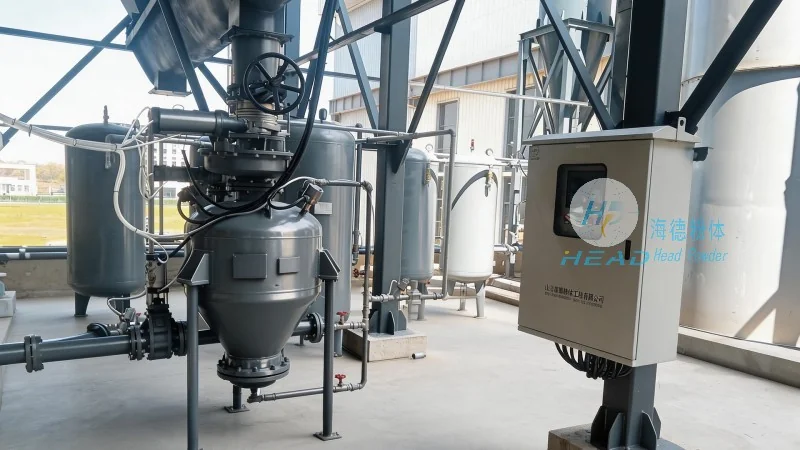
Working Principle of the Pneumatic Conveying Process
The operation of a rare earth powder pneumatic conveying system follows a sequential process that ensures smooth and continuous material transport. The process begins with the material being loaded into the hopper. The feeder then regulates the flow rate of powder into the conveying line. Simultaneously, the air compressor supplies compressed air to the system, creating a pressure differential between the hopper and the discharge point. As the air flows through the conveying line, it entrains the rare earth powder particles, forming a dense or dilute phase flow. The flow rate and pressure are carefully controlled to maintain optimal conveying efficiency, minimizing energy consumption and preventing material degradation. The powder is then transported to the discharge point, where the air is separated from the powder using a filter or cyclone separator. The separated powder is collected in a container, while the air is either recirculated or vented to the atmosphere.
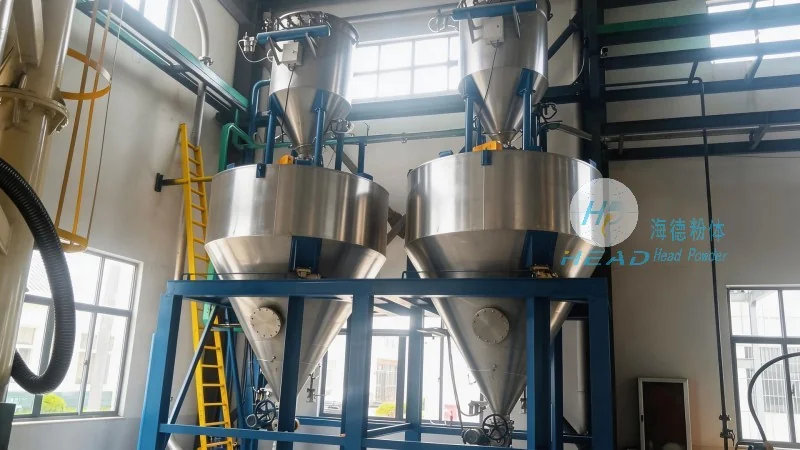
Operation Process and System Performance
The operation process of a rare earth powder pneumatic conveying system involves several key steps that ensure consistent performance and reliability. First, the system is started by activating the air compressor and the feeder. The hopper is filled with the rare earth powder, and the feeder adjusts the flow rate based on the system's requirements. The compressed air is then introduced into the conveying line, creating the necessary pressure to move the powder. The system monitors the pressure and flow rates to ensure optimal operation. During operation, the system continuously transports the powder from the source to the destination, maintaining a stable flow rate. If any issues arise, such as clogging or pressure drop, the system's control panel triggers alarms or automatic shutdowns to prevent damage to the equipment or material. The system's performance is evaluated based on factors like conveying capacity, energy efficiency, and material quality. Regular maintenance, including cleaning the conveying line and replacing worn components, is essential to maintain the system's efficiency and longevity.
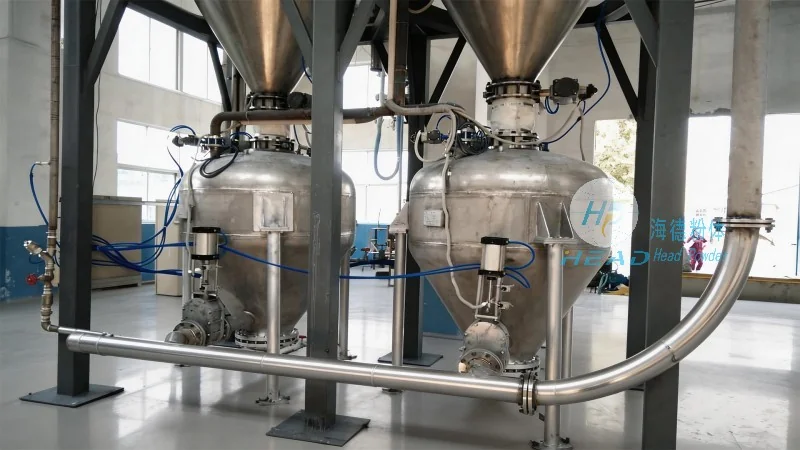
Advantages of Using Pneumatic Conveying for Rare Earth Powders
Pneumatic conveying systems offer several advantages over traditional bulk handling methods for rare earth powders. These include non-contact handling, which minimizes material degradation and contamination. The system also reduces labor costs by automating the material transport process and improving operational efficiency. Additionally, pneumatic conveying systems can handle materials with varying particle sizes and moisture content, making them versatile for different applications. The use of stainless steel or other corrosion-resistant materials ensures the system's durability and resistance to the chemical properties of rare earth powders. Overall, pneumatic conveying systems provide a safe, efficient, and cost-effective solution for transporting rare earth powders in industrial settings.
Conclusion
HeadPowder's expertise in designing and implementing rare earth powder pneumatic conveying systems ensures that industrial facilities can handle these critical materials with precision and reliability. By understanding the operation process and working principles of such systems, companies can optimize their material handling processes, improve product quality, and enhance overall operational efficiency. The combination of advanced engineering, quality materials, and rigorous maintenance practices makes pneumatic conveying an ideal solution for the modern handling of rare earth powders.